 WhatsApp Us Now
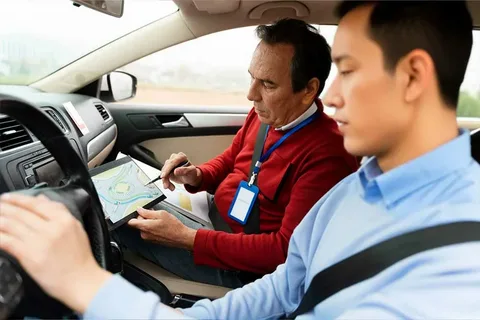
Learning to drive is an important milestone, but choosing the right driving school can be just as important as learning how to control the vehicle. For learners in Lancashire, the quality of instruction, lesson structure, vehicle choice, and local road experience can all influence how confidently a new driver progresses.
For anyone researching a driving school Blackburn learners can rely on, it is useful to look beyond lesson prices alone. A good driving education should develop safe decision-making, hazard awareness, vehicle control, and confidence across different road environmen
Whether someone is preparing for their first lesson or changing instructors after a disappointing experience, understanding what makes effective driving tuition can help them make a more informed decision.
Top 3 Driving Schools in Blackburn: A Simple Guide for Learners
Learning to drive is an important step toward independence, but choosing the right driving school can make the process much easier. If you are searching for a driving school Blackburn, it is worth comparing your options, considering instructor experience, lesson flexibility, vehicle choices, and learner reviews.
Top 3 Driving School Options in Blackburn
1. Smart Driving School
Smart Driving School is a local option for learners looking for professional driving lessons in the Blackburn area. The school focuses on helping learners develop practical driving skills and confidence through structured lessons.
Whether you are a complete beginner or have already had some driving experience, choosing lessons that match your current ability can help you progress more effectively.
For learners searching online for a driving school Blackburn, Smart Driving School can be considered when comparing local driving lesson options.
Website: Smart Driving School
5 Tips for Choosing the Right Driving Instructor
1. Check Their Qualifications
One of the first things to check is whether the instructor is properly qualified to provide professional driving lessons. A qualified instructor should be able to explain their experience and teaching approach clearly.
2. Ask About Lesson Prices
Driving lesson prices can vary between instructors and schools. Before booking, ask about the standard lesson price, lesson duration, introductory offers, and whether block-booking discounts are available.
Remember that the cheapest option is not always the best option. The quality of instruction should also be considered.
3. Choose an Instructor Who Communicates Clearly
A good instructor should explain manoeuvres, road signs, traffic situations, and driving techniques in a way that you understand.
If an instructor is patient and willing to answer questions, you may feel more comfortable making mistakes and learning from them.
4. Look for Flexible Lesson Times
Your driving lessons need to fit around your work, school, college, or other commitments. Ask whether the instructor offers morning, afternoon, evening, or weekend lessons.
Flexible scheduling can make it easier to maintain regular lessons and build your skills consistently.
5. Consider Your Learning Style
Every learner is different. Some people need more time to practise manoeuvres, while others may need additional experience with busy roads, roundabouts, parking, or dual carriageways.
What Should You Look for in a Driving School?
Not all driving lessons are delivered in the same way. A qualified instructor should adapt teaching methods to the learner rather than simply following a fixed lesson routine.
Several factors are worth considering before booking lessons.
1. Qualified and Professional Instructors
A professional driving instructor should have the appropriate qualifications and demonstrate a clear understanding of road safety and teaching techniques.
Learners should feel comfortable asking questions and making mistakes during lessons. Driving can initially feel overwhelming, so an instructor who explains mistakes constructively can help students develop better habits.
Important qualities include:
- Clear communication
- Patience and professionalism
- Knowledge of current driving standards
- Ability to adapt lessons to different learning speeds
- Strong understanding of road safety
- Constructive feedback after practical exercises
The relationship between learner and instructor can have a significant impact on progress. A supportive learning environment often makes it easier for students to identify weaknesses and work systematically on them.
Why Local Road Knowledge Matters in Blackburn
One advantage of learning with an instructor who understands the local area is exposure to a variety of realistic driving situations.
Blackburn and surrounding parts of Lancashire include residential streets, busier urban roads, roundabouts, junctions, parked vehicles, pedestrian areas, and routes connecting nearby communities. Learners may encounter very different conditions within a single lesson.
Local driving experience can help learners practise:
- Busy junctions
- Multi-lane roundabouts
- Narrow residential streets
- Parking near other vehicles
- Pedestrian crossings
- Speed-limit changes
- Rural and urban roads
- Traffic during peak periods
This type of practical experience is particularly valuable because passing a driving test is only one stage of becoming a safe driver.
A learner who understands how to identify hazards and make appropriate decisions is better prepared for independent driving after obtaining a licence.
Current Trends in Driver Education
Driving education is changing as vehicles, technology, and learner expectations evolve. One noticeable trend is the growing interest in automatic vehicles.
Automatic cars can simplify certain aspects of vehicle control because the driver does not need to operate a traditional clutch and manual gear system. However, automatic driving still requires strong observation, positioning, speed management, and hazard awareness.
Technology is also becoming increasingly relevant to driver education. Modern vehicles may include features such as:
- Parking sensors
- Reversing cameras
- Lane-departure warnings
- Adaptive cruise control
- Emergency braking systems
- Blind-spot monitoring
These systems can provide useful assistance, but learners should not become dependent on them. A driver must still understand the road environment and remain responsible for decisions behind the wheel.
Another important trend is greater emphasis on hazard perception and defensive driving. Rather than teaching learners simply to complete manoeuvres, effective instruction increasingly focuses on anticipating what other road users might do.
Common Challenges Faced by New Drivers
Learning to drive is rarely a completely smooth process. Different learners experience different difficulties, and recognising these challenges early can make training more productive.
Lack of Confidence
Some learners understand the theory but become nervous when driving in busy traffic. This can affect concentration and decision-making.
A useful approach is gradual exposure. Lessons can begin with quieter roads before progressing towards more complex traffic environments.
Difficulty With Junctions
Junctions require observation, timing, speed control, and awareness of other road users. Learners often struggle because several decisions have to be made simultaneously.
Instructors can help by breaking the process into smaller steps:
- Approach at an appropriate speed.
- Observe signs and road markings.
- Check relevant directions carefully.
- Assess the actions of other road users.
- Choose a safe opportunity.
- Complete the manoeuvre while maintaining control.
Repeated practice can gradually turn these steps into a more natural driving routine.
Parking and Manoeuvres
Reverse parking, bay parking, and other manoeuvres can initially appear complicated. Rather than memorising a rigid sequence, learners should understand vehicle positioning and observation.
This becomes particularly important when real-world conditions differ from those encountered during practice.
How to Make Driving Lessons More Effective
Learners can improve their progress by taking an active role in their training. Driving lessons should not be treated simply as time spent behind the wheel; they are opportunities to identify and correct specific weaknesses.
Before each lesson, it can help to identify one or two areas that require attention.
For example:
- Junction planning
- Roundabout positioning
- Speed control
- Parking
- Mirror use
- Independent driving
- Hazard awareness
After a lesson, learners should consider what went well and what needs further practice.
Keeping simple notes can also help identify recurring problems. If the same mistake appears several times, discussing it directly with the instructor can lead to a more focused training plan.
A useful learner checklist includes:
Before driving:
Check mirrors, seat position, steering position, and controls.
During driving:
Maintain observation, appropriate speed, safe following distances, and awareness of vulnerable road users.
After driving:
Review mistakes, identify improvements, and decide what should be practised next.
This approach encourages learners to become more responsible for their own development.
Choosing Between Manual and Automatic Lessons
The decision between manual and automatic driving lessons depends on individual circumstances.
Manual vehicles provide experience with clutch control and gear changes and may be suitable for learners who want broader vehicle-driving experience.
Automatic vehicles can reduce the workload associated with gear changes and clutch operation. This can allow some learners to focus more heavily on observation, road positioning, and traffic awareness.
Neither option removes the need for proper driver training. A learner still needs to understand road signs, speed limits, junction priorities, hazard perception, parking, and defensive driving.
The most suitable option depends on the learner’s goals, confidence, preferred vehicle type, and future driving requirements.
The Importance of Preparing Beyond the Driving Test
A practical driving test measures a learner’s ability to demonstrate required driving standards under examination conditions. However, safe driving should continue to develop after the test.
New drivers often face unfamiliar situations once they begin driving independently, including:
- Driving at night
- Heavy rain
- Motorway journeys
- Unfamiliar routes
- Busy parking areas
- Long-distance driving
- Dealing with unexpected hazards
For this reason, good driving education should develop transferable skills rather than focusing exclusively on test routes.
Local providers such as Street Smart Driving School can be one example of how structured tuition can help learners develop experience across different road environments in Lancashire.
The key objective should remain the same: developing drivers who can make safe, responsible decisions without constant instructor assistance.
Practical Tips for Learners in Blackburn
Anyone beginning driving lessons can improve their learning experience by following a few simple principles:
- Practise consistently: Regular lessons can help maintain continuity.
- Ask questions: If something is unclear, ask the instructor to explain it differently.
- Review mistakes: Errors provide useful information about areas requiring improvement.
- Build experience gradually: Move from quieter roads to more demanding environments as confidence improves.
- Develop observation skills: Look beyond the immediate vehicle ahead and anticipate potential hazards.
- Learn road rules properly: Understanding why a rule exists is often more useful than memorising it.
- Avoid rushing the process: Learners progress at different speeds.
These habits can make lessons more productive while helping learners become more independent thinkers on the road.
Conclusion
Choosing a driving school Blackburn learners can trust involves more than comparing lesson costs. Instructor qualifications, teaching style, local road knowledge, vehicle type, lesson structure, and the ability to develop real-world driving skills should all be considered.

