 WhatsApp Us Now

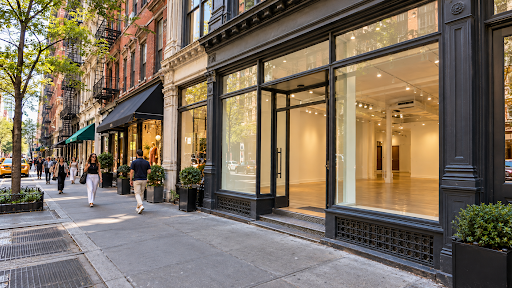
Choosing retail space in Manhattan? Compare customer fit, storefront visibility, layout, running costs, and daily access before committing to a location.
Choosing a retail location in Manhattan means thinking about what happens inside and outside your store. Your products, prices, customers, and opening hours all influence which space will suit your business. A storefront that works well for a clothing shop may be a poor match for a specialty food retailer or an appointment-based showroom.
When reviewing commercial spaces in Manhattan, start with the connection between the property and your customers. A polished entrance or a busy sidewalk may catch your attention, but neither tells you whether shoppers will enter, stay, and return. The location should support the buying experience you want to offer.
A useful search begins with clear priorities. Decide how much selling space you need, what you can spend, and which features your operation cannot do without. These details give you a practical way to compare listings and avoid choosing a property simply because it looks attractive during a short visit.
Understand Who Will Visit Your Store
Your target customer should guide your location search. Think about where these customers spend time, how they travel, and when they are likely to shop. A business serving nearby office workers may depend on weekday activity, while a destination retailer may draw customers who plan their visit in advance.
Local guidance through commercial brokerage services can help narrow your search around those needs. Share details about your products, customer profile, and expected trading hours. A clear business description makes it easier to discuss whether a storefront and its surroundings deserve further attention.
Consider how customers make purchases in your category. Some people buy quickly while passing a window. Others need time to compare products, speak with staff, or collect an order. Your property should support those habits through its location, entrance, layout, and access. Customer convenience belongs near the top of your checklist.
Judge Foot Traffic by Quality and Timing
High pedestrian activity can be useful, but the number of people passing a store does not explain their buying intent. Watch whether pedestrians are shopping, commuting, sightseeing, or moving between appointments. The most useful traffic is activity that matches your business and occurs during the hours you plan to trade.
Visit each shortlisted property more than once. Observe it during a weekday morning, lunchtime, evening, and weekend if those periods matter to your business. Write down what you see rather than relying on memory. A street that feels crowded during one visit may be quiet during your main selling hours.
Look at how people move along the block. Do they walk beside the storefront, cross before reaching it, or gather near another entrance? Street works, loading activity, and crowded pavement can change the approach. These observations will not forecast revenue, but they can help explain how visible and convenient the location really is.
Review the Storefront and Customer Entrance
Your storefront introduces the business before a customer steps inside. Check whether the windows allow a clear view of your products and whether the entrance is easy to identify. A deep doorway, poor lighting, or an awkward approach may make an otherwise suitable property harder for customers to notice.
Consider Display Space
Imagine how your first product display would look from the sidewalk. Check window width, interior sightlines, and the position of fixed features. Large windows are useful only if the space behind them supports an effective display. Columns, steps, equipment, or interior walls may limit how much of the store people can see.
Ask what changes you would be permitted to make to signs, lighting, doors, and exterior finishes. Request clear answers before including those changes in your plans. A storefront may need less work than expected, or it may require more preparation than your budget allows. Either outcome should be understood before you move forward.
Plan the Layout Around Shopping and Storage
A store needs enough room for customers to browse without blocking staff or other shoppers. Map the route from the entrance to the main displays and payment area. Consider where people might stop, turn around, or wait. A crowded route can make a space feel smaller than its advertised floor area suggests.
Storage also deserves attention. Stock placed in selling areas can interrupt the customer experience, while insufficient backroom space may require more frequent deliveries. Estimate the amount of inventory you expect to hold and how staff will move it. Include packing materials, returns, cleaning supplies, and seasonal stock in those calculations.
Measure the space rather than judging it by appearance. Prepare a basic furniture and display plan with realistic dimensions. Account for fixed columns, doors, and shared access points. A slightly smaller unit with a practical shape may serve your business better than a larger property with areas you cannot use effectively.
Calculate Costs Beyond the Asking Rent
A retail budget should cover the full cost of occupying and preparing the property. Ask for a written breakdown of rent and other proposed charges. Clarify which services are included and which your business must arrange separately. Consistent information makes comparisons more useful than placing asking rents side by side.
Separate Opening and Running Costs
Opening costs may include decorating, fixtures, counters, equipment, stock, and moving. Running costs may include utilities, cleaning, insurance, waste collection, and routine upkeep. Keep these categories separate so you can see how much cash you need before opening and how much the location may cost each month.
Use a realistic sales estimate when deciding what you can afford. Leave room for slower periods and unexpected expenses. A property should not depend on your strongest possible trading performance to remain manageable. If the financial plan only works when every assumption goes well, review the space, budget, or opening plans again.
Check Deliveries and Everyday Building Operations
A store that looks convenient from the pavement may be difficult to supply. Ask where deliveries arrive, which entrance they use, and whether there are restrictions on timing. Check how boxes or equipment would reach the unit. Difficult delivery arrangements can consume staff time and interrupt customer service.
Talk through normal building operations with the owner or representative. Find out how maintenance requests are reported and how access works outside standard hours. Ask about waste storage, shared areas, and any services your business expects to use. Clear arrangements help you understand the daily experience of occupying the property.
Consider what happens when the store is busy. Staff may need to receive stock, manage a queue, pack online orders, and help shoppers at the same time. Walk through those tasks in the proposed space. This exercise often reveals practical concerns that are easy to miss when viewing an empty unit.
Conclusion: Choose a Retail Space That Fits the Business
The right retail property should support your customers, staff, stock, and budget together. A strong address can help, but the details of the storefront, layout, deliveries, and operating costs shape how the location performs in daily use. Compare each property against the same requirements and keep a record of unanswered questions.
In Manhattan, the character of one block can differ from the next. Give yourself time to observe, measure, and ask for written information. Jonathan Maimran’s website provides commercial property information for businesses considering local opportunities. A clear brief and a careful comparison can help you approach that search with a more realistic view of what your store needs.


