 WhatsApp Us Now
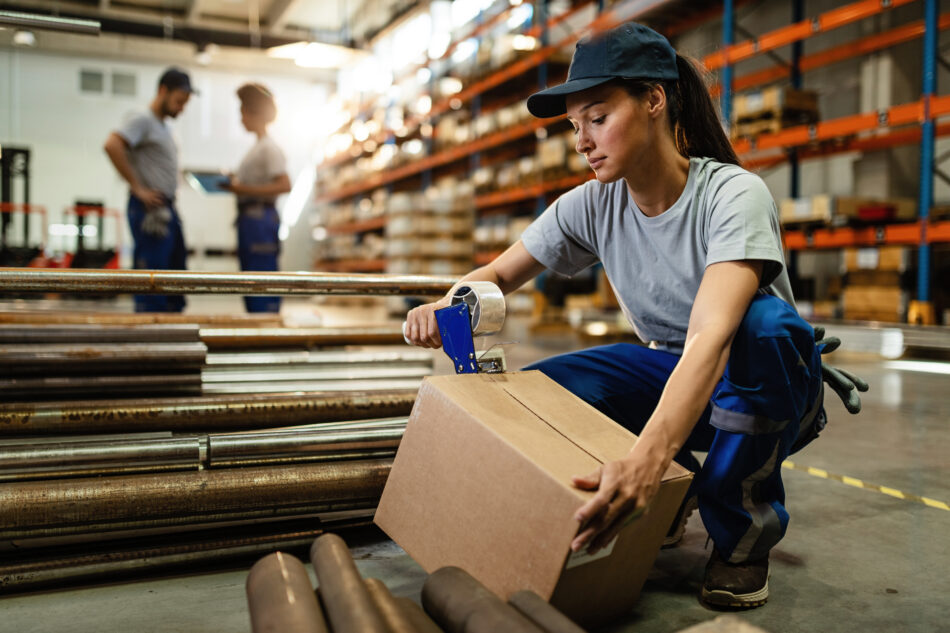
Supply chains don’t just link businesses together—they also link critical assets, and all these links must remain strong. From the suppliers of raw materials and components to last-mile logistics partners, each link along the way is essential. The industrial packaging and palletisation that fill cargo spaces and protect goods in transit have become increasingly critical to ensuring the reliability of the chain itself. Industrial packaging is no longer an add-on or afterthought. Instead, it is a stabilising factor that reduces risk and ensures that the product moves between locations, businesses and even borders.
Protects goods from all kinds of risks
Supply chains span a wide range of geographies and all kinds of transit times. They also face risks and disruptions along the way due to heat, humidity, vibration and time. Industrial packaging can have a direct role in making sure goods do not get lost during these processes. Corrugated boxes, steel drums, moisture barrier films and other options can help products travel from factories to distribution centres and on to their final destinations. The most obvious way this occurs is through the prevention of losses and damages, one of the most frequent causes of expensive supply chain disruptions.
Better standardisation and distribution operations
Packages of varying sizes, weights and material standards also introduce problems when goods must be stored, stacked and moved in bulk. A lack of standardisation can mean wasted space in a warehouse or delivery truck and make automation difficult. Industrial packaging has become more standardised so that goods of any type and size can move using the same basic dimensions. Automated forklifts, conveyor belts and robotic handling systems can also use the same equipment and speed up material handling while reducing costs.
Improves supply chain visibility with intelligent packaging
One of the most significant recent trends in logistics management is visibility. Packages must be easier to track and trace today than ever before. Smart packaging can achieve this with various tools. RFID tags, QR codes and more can be placed inside boxes and drums to track their location, environment and activity in real time. In some cases, it can even be updated to help companies avert, or at least prepare, themselves for problems.
Avoids contamination and safety risks
Hazards, including foodborne illnesses, pharmaceutical and chemical contamination, and workplace accidents, can cause entire supply chains to come to a stop. Industrial packaging that can help prevent these forms of contamination is one more way companies can control risks. Barrier materials, tamper-evident seals, and even coatings that reduce the risk of contamination can all help by using the right types of packaging for the task at hand. This is why businesses in critical industries such as food, chemicals and pharmaceuticals turn to custom packaging companies in Melbourne.
Improves environmental responsibility
Customers and stakeholders increasingly demand that a company’s environmental credentials are as reliable as its logistical capabilities. Packaging suppliers have discovered many ways they can improve their impact without adding more fragility to the process. Reusable and recyclable materials reduce the amount of waste created, and more sustainable materials and lightweight designs can also have a direct impact on logistics costs. It’s a growing priority for many supply chains to balance environmental concerns with sustainability.
Support modern warehouse operations
Warehouses and fulfilment centres are relying on automation more than ever. Industrial packaging that is built to integrate into these kinds of automation operations can make the difference in terms of error rates, equipment downtime and worker safety. Scannable surfaces and materials with standardised dimensions helps, as it is reinforced in certain areas to support automation equipment. Packaging with a more predictable form factor allows for speedier integration into modern warehousing.
Saves money by preventing loss
Supply chain disruptions are expensive in more ways than one. Obviously, having a product shipped late or not at all can damage a company’s reputation and risk not being able to offer it for sale or to customers. Industrial packaging can also be an effective way to save money by preventing product loss. Boxes, crates, and drums that don’t break, rip or burst under pressure can save companies millions of dollars each year in lost goods. When you add those up over time, the cost savings of more reliable packaging can be reinvested in other business objectives.
People play an important role in reliability
Robots and software don’t make supply chains run. People do. Packaging suppliers and businesses that take time to think about how their products and materials are handled on a day-to-day basis have a special opportunity. Ergonomic and people-friendly industrial packaging can mitigate risks for injury or congestion in handling. Many labour shortages and other forms of staffing issues that lead to disruptions are further exacerbated by cumbersome packaging.
The role of industrial packaging to improve supply chain resilience in a world of human assets and operations shouldn’t be overlooked.Industrial packaging is no longer just a vessel for transport or an accessory that helps mitigate risk across a network. If a company intends to support its logistics strategy, its packaging is going to need some level of investment attention. To remain competitive, many businesses partner with providers of custom packaging in Australia to ensure innovation and to keep pace with the need for on-time, intact deliveries.


