 WhatsApp Us Now
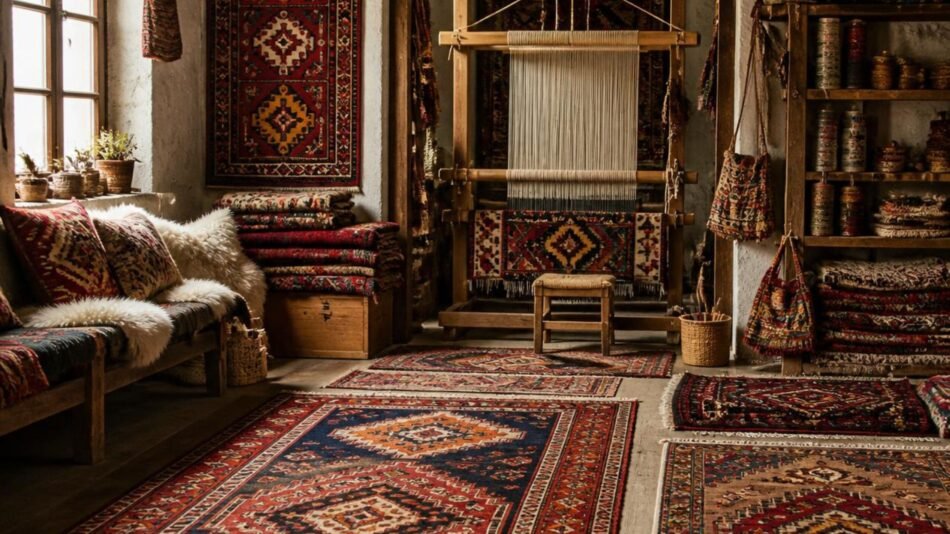
Global demand for handmade and machine-made floor coverings has grown steadily over the past decade and rug exporters India has become one of the most searched terms among international buyers looking for quality and value. India has a long history of rug weaving that goes back centuries and this heritage combined with modern manufacturing techniques has helped the country stay competitive in a crowded global market. Buyers from the United States, Europe and the Middle East continue to look toward Indian manufacturers for both traditional and contemporary designs.
In this article we will look at how Indian rug exporters are adapting to rising global demand and what factors are helping them stay ahead in the international market.
The Growing Global Appetite for Indian Rugs
Interior design trends around the world have shifted toward natural materials and handcrafted textures which has directly benefited Indian rug makers. Hand-knotted wool rugs, jute rugs and cotton dhurries are increasingly popular among homeowners and designers who want pieces that feel authentic rather than mass produced.
This growing interest has pushed many exporters to expand their production capacity while also improving quality control processes. Buyers today expect consistency in size, color and finish especially when placing bulk orders and Indian manufacturers have had to adapt their workflows to meet these expectations.
Key Manufacturing Hubs Driving Export Growth
India’s rug industry is concentrated in a few major regions each known for a particular style or technique. Understanding these hubs helps explain why the country remains such a strong player in global rug exports.
- Bhadohi Uttar Pradesh known for hand-knotted carpets and considered the traditional heart of India’s carpet industry
- Panipat Haryana famous for machine-tufted and power-loomed rugs produced at large scale
- Jaipur Rajasthan recognized for artistic and design-forward rugs often blending classical and contemporary patterns
- Mirzapur another important center for handwoven and cotton rugs
Each of these regions contributes differently to the overall export volume and together they give India a wide product range that appeals to different markets and price points.
Technology and Quality Control in Rug Export
One of the biggest changes in recent years has been the adoption of better quality control systems across the supply chain. Many exporters now use digital tools to track orders, manage inventory and monitor production timelines which reduces delays and errors during large export orders.
Some companies have also invested in improved dyeing techniques that use eco-friendly materials, which is becoming an important factor for buyers in Europe and North America who are more conscious about sustainability. This shift toward cleaner production methods has helped Indian exporters meet stricter import regulations in several countries.
Meeting Custom and Bulk Order Requirements
International buyers often need rugs that match very specific size color and design requirements especially for hospitality projects or large retail chains. Indian exporters have become skilled at handling these custom orders because of their flexible production setups that combine handmade craftsmanship with machine assisted processes when needed.
Companies such as KS Udayog have shown how a business can balance traditional weaving methods with the scalability required for bulk international orders. This kind of flexibility is one of the reasons Indian exporters continue to win contracts against competitors from other rug producing countries.
Challenges Faced by Rug Exporters in India
Despite strong demand Indian rug exporters still face several challenges that affect their growth. Rising raw material costs particularly wool and cotton have squeezed profit margins for many manufacturers. Shipping delays and increased freight costs over recent years have also made it harder to offer competitive pricing to overseas buyers.
Labor shortages in traditional weaving hubs is another growing concern since hand knotting requires skilled artisans and younger generations are often less interested in continuing this craft. Exporters are responding by investing in training programs and in some cases blending semi automated techniques to reduce dependency on manual labor alone without compromising too much on quality.
The Role of E-Commerce in Expanding Reach
Online platforms have opened new doors for Indian rug exporters especially smaller and mid sized businesses that previously relied only on trade shows or wholesale buyers. Digital marketplaces now allow manufacturers to showcase their products directly to international customers cutting out several layers of middlemen.
This shift has also allowed exporters to gather direct feedback from customers which helps them refine designs and production based on actual market preferences rather than relying solely on assumptions or seasonal trends.
Conclusion
The global demand for rugs continues to rise and India’s exporters are adapting through better technology, improved sustainability practices and a stronger focus on customization. Regions like Bhadohi Panipat and Jaipur remain central to this growth, each contributing their own style and manufacturing strength to the industry.
Businesses such as KS Udayog reflect how Indian rug makers are combining traditional craftsmanship with modern export capabilities to stay competitive on a global scale. As international buyers continue to prioritize quality authenticity and reliability, rug exporters India will likely remain an important part of the global home furnishing supply chain for years to come.


