 WhatsApp Us Now
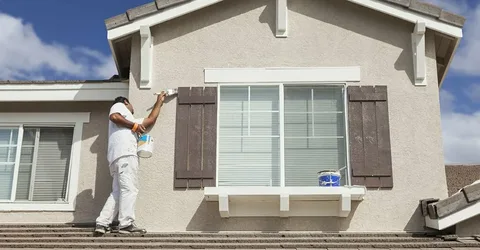
A fresh coat of paint can make a home look cleaner, brighter, and more welcoming. Whether the goal is to refresh a few rooms or improve the appearance of an entire property, the right paint can make a noticeable difference. Good preparation, quality materials, and careful application also help create a finish that lasts longer. For homeowners who want reliable results, Painting Services in Oakdale, CA can provide professional support for both interior and exterior projects.
Painting is more than simply putting color on walls. It can help protect surfaces, cover signs of wear, improve curb appeal, and create a more comfortable atmosphere inside the home. With the right approach, even an older property can gain a fresh and updated appearance.
Why Painting Services in Oakdale, CA Matter for Homeowners
Home surfaces experience regular wear over time. Interior walls can develop marks, scratches, stains, and faded areas. Exterior surfaces are exposed to sunlight, moisture, dust, and changing weather conditions. Without proper maintenance, these issues can gradually affect the overall appearance of a property.
Professional painters understand that every surface requires a different approach. Walls may need cleaning, patching, sanding, or priming before paint is applied. Exterior areas may require additional preparation to ensure the coating bonds properly with the surface.
Working with Painting Services in Oakdale, CA can also make the project easier to manage. Instead of handling preparation, material selection, painting, and cleanup alone, homeowners can have the work organized as one complete project. This can help reduce mistakes and create a more consistent finish.
Improve the Appearance of Interior Rooms
Interior painting is one of the simplest ways to change the feel of a home. A new color can make a room feel larger, warmer, brighter, or more modern. It can also help different areas of a home have their own distinct character.
Living rooms often benefit from neutral or warm colors that create a comfortable environment. Bedrooms can use softer shades that provide a calm appearance. Kitchens and dining areas may look better with colors that complement cabinets, flooring, and other features.
Before selecting a color, consider the amount of natural light entering the room. A color that looks good in a bright room may appear different in an area with limited sunlight. It is also useful to consider furniture, flooring, curtains, and other existing features.
The condition of the walls should also be considered. Small holes, cracks, and uneven areas can become more noticeable after painting if they are not properly prepared. Taking care of these imperfections before applying paint can help produce a smoother final result.
Refresh Exterior Areas
Exterior painting can have a major effect on how a property looks from the street. Faded paint, peeling areas, and damaged coatings can make an otherwise well-maintained home look older than it is.
A refreshed exterior can improve the overall appearance of siding, trim, doors, and other painted surfaces. It can also provide an additional layer of protection against everyday exposure.
Exterior painting requires careful preparation. Surfaces may need to be cleaned to remove dirt and buildup. Loose paint should be removed, and damaged areas should be repaired before new paint is applied. Primer may also be useful depending on the surface and type of paint being used.
Choosing a suitable exterior coating is important as well. The paint should be appropriate for the surface and intended use. A professional can help homeowners understand which products and finishes may work for a particular project.
Choose Paint Colors Carefully
Color selection is often one of the most enjoyable parts of a painting project, but it can also be challenging. There are countless shades available, and the final appearance can depend on lighting, room size, surrounding colors, and surface texture.
For a classic appearance, homeowners may choose neutral colors such as white, beige, gray, or soft earth tones. These colors can work well with many different furniture styles and decorative choices.
More noticeable colors can be useful for accent walls, entry doors, offices, or selected rooms. However, using too many strong colors throughout one property may make the overall design feel disconnected.
It can help to test a small section before committing to a color. Looking at the sample at different times of day can show how natural and artificial lighting affects the shade.
Prepare Surfaces Before Painting
Good preparation is one of the most important parts of a painting project. Paint cannot hide every surface problem. If walls are dirty, damaged, or uneven, applying a new coating without preparation may produce poor results.
Interior preparation can include removing dust, cleaning marks, filling small holes, repairing minor cracks, and sanding rough areas. Furniture and flooring should also be protected before work begins.
Exterior preparation may include washing surfaces, scraping loose paint, repairing damaged sections, and allowing surfaces to dry properly. Depending on the material, additional preparation may be necessary.
Primer can also play an important role. It may help create a more uniform surface and improve paint adhesion. It can be especially useful when changing from a dark color to a much lighter shade or when painting certain repaired areas.
A careful preparation process may take additional time, but it can contribute significantly to the quality and durability of the finished work.
Select the Right Finish for Each Room
Paint finish affects both appearance and maintenance. Different rooms may require different finishes depending on how much use and moisture they receive.
Flat finishes have a low sheen and can provide a smooth appearance. They may work well in areas where walls receive limited contact. Eggshell and satin finishes have more sheen and can be easier to clean.
Bathrooms and kitchens often require paint that can handle moisture and regular cleaning. Hallways and other high-traffic areas may also benefit from a finish that is easier to maintain.
The best choice depends on the surface, room, lighting, and homeowner preferences. Understanding these differences before purchasing paint can prevent unnecessary changes later.
Painting Can Support Better Home Maintenance
Painting should not be viewed only as a decorative project. A properly maintained coating can help protect surfaces from everyday exposure and wear.
For exterior areas, a suitable coating can help shield surfaces from sunlight and moisture. Interior paint can make walls easier to clean and maintain, depending on the selected finish.
Regular inspections can help homeowners identify signs that painting or surface repair may be needed. Peeling paint, fading, cracking, stains, and exposed materials are examples of issues that may require attention.
Addressing these problems early can make future maintenance more manageable. Waiting until surfaces become severely damaged may require additional preparation and repair work.
Know When It Is Time to Repaint
There is no single schedule that works for every home. The ideal time for repainting depends on the type of surface, quality of the previous work, environmental exposure, room usage, and maintenance.
Interior walls may need attention when colors become faded or surfaces show noticeable marks. High-traffic areas such as hallways, entryways, and family rooms may require more frequent maintenance.
Exterior surfaces can show signs of aging through fading, peeling, cracking, or areas where the original surface becomes visible.
Homeowners should inspect painted areas regularly instead of relying only on a fixed schedule. This allows them to identify problems before they become more difficult to address.
Professional Painting Can Save Time
Painting a home can appear simple at first, but a complete project involves much more than applying paint. Moving furniture, protecting surfaces, preparing walls, selecting materials, applying multiple coats, and cleaning the area can take considerable time.
Professional painters can organize these steps into a planned process. They also have experience working with different surfaces and paint products.
For larger projects, professional assistance can make the process more convenient. Homeowners can spend less time managing equipment and preparation while allowing experienced workers to handle the painting work.
Brush Master Painting provides painting solutions for homeowners who want professional assistance with their property improvement projects.
Protect Your Home During the Painting Process
A painting project should include protection for areas that are not being painted. Floors, furniture, fixtures, windows, and other surfaces can be covered or protected before work begins.
Good preparation helps reduce accidental paint marks and makes cleanup easier. Painters should also maintain an organized work area throughout the project.
Ventilation is another consideration for interior work. Proper airflow can help paint dry and reduce the buildup of paint odors. Homeowners should follow the product instructions regarding drying time and room use.
Once the painting is complete, the area should be inspected carefully. Small imperfections can be identified and addressed before the project is considered finished.
Maintain Newly Painted Surfaces
After investing in a new paint job, simple maintenance can help keep the finish looking fresh. Dusting walls periodically can prevent dirt from building up. Marks should be cleaned according to the recommendations for the specific paint finish.
Avoid using harsh cleaning products unless they are appropriate for the painted surface. Strong chemicals or rough cleaning tools can damage some finishes.
It is also useful to keep leftover paint properly labeled. Having the original color available can make future touch-ups easier.
Small touch-ups can address minor marks before they become more noticeable. However, widespread fading or peeling may indicate that a larger repainting project is needed.
Common Painting Mistakes to Avoid
One common mistake is skipping surface preparation. Applying paint directly over dirty or damaged surfaces can lead to an uneven appearance.
Another mistake is purchasing paint based only on color. Quality, finish, surface type, and intended location should also be considered.
Using the wrong tools can create problems as well. Brushes, rollers, and other equipment should be suitable for the paint and surface.
Applying too much paint at once may result in drips or an uneven finish. On the other hand, insufficient coverage may require additional coats.
Rushing the drying process is another issue. Paint should be allowed to dry according to the manufacturer’s instructions before additional coats or heavy use.
What to Consider Before Hiring a Painting Company
Homeowners should take some time to understand the scope of their project before hiring a painting professional. Start by identifying which rooms or exterior areas need attention.
It is also helpful to discuss surface preparation, paint products, finishes, estimated timelines, and cleanup responsibilities.
Ask questions about the process and make sure the expected work is clearly explained. A written estimate can also help homeowners understand what is included in the project.
Clear communication from the beginning can reduce misunderstandings and help the project move forward smoothly.
Frequently Asked Questions
How often should a home be painted?
The timing depends on the surface, paint quality, exposure, and level of wear. Instead of following one fixed schedule, inspect painted areas regularly for fading, peeling, cracking, and other signs of wear.
What type of paint is best for home interiors?
The right paint depends on the room and surface. Different finishes offer different levels of sheen, durability, and cleanability. A professional can help determine an appropriate option for each area.
How long does a home painting project take?
The timeline depends on the size of the property, number of rooms, surface condition, preparation requirements, number of coats, and drying time. A professional assessment can provide a more useful project estimate.
Should walls be prepared before painting?
Yes. Cleaning, repairing, sanding, and priming when needed can help create a smoother and more consistent finish. Preparation is especially important when walls have damage or an existing coating that is difficult to cover.
How do I choose a professional painting service?
Look for a company that clearly explains its services, painting process, preparation work, materials, timeline, and project expectations. Clear communication can help homeowners make an informed choice.
Give Your Home a Fresh Look
A well-planned painting project can change the appearance of a home while supporting better surface maintenance. From selecting colors to preparing walls and choosing suitable finishes, each step can affect the final result.
For homeowners considering Painting Services in Oakdale, CA, planning the project carefully can make the process more organized and help achieve a finish that suits the property. Professional support can also be useful when a project involves multiple rooms, exterior surfaces, repairs, or detailed preparation.
A fresh coat of paint can be a practical way to update a property without changing its entire structure. With suitable materials, careful preparation, and proper application, homeowners can create a cleaner and more welcoming space that they can enjoy for years.

