 WhatsApp Us Now
Why Regular Oil Maintenance Matters
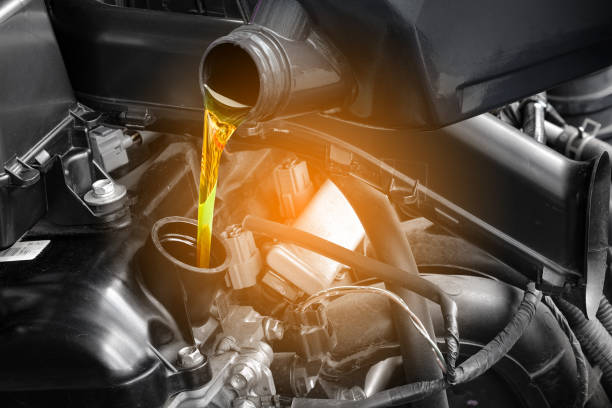
The health of your vehicle depends heavily on its maintenance schedule, and one of the most important tasks is ensuring timely oil maintenance. Engine oil serves as the lifeblood of any vehicle, lubricating moving parts, minimizing friction, and reducing wear and tear. Without clean oil, the risk of overheating, reduced efficiency, and costly breakdowns increases significantly. For drivers and fleet operators alike, understanding how often to schedule an oil change is essential for prolonging vehicle life and ensuring road safety. Companies like PM Truck Services Inc highlight the role of consistent servicing as part of preventive maintenance strategies.
Understanding the Function of Engine Oil
Oil does much more than just keep parts moving smoothly. It cools the engine, prevents corrosion, and keeps harmful debris from circulating. Over time, however, oil breaks down due to heat, contaminants, and oxidation. As oil degrades, its ability to lubricate and protect decreases, which is why skipping or delaying an oil change can have lasting consequences. Routine maintenance ensures that your vehicle continues to perform efficiently, while also protecting the engine from expensive repairs.
Standard Guidelines for Oil Change Intervals
Traditionally, many drivers believed in changing oil every 3,000 miles. While that was true decades ago, advancements in engine technology and oil formulations have extended recommended intervals. Most modern vehicles can safely run between 5,000 and 7,500 miles before needing an oil change. For vehicles using synthetic oil, intervals may extend up to 10,000 miles, depending on manufacturer recommendations. Always consult the owner’s manual as it provides guidance tailored to your vehicle’s design and performance standards.
Factors That Influence Oil Change Frequency
Not every vehicle follows the same timeline for maintenance. Several factors can influence how often oil should be replaced:
Driving Conditions
Stop-and-go city driving, heavy towing, and extended idling put more stress on engines compared to highway driving. These conditions accelerate oil breakdown and may require shorter intervals.
Vehicle Age
Older vehicles often need more frequent servicing, as their engines may not be as efficient or clean-burning as newer models.
Type of Oil Used
Conventional oil requires replacement more often than synthetic options. Synthetic blends and full synthetics provide longer-lasting protection and are recommended for modern engines.
Climate and Environment
Extreme heat, freezing temperatures, or dusty environments can all impact oil life. Vehicles in harsh climates may require closer monitoring and faster replacement cycles.
Benefits of Staying on Schedule
Sticking to an oil change schedule offers more than just peace of mind—it directly improves performance and reduces long-term costs.
Enhanced Engine Longevity
Fresh oil reduces wear on components, keeping the engine running efficiently for years longer than neglected vehicles.
Improved Fuel Economy
Engines with clean oil face less resistance, which translates to better fuel efficiency. Even small improvements can add up for fleet operators managing multiple vehicles.
Reduced Emissions
Oil that has broken down releases more contaminants into the exhaust system. Regular servicing supports cleaner emissions and helps vehicles comply with environmental regulations.
Lower Risk of Major Repairs
Replacing oil is far less costly than replacing an engine. Preventive maintenance keeps repair expenses manageable and predictable.
Signs Your Vehicle May Need an Oil Change
Even if you follow a schedule, there are times when vehicles demand earlier servicing. Key warning signs include:
- Dark or gritty oil visible on the dipstick
- Knocking or unusual engine noises
- Oil warning light illuminated on the dashboard
- Noticeable drop in fuel efficiency
- Burning smell from the engine bay
Being attentive to these signs can prevent minor issues from escalating into serious mechanical failures.
Oil Change for Commercial and Fleet Vehicles
For long-haul trucks and fleet vehicles, timely servicing is even more crucial. These vehicles operate under high stress, often carrying heavy loads and traveling long distances. Fleet operators cannot afford unplanned downtime, making preventive care vital. Setting strict schedules for oil changes reduces breakdowns and extends the lifespan of each vehicle in the fleet. Fleet managers often work with trusted service providers to ensure consistency and reliability in maintenance routines.
The Role of Professional Technicians
While some drivers perform basic servicing at home, professional technicians offer advantages that DIY maintenance cannot match. Trained mechanics inspect not only the oil but also related components such as filters, belts, and seals. This comprehensive approach ensures no underlying issues are overlooked. Professional service centers also keep records of each visit, making it easier to track and predict future maintenance needs.
Choosing the Right Oil for Your Vehicle
Another key factor in effective maintenance is selecting the correct oil. Options include:
- Conventional Oil: Affordable but requires more frequent replacement.
- Synthetic Oil: Designed for high-performance engines, lasts longer, and performs well under extreme conditions.
- Synthetic Blend: A middle ground offering better performance than conventional but at a lower cost than full synthetic.
Consulting with a professional ensures that the oil chosen matches both your vehicle type and driving habits.
Building a Preventive Maintenance Routine
An oil change should not be treated as a standalone task but as part of a larger preventive maintenance plan. Pairing oil replacement with tire checks, brake inspections, and fluid top-offs maximizes vehicle safety and efficiency. Scheduling service appointments in advance also ensures that vehicles remain road-ready and compliant with manufacturer standards.
Conclusion
Routine oil changes remain one of the simplest yet most effective ways to protect your vehicle. Whether you drive a personal car or manage a fleet of trucks, keeping up with maintenance ensures safety, efficiency, and cost savings over time. While general guidelines suggest 5,000 to 7,500 miles for most vehicles, factors such as driving conditions, vehicle age, and oil type must also be considered. By trusting skilled technicians and sticking to a preventive maintenance schedule, you can avoid costly breakdowns and keep your vehicles running smoothly for years to come. For reliable care backed by expertise, many drivers and fleet operators turn to professionals like PM Truck Services Inc, who understand the importance of consistency in keeping vehicles road-ready.
Frequently Asked Questions
How do I know if I need an oil change sooner than scheduled?
If you notice engine noises, poor fuel economy, or oil that appears thick and dirty, it’s best to schedule a replacement immediately.
Can synthetic oil extend the interval between changes?
Yes, synthetic oil generally lasts longer than conventional oil, with many vehicles able to go up to 10,000 miles before requiring a change.
Is it safe to delay an oil change?
Delaying maintenance risks engine wear, overheating, and costly breakdowns. It is always best to follow manufacturer recommendations.
Should commercial trucks follow the same interval as personal vehicles?
No. Fleet vehicles experience more stress and require more frequent servicing. Many fleet operators schedule oil changes at shorter intervals to prevent downtime.


