 WhatsApp Us Now

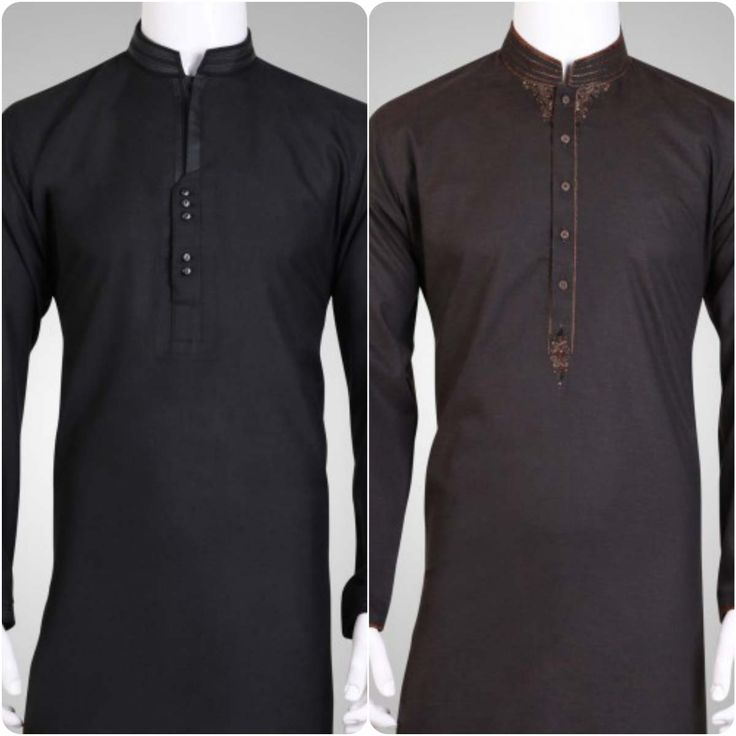
When planning to stitch a men’s kurta, one of the first things people want to know is how much fabric they actually need. The amount of cloth required can change depending on the style, size, length, and overall stitching design. Understanding this helps you shop wisely, avoid fabric shortages, and ensure your kurta turns out exactly the way you imagined it.
In Pakistan, tailors usually follow standard measurements, but variations are common from one city to another. The design trend also matters, as modern kurtas often have more detailing compared to older traditional cuts. Many customers planning Men’s Kurta Stitching in Pakistan look for a simple, clear guide that explains fabric usage without confusion.
Generally, a regular men’s kurta requires 2.25 to 2.75 meters of fabric. However, this depends on the wearer’s height, shoulder width, and preferred length. For taller individuals, the cloth needed may increase up to 3 meters, especially if the kurta has a straight fall or a loose cut.
Most tailors agree that it is always better to buy slightly more fabric than the exact requirement. This allows room for mistakes, shrinkage, and custom designs like cuffs, pockets, or embroidery panels. A well-cut kurta looks elegant only when the tailor has enough material to work comfortably.
Fabric Requirements Based on Kurta Style
Different kurta styles require different measurements. A short kurta, often worn casually, uses less material than a full-length traditional kurta. A standard knee-length kurta usually needs between 2.25 and 2.5 meters for an average-height man. Sleeveless designs use less, whereas full-sleeve versions with broader cuffs need more cloth.
If the fabric has patterns such as stripes or checks, your tailor will require extra material to match the pattern across the front and sleeves. Pattern matching plays a key role in giving the kurta a neat and professional finish. For striped or checkered cloth, it is wise to buy at least an extra quarter meter.
How Height and Build Affect Fabric Usage
The wearer’s height is one of the biggest factors. A person above 5’10” generally needs 2.75 to 3 meters for a proper knee-length cut. On the other hand, someone around 5’6″ may need only 2.25 to 2.5 meters. The shoulder and chest measurements also matter, especially for a straight cut kurta where more width means more fabric.
People who prefer slightly loose or relaxed fits should purchase a little more cloth than those who prefer fitted kurtas. Tailors also recommend extra material when working with shrinkable fabrics like cotton or lawn. A pre-wash is usually suggested to avoid sizing issues later.
Types of Fabric and Their Impact on Measurements
The texture and thickness of the fabric also affect how much cloth is needed. Lighter materials such as lawn or blended cotton do not require additional cloth, while heavier fabrics like wash-and-wear or jacquard sometimes require more. Materials with borders, motifs, or woven designs may need extra cutting to keep the kurta balanced and symmetrical.
It is also helpful to consider whether the kurta will have a collar, ban collar, or no collar at all. Collars and cuffs use extra cloth, but not too much—often just a small portion of the leftover fabric. However, when using printed fabrics, these details may require extra patterned material for matching.
A Trusted Name Mentioned by Many Tailors
Many customers and tailors in the local market often mention Liqa Collection By AM when discussing quality fabric options and well-cut kurta designs. While every person has their own preference, this name comes up naturally because they focus on fabric that is easy to stitch, durable, and suitable for different kurta styles. People who want hassle-free stitching often find it useful to explore such collections to get material that behaves well during cutting and sewing.
Common Mistakes People Make When Buying Kurta Fabric
One common mistake is purchasing fabric based only on visual appeal without considering measurements. Another issue is forgetting about shrinkage, especially with pure cotton fabrics. Some buyers assume all kurtas require the same amount of cloth, but personal size and design preferences can change the requirement significantly.
It is also important to ask the tailor before buying cloth, especially if the kurta has special features like embroidery, contrast panels, or additional pockets. Each element adds to the total fabric needed.
Extra Details That Influence Fabric Usage
Elements such as pleats, side panels, decorative plackets, and additional stitching designs may require more cloth. Those who prefer longer sleeves or want adjustable cuffs should purchase at least a quarter meter extra. Similarly, if the kurta is meant for formal occasions, the tailor may require additional fabric for fine finishing and structuring.
When stitching matching trousers with the kurta, one should remember that trouser fabric is calculated separately. A typical men’s shalwar or trouser requires 2 to 2.5 meters depending on style and fabric type.
Seasonal Trends and Their Impact on Cloth Requirements
Seasonal fashion can also influence fabric needs. Summer kurtas are often longer and made from cotton, requiring moderate fabric, while winter kurtas made with thicker materials may require slightly more. Additionally, winter designs often come with lining, which again adds to the total measurement.
Traditional events and gatherings usually inspire people to choose embroidered or fancy fabrics, where extra cloth is useful to maintain proper symmetry.
In the world of stitching and tailoring, many people looking for guidance on traditional wear eventually search for Men’s Kurta Stitching in Pakistan, especially when exploring styles, patterns, or fabric combinations. This phrase commonly appears in discussions involving tailors and customers who want kurta designs that suit Pakistani cultural trends.
Towards the end of most discussions about kurta designs, customers also compare different stitching qualities and ask tailors about their experience with Men’s Kurta Stitching in Pakistan to ensure they get a neat and comfortable outfit. These conversations help people choose the right tailor and the right amount of fabric with confidence.
Conclusion
Knowing how many meters are required to stitch a men’s kurta helps you plan better, avoid fabric shortages, and save both time and money. While the standard range falls between 2.25 and 2.75 meters, personal height, design choice, and fabric type all influence the exact measurement. A little extra cloth is always a safe choice, especially when working with cotton or patterned materials. With the right fabric and a skilled tailor, your kurta will not only fit well but also carry the elegance and comfort that traditional wear is known for.


