 WhatsApp Us Now

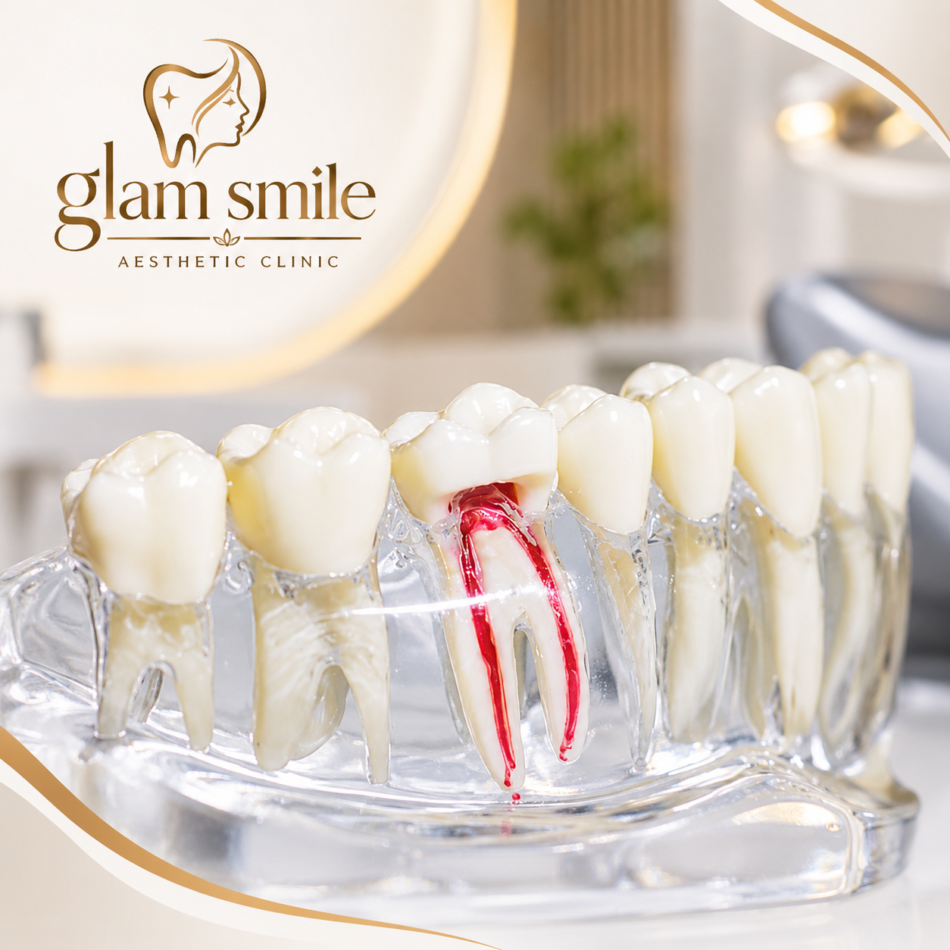
A root canal can save a damaged or infected tooth and help you maintain your natural smile for many years. However, one of the most common questions patients ask before undergoing treatment is how long the treated tooth will last. The answer depends on several factors, including the extent of the original damage, the quality of the treatment, daily oral hygiene, and whether the tooth receives a suitable final restoration.Understanding these factors can help you protect your tooth and avoid unnecessary dental complications in the future.If you are considering Root Canal Treatment in Islamabad, knowing what affects the lifespan of a treated tooth can help you make an informed decision and prepare for long-term dental care.In this article, we explain how long a root canal-treated tooth can last, how the procedure works, what benefits it offers, and how you can keep your treated tooth healthy for as long as possible.
How Long Does a Root Canal-Treated Tooth Last?
A root canal-treated tooth can last 10 to 20 years or even a lifetime with proper care. However, there is no guaranteed lifespan because every tooth and patient is different.Root canal treatment removes infected or inflamed tissue from inside the tooth, cleans the root canals, and seals them to help prevent further infection. The natural tooth structure remains in place, allowing the tooth to continue functioning.Several factors influence how long the treated tooth survives:
What Is Root Canal Treatment?
Root canal treatment, also known as endodontic treatment, is a dental procedure used to treat infection or inflammation inside a tooth. The affected tissue, called the dental pulp, contains nerves, blood vessels, and connective tissue.The pulp may become infected because of deep tooth decay, cracks, trauma, or repeated dental procedures. Without appropriate treatment, the infection can spread into the surrounding tissues and may eventually lead to an abscess or tooth loss.The purpose of a root canal is to remove the diseased pulp, preserve the natural tooth, and restore its function.
How Does Root Canal Treatment Work?
The procedure generally involves the following steps.
Dental examination and diagnosis
The dentist examines the tooth, reviews symptoms, and may take dental X-rays to assess the roots and surrounding bone. This helps determine whether root canal treatment is appropriate.
Local anesthesia
Local anesthesia is used to numb the affected area, helping keep the procedure comfortable. Patients may feel pressure or movement, but significant pain during treatment should be communicated to the dentist.
Accessing the infected pulp
The dentist creates a small opening in the tooth to reach the pulp chamber and root canals.
Cleaning and shaping the canals
The infected or inflamed pulp is removed. The canals are cleaned, disinfected, and shaped to prepare them for sealing.
Filling and sealing the tooth
The cleaned canals are filled with a suitable dental material, commonly gutta-percha, and sealed to reduce the risk of reinfection.
Restoring the tooth
The access opening is restored with a filling or other suitable restoration. Depending on the tooth’s condition and location, a dental crown may be recommended to provide additional protection.Completing the final restoration promptly, as advised by the dentist, is an important part of protecting the treated toothNot every painful tooth needs a root canal. Some conditions can be managed with a filling, other restorative treatment, or different care depending on the diagnosis.A tooth may not be suitable for conventional root canal treatment if it has a severe fracture extending below the gumline, inadequate remaining structure, or damage that makes successful restoration unlikely. In such cases, the dentist may discuss alternative treatments, including extraction and possible tooth replacement.A professional examination is necessary to determine the most appropriate option.
What Are the Benefits of Root Canal Treatment?
Root canal treatment offers several benefits when the affected tooth can be successfully restored.
1. Preserves Your Natural Tooth
Saving a natural tooth helps maintain normal chewing function and avoids the immediate need for extraction and replacement.
2. Relieves Tooth Pain
When pain is caused by inflamed or infected pulp, removing the affected tissue can help resolve the underlying problem. Some tenderness may remain temporarily after the procedure.
Helps Control Infection
Cleaning, disinfecting, and sealing the root canals helps eliminate infection inside the tooth and reduce the risk of further bacterial contamination.
Supports Normal Chewing
Once the tooth has healed and received an appropriate restoration, it can often function similarly to other teeth.
May Reduce the Need for Tooth Replacement
Preserving the natural tooth can avoid or delay the need for a dental implant, bridge, or other replacement option, provided the tooth remains healthy and functional.
What Factors Affect the Lifespan of a Root Canal-Treated Tooth?
Even after successful treatment, a tooth needs ongoing care. The following factors are particularly important.
The Type of Tooth
Molars and premolars generally withstand substantial chewing pressure. Because these teeth often have multiple roots and may lose considerable structure from decay, they can be more susceptible to fractures.Front teeth usually experience different biting forces, and a crown may not always be necessary. The appropriate restoration depends on how much healthy tooth structure remains.
The Need for a Dental Crown
A root canal-treated tooth may become more vulnerable to fracture when substantial tooth structure has been lost. A crown can cover and protect the remaining tooth, particularly in many cases involving premolars and molars.However, not every treated tooth automatically requires a crown. Your dentist should evaluate the amount of remaining structure, the tooth’s position, and your bite before recommending the final restoration.
Oral Hygiene and Regular Checkups
Bacteria can still cause decay around a treated tooth, particularly at the edges of a filling or crown. Brushing twice daily with fluoride toothpaste, cleaning between teeth, and attending regular dental appointments can help reduce this risk.
Teeth Grinding and Clenching
Habitual grinding or clenching places additional pressure on teeth and restorations. If you grind your teeth, your dentist may recommend a custom night guard to help protect them.
What Are the Limitations and Risks of Root Canal Treatment?
Although root canal treatment is commonly successful, it does have limitations and potential complications.The procedure also cannot restore tooth structure that has already been lost. This is why the final restoration is just as important as cleaning and sealing the canals.Contact your dentist if you experience persistent or worsening pain, swelling, a bad taste or discharge, or discomfort when biting that does not improve as expected. Facial swelling accompanied by difficulty swallowing or breathing requires emergency medical attention.
What Is the Recovery Period After Root Canal Treatment?
Most patients can return to their usual daily activities shortly after root canal treatment, although recovery varies according to the severity of the infection and the complexity of the procedure.
Mild tenderness or sensitivity around the treated tooth may occur for several days. This should generally improve rather than worsen.
Root Canal Treatment in Islamabad at Glam Smile Clinic
Choosing an experienced dental professional can help you understand your treatment options and the steps needed to protect your tooth after a root canal.Glam Smile Clinic can be a starting point for discussing your dental concerns, understanding the root canal procedure, and learning about suitable restorative options. During your consultation, ask about the condition of your tooth, whether a crown is recommended, the expected recovery period, and the follow-up care you may need.A personalized treatment plan is important because the lifespan of a root canal-treated tooth depends on its individual condition, the quality of treatment, and how well it is maintained afterward.
Frequently Asked Questions
Can a root canal-treated tooth last a lifetime?
Yes, some root canal-treated teeth last a lifetime. However, this is not guaranteed. The condition of the tooth, the quality of the restoration, oral hygiene, and chewing forces all affect long-term survival.
Does a root canal-treated tooth become weaker?
A tooth does not necessarily become weak simply because it has undergone a root canal. However, the decay, fracture, or extensive dental work that made treatment necessary may leave it structurally vulnerable. A suitable restoration helps protect the remaining tooth.
Is a crown always necessary after root canal treatment?
No. The need for a crown depends on the tooth’s location and how much healthy structure remains. Molars and premolars often benefit from crown protection, while some front teeth can be restored successfully with a filling or another conservative restoration.
Can a root canal-treated tooth get infected again?
Yes. Reinfection can occur if bacteria enter the tooth through a damaged restoration, if the original infection does not fully resolve, or if a new problem develops. A dentist may recommend retreatment or another procedure if this happens.
How do I know if my root canal-treated tooth is failing?
Warning signs may include persistent or recurring pain, swelling around the gums, a pimple-like bump near the tooth, tenderness when biting, or a damaged crown or filling. Some problems cause no obvious symptoms, so routine dental examinations remain important.
Conclusion
A root canal-treated tooth can last 10 to 20 years or even a lifetime when the infection is treated effectively and the tooth receives appropriate protection and ongoing care. Its lifespan depends on the remaining tooth structure, the quality of the root canal, the final restoration, oral hygiene, and everyday habits.If you have a damaged or infected tooth, seek a professional dental assessment to determine whether root canal treatment is suitable. With timely treatment, a well-planned restoration, and regular checkups, you can improve the chances of preserving your natural tooth for many years.

