 WhatsApp Us Now
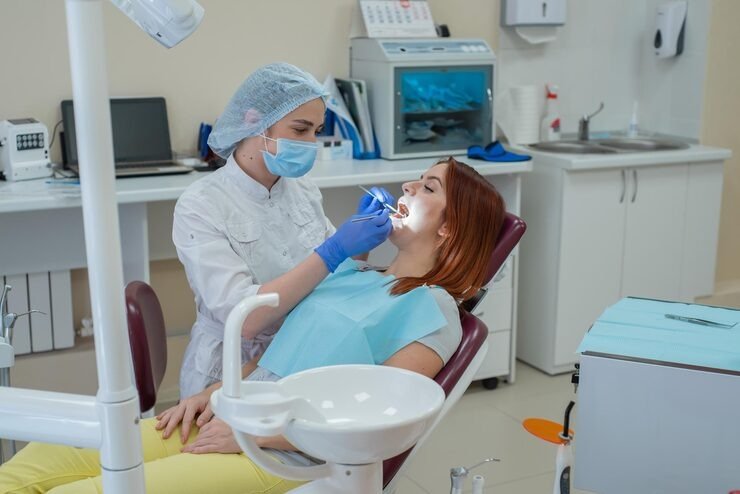
Getting veneers or a teeth whitening treatment done is a big decision, both for your smile and your pocket. Naturally, most people want to know how long the results will actually last before they need a touch-up or a fresh session.
The honest answer depends on the type of treatment, the material used, the skill of your dentist, and your own daily habits. Let us look at the details so you know exactly what to expect from this popular cosmetic dental investment before you book your appointment.
What Determines How Long Veneers Last
Veneers are thin shells bonded to the front of your teeth, and their lifespan depends heavily on the material chosen, the skill of the dentist, and how carefully the bonding process is carried out during your treatment appointment.
If you are searching for the best dental clinic in Vile Parle West, remember that a well-trained cosmetic dentist, quality dental lab work, and proper aftercare instructions make a genuine difference to how long your veneers will actually hold up over the years ahead.
Average Lifespan You Can Expect
On average, porcelain veneers last between ten and fifteen years with proper care, while composite veneers usually last five to seven years, and professional whitening results typically last between six months and two years depending on your lifestyle habits and diet. These are only general estimates, and actual results can vary quite a bit from patient to patient based on individual dental history.
Porcelain Veneers and Their Durability
Porcelain veneers are known for their strength and stain resistance. Because the material mimics natural enamel so closely, it resists chipping and discoloration far better than other options, making it a preferred choice for long-term smile makeovers across most Indian cities today, including Mumbai.
With regular dental visits and good oral hygiene, porcelain veneers can easily cross the fifteen-year mark without much trouble. However, grinding teeth at night or biting hard objects like pens can shorten their life considerably, so protective measures really do matter here. A simple custom-fitted night guard often goes a long way in preserving your veneers for the years ahead.
Composite Veneers and Everyday Wear
Composite veneers are more affordable but generally less durable than porcelain. They are applied directly onto the tooth surface and shaped by the dentist chairside in a single sitting, which makes them convenient but also more prone to daily wear and tear over time.
Coffee, tea, tobacco and coloured foods can stain composite veneers faster than porcelain ones over time. Most patients need polishing or minor repairs every couple of years to keep them looking fresh, bright and completely natural, which is worth budgeting for in advance.
Teeth Whitening Longevity Explained
Professional teeth whitening lightens the natural shade of your teeth using bleaching agents applied carefully by a qualified dentist under controlled conditions. Results are usually visible immediately after the session, but they gradually fade as new stains build up on the enamel surface over time, especially without proper follow-up care.
Most people notice their whitening results lasting anywhere from six months to two years, depending on their diet and oral care routine. Smokers and frequent tea or coffee drinkers often see the shade fade faster and may need touch-up sessions much sooner than others do.
Habits That Speed Up Fading
Certain everyday lifestyle habits directly affect how long your cosmetic dental work actually lasts. Smoking, excessive consumption of red wine, tea, coffee, and poor brushing routines all contribute to quicker staining, discoloration, and general wear on your teeth over time.
Grinding your teeth, chewing on hard objects like ice cubes or pens, and skipping regular dental checkups can also reduce the lifespan of both veneers and whitening treatments significantly over the coming years, so these habits are genuinely worth avoiding wherever possible, especially after a fresh treatment.
Tips to Extend Your Results
Brushing twice daily, flossing regularly, and using a soft-bristled toothbrush help protect veneers and whitened teeth from unnecessary wear and premature staining. Avoiding harsh whitening toothpaste and abrasive scrubbing is also strongly recommended by most experienced dentists across the country.
Wearing a night guard if you grind your teeth, limiting staining foods and drinks, and scheduling professional cleanings every six months can noticeably extend the life of your cosmetic dental work for many years, saving you money and repeated dental visits in the long run.
Final Thoughts
Veneers and whitening can transform your smile beautifully, but their longevity depends on the materials used, the dentist’s skill, and your own daily habits. With good oral hygiene, regular checkups, and mindful lifestyle choices, you can enjoy your results for many years to come. Choosing an experienced cosmetic dentist and following aftercare advice closely will always give you the best long-term value for your money, your confidence, and your smile overall.


