 WhatsApp Us Now
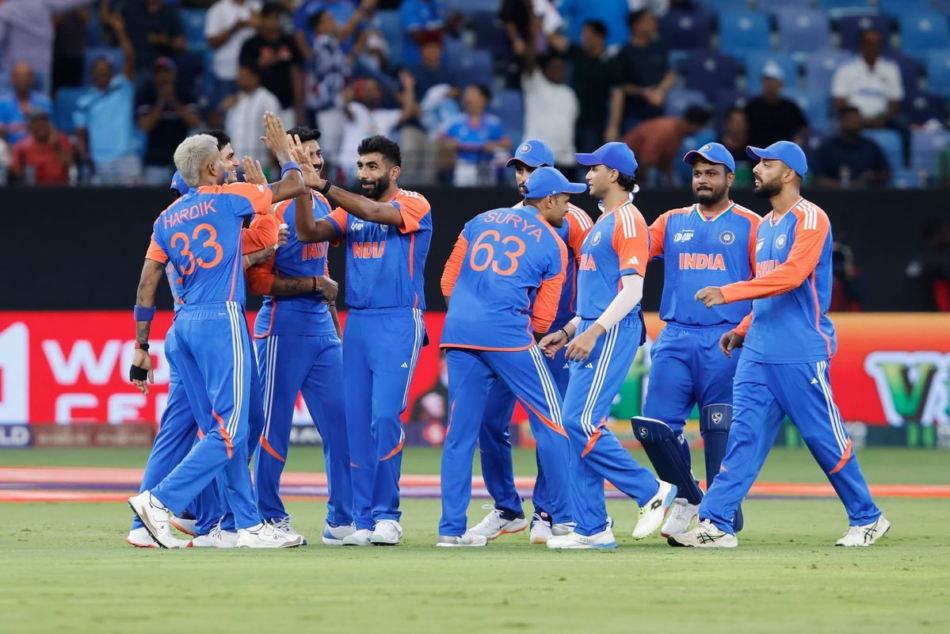
Live cricket produces a constant flow of information. A boundary can change the required run rate, a wicket can shift the balance, and a strong partnership can alter how a match looks within a few overs.
For anyone learning about a cricket exchange, understanding this live information is useful because exchange markets respond to changing match conditions. The numbers shown during a game are not isolated figures. Score, wickets, overs, required runs, player form and match situation all provide context.
This article explains how to read those signals, why market information can change, and what readers should understand before using an exchange platform.
What Is a Cricket Exchange Market?
A cricket exchange market is a marketplace where prices represent how the market currently assesses different possible outcomes. Unlike a simple fixed-price format, exchange prices can move as new information becomes available.
For example, consider a T20 match where a team needs 70 runs from 42 balls with eight wickets remaining. A few overs later, the same team may need 45 runs from 24 balls. The score has changed, but so have the number of deliveries available and the pressure on the batting side.
This is why live cricket data matters.
An exchange market does not exist separately from the match. Changes in the game can influence the prices displayed in a market.
What Information Usually Matters?
Important live indicators include:
- Current score
- Wickets lost
- Overs completed
- Runs required
- Balls remaining
- Current run rate
- Required run rate
- Batting partnerships
- Recent boundaries
- Recent wickets
- Match stage
- Playing conditions
No single statistic tells the entire story. The value comes from understanding how several pieces of information fit together.
How Live Cricket Data Affects Exchange Markets
Live markets can change quickly because cricket is a sequence-based sport. Every delivery creates another piece of information.
A dot ball may have little effect in one situation but matter much more during a tense final over. Similarly, a boundary during the powerplay may have a different context from a boundary scored when a team needs 18 runs from six balls.
Score and Run Rate
The score gives the basic picture of a match.
However, the score alone is not enough. A team making 120 runs in 15 overs is in a different position from a team making 120 runs in 19 overs.
Run rate adds time and scoring speed to the picture.
For example:
| Match Situation | What It Tells You |
|---|---|
| High score with many overs left | Strong scoring pace |
| Low score with many wickets remaining | Recovery may still be possible |
| High required run rate | Greater scoring pressure |
| Low required run rate | More manageable scoring requirement |
| Few wickets remaining | Batting resources are limited |
These indicators help explain why market prices may move after apparently small events.
Wickets and Batting Partnerships
Wickets are among the most significant events in cricket.
Losing a well-set batter can change the expected scoring pattern. A new batter may need time to settle, while the remaining batting lineup may have less experience.
The opposite can happen when two established batters build a partnership. Regular scoring can reduce pressure and improve the team’s position.
The key is context.
A wicket at 40/1 may have a different effect from a wicket at 180/2. The same event can carry different meaning depending on the stage of the innings and the remaining resources.
Overs Remaining
The number of overs left provides essential context.
In limited-overs cricket, teams have a fixed number of deliveries available. As the innings progresses, there is less time to recover from mistakes.
A team chasing 80 runs with 15 overs remaining has considerably more time than a team needing the same total from five overs.
That is why live cricket analysis should always consider the remaining overs alongside the score.
Required Run Rate
Required run rate shows how quickly a chasing team needs to score to reach its target.
The basic calculation is:
Required run rate = Runs required ÷ Overs remaining
Suppose a team needs 60 runs from 10 overs:
60 ÷ 10 = 6 runs per over
If the requirement later becomes 45 runs from five overs:
45 ÷ 5 = 9 runs per over
The target has become more demanding because the available overs have decreased.
This simple calculation can make live match information easier to understand.
Match Momentum
Momentum is harder to measure than score or run rate, but it can still provide useful context.
A sequence such as:
- Boundary
- Boundary
- Single
- Wicket
- Dot ball
tells a different story from:
- Dot ball
- Dot ball
- Single
- Single
- Single
The score may not change dramatically, but the match situation can feel very different.
For this reason, ball-by-ball information can add useful context to a basic scoreboard.
Reading Live Cricket Information More Effectively
A live scorecard contains much more than the current score. Learning how to read the information together can make a match easier to follow.
Scorecard
Start with the basic numbers:
- Team score
- Wickets
- Overs
- Target
- Current run rate
- Required run rate
These figures establish the overall match position.
Ball-by-Ball Updates
Ball-by-ball commentary provides more detail.
It can show whether runs came from boundaries, singles, extras or other events. It also helps explain how an innings is developing between major scoreboard changes.
For example, a team scoring 12 runs in an over through twelve singles is different from scoring 12 through three boundaries and several dot balls.
The total is identical, but the scoring pattern is different.
Team Statistics
Statistics can provide additional context, but they should not be viewed in isolation.
Relevant information may include:
- Batting averages
- Strike rates
- Bowling economy
- Recent performances
- Partnership statistics
- Team scoring patterns
Historical numbers can provide context, but they do not determine what will happen in a particular match.
Match Situation
Always ask a few basic questions:
- Which innings is underway?
- How many wickets remain?
- How many overs are left?
- What is the required run rate?
- Which batters are currently at the crease?
- Which bowlers still have overs available?
- Has the match situation changed recently?
These questions help turn raw data into understandable match context.
How Mobile Apps Present Cricket Exchange Information
Mobile platforms have changed how fans follow live cricket. Instead of relying only on television coverage, users can view scorecards, match information and market-related data on a smartphone.
A well-organized Tigerexchange app interface, for example, can be evaluated from an information-design perspective rather than simply by the number of features it displays.
Useful mobile features may include:
- Clear match navigation
- Readable score information
- Current innings details
- Quick access to live updates
- Clearly separated market sections
- Simple account controls
- Visible terms and support information
The most useful interface is not necessarily the one with the most information. Too many numbers on one screen can make a live match harder to understand.
Good information design helps users identify the important details quickly.
What to Check Before Using an Exchange Cricket ID
An exchange cricket ID is an account used to access an exchange platform. Before using any such account, readers should consider basic security and transparency.
The exchange cricket id should be connected to a platform that clearly explains its terms, account rules and available support.
Check Account Security
Look for standard security practices such as:
- Secure account access
- Strong password options
- Protection of personal information
- Clear account recovery procedures
- Transparent privacy information
Avoid sharing passwords, verification codes or other sensitive account details with another person.
Read the Terms
Terms and conditions explain how an account and platform operate.
Pay attention to:
- Account eligibility
- Deposits and withdrawals
- Verification requirements
- Account restrictions
- Dispute procedures
- Responsible gaming policies
Understanding these details before using a service can prevent avoidable confusion later.
Consider Support Information
A reliable service should provide clear information about how users can get help.
Support details should not be hidden behind vague claims. Readers should know where to go if they encounter an account, payment or technical issue.
Common Mistakes When Reading Live Cricket Markets
Live cricket information can be useful, but it is easy to misread.
Looking Only at the Score
The score is important, but it does not tell the complete story.
Always consider wickets, overs and the current batting partnership as well.
Ignoring Required Run Rate
A chase can look comfortable until the required run rate starts rising sharply.
Comparing runs required with balls or overs remaining provides a better picture.
Reacting to One Delivery
One boundary does not guarantee an innings will accelerate. One wicket does not automatically decide a match.
Cricket contains many changing variables, so individual events should be viewed within the wider innings.
Treating Market Prices as Predictions
Exchange prices represent current market conditions. They should not be treated as guaranteed predictions of a match result.
Markets can move because participants respond to new information, and those movements can be wrong.
Ignoring Match Conditions
Pitch behavior, weather, dew, ground dimensions and playing conditions can affect how teams perform.
These factors are useful context when available, but they should not be used to make unsupported assumptions.
Example: How One Wicket Can Change Match Context
Imagine a team chasing 160 in a T20 match.
After 12 overs, the team is:
105/2
It needs 55 runs from 48 balls.
At this stage, the required scoring rate is relatively moderate.
Now imagine the team’s highest-scoring batter is dismissed.
The team becomes:
105/3
The target has not changed. It still needs 55 runs from 48 balls.
However, the match context has changed.
The next batter may need time to settle. The remaining batting order may have less experience. The bowling team may also gain confidence.
This example shows why live cricket analysis involves more than looking at one number.
Cricket Data vs Market Price: Why They Are Not the Same Thing
Live cricket data describes what is happening on the field.
Market prices describe how participants currently value possible outcomes.
These are related but different concepts.
For example, a team may lose a wicket while still having a strong position. The market may react immediately, but that reaction reflects the market’s assessment of the event rather than an objective guarantee about the final result.
This distinction is important for anyone learning about cricket exchange markets.
Data should help you understand the match. It should not be confused with certainty.
Practical Tips for Understanding Live Match Information
A simple process can make live cricket data easier to follow.
1. Start With the Score
Check the score, wickets and overs.
2. Identify the Match Phase
Determine whether the game is in the powerplay, middle overs or final stages.
3. Check the Required Rate
During a chase, compare runs required with overs or balls remaining.
4. Look at the Current Batters
A partnership can influence scoring patterns and pressure.
5. Review Recent Events
Check the last few deliveries or overs instead of focusing on one event.
6. Consider Available Resources
Look at remaining wickets, batting depth and bowling options.
7. Separate Information From Assumptions
Statistics describe the current situation. They do not guarantee the final result.
Responsible Use of Cricket Exchange Platforms
Cricket exchange information should be approached responsibly.
Financial risk can exist when money is involved in exchange markets. Users should understand the rules of the platform, set personal limits and avoid treating cricket markets as a source of guaranteed income.
No statistic, app or market price can remove uncertainty from sport.
If someone feels that their use of betting or exchange services is becoming difficult to control, taking a break and seeking appropriate support is a sensible step.
Key Takeaways
- Live cricket data provides context for understanding exchange markets.
- Score, wickets, overs and required run rate should be viewed together.
- Ball-by-ball events can explain why market conditions change.
- A wicket can have different significance depending on the match situation.
- Market prices are not guaranteed predictions.
- Mobile interfaces should make important cricket information easy to find.
- Users should review security, terms and support before using an exchange cricket ID.
- Responsible use matters whenever real money is involved.
Conclusion
Understanding a cricket exchange becomes easier when live match information is viewed as a connected set of signals rather than isolated numbers.
The score tells you where the match stands. Wickets show available batting resources. Overs show how much time remains, while the required run rate explains the pressure in a chase. Ball-by-ball events then add the detail behind those numbers.
Mobile platforms, including a Tigerexchange app, can make this information easier to follow when the interface presents match data clearly. An exchange cricket ID, meanwhile, should be considered from both usability and account-safety perspectives.
The most useful approach is simple: understand the match first, interpret the data carefully, and never treat market movement as certainty.
Frequently Asked Questions
What is a cricket exchange market?
A cricket exchange market is a marketplace where prices can change as participants respond to information about possible match outcomes. Unlike fixed-price formats, exchange prices can move during a match.
Why does live cricket data affect exchange markets?
Live data provides new information about the match. A wicket, boundary, partnership or change in required run rate can alter how participants assess the possible outcomes.
Which cricket statistics are useful during a live match?
Score, wickets, overs remaining, current run rate, required run rate and recent scoring patterns are useful starting points. Player and team statistics can provide additional context.
How does a wicket change match context?
A wicket removes a batter and can change the batting team’s available resources. Its impact depends on factors such as the score, overs remaining, target and quality of the remaining batting lineup.
What is an exchange cricket ID?
An exchange cricket ID is an account used to access a cricket exchange platform. Users should review account security, eligibility rules, terms and support information before using one.
How can a mobile app make live cricket information easier to follow?
A useful mobile interface can organize scorecards, live updates, match details and market information clearly. Simple navigation and readable data can reduce confusion during a live match.
Does live cricket data predict the result of a match?
No. Live data describes the current match situation, but cricket remains uncertain. Statistics and market prices should not be treated as guarantees.
What should users check before using a cricket exchange platform?
Users should review account security, terms and conditions, verification rules, payment information, support options and responsible gaming policies.
Can exchange market prices change during a match?
Yes. Exchange prices can change when new information becomes available or when market participants change their positions. The size and direction of movement can vary.
Is one cricket statistic enough to understand a live market?
Usually not. Score, wickets, overs, required rate, batting partnerships and recent events work together to provide a more complete picture.


