 WhatsApp Us Now
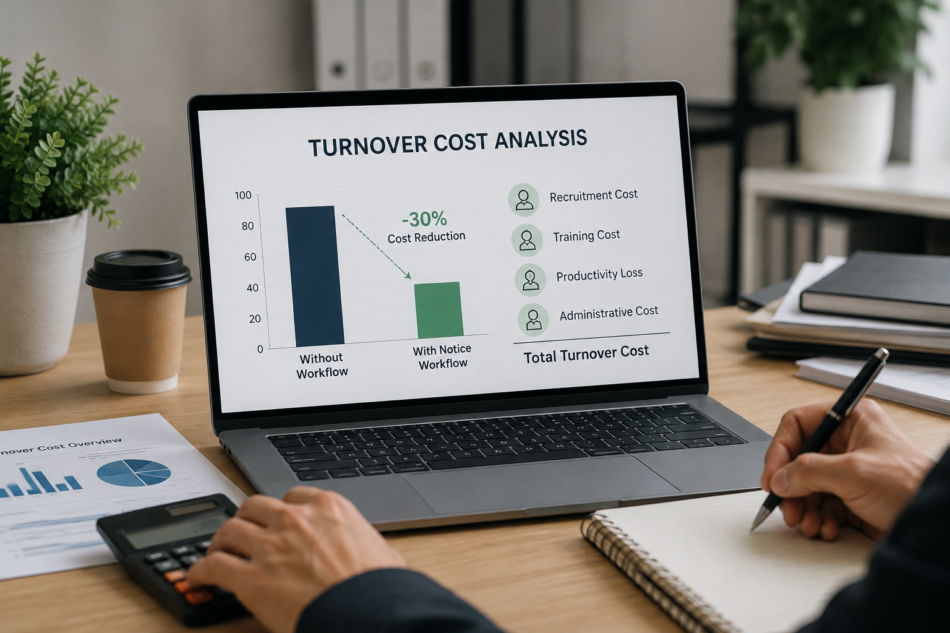
Property turnover is one of the largest operational expenses in multifamily housing. From vacant units and maintenance to resident communication and leasing delays, every additional day between move-out and move-in impacts revenue. A well-designed notice-triggered workflow helps property managers streamline operations, reduce delays, and uncover new revenue opportunities.
If you’re looking for a practical guide to ancillary revenue in multifamily, understanding how notice-based automation influences turnover costs is an excellent place to start.
What Is a Notice-Triggered Workflow?
A notice-triggered workflow begins when a resident submits their intent to move out. Instead of relying on manual follow-ups, the system automatically initiates tasks for every department involved in the transition.
These workflows can include:
- Scheduling unit inspections
- Coordinating maintenance and cleaning
- Sending resident move-out checklists
- Offering utility setup and moving services
- Preparing the unit for marketing and leasing
An organized notice to vacate process ensures that every task is completed on time while minimizing operational bottlenecks.
How Turnover Costs Increase
Without automation, move-outs often create unnecessary expenses, such as:
- Longer vacancy periods
- Delayed maintenance scheduling
- Communication gaps between teams
- Lost leasing opportunities
- Higher administrative workload
Even a few extra vacant days per unit can significantly reduce annual revenue across an entire property portfolio.
How Notice-Triggered Workflows Reduce Costs
1. Shorter Vacancy Periods
The moment a resident submits notice, maintenance and inspection schedules can begin automatically. Teams complete work faster, allowing units to become available sooner.
Reducing vacancy by even one or two days per turnover can have a measurable financial impact.
2. Better Team Coordination
Leasing, maintenance, operations, and resident services receive automated notifications instead of relying on manual emails or spreadsheets.
A standardized notice to vacate process keeps every department aligned and accountable.
3. Improved Resident Experience
Residents appreciate clear communication during move-out. Automated reminders about inspections, key returns, cleaning expectations, and utility transfers reduce confusion while creating a smoother departure experience.
Satisfied residents are also more likely to leave positive reviews and recommend the community.
Creating New Ancillary Revenue Opportunities
One of the biggest advantages of notice-triggered workflows is the ability to generate move-out ancillary revenue.
Instead of waiting until residents leave, property managers can present valuable services immediately after notice is received, including:
- Utility connection services
- Moving assistance
- Packing supplies
- Storage solutions
- Internet and cable setup
- Cleaning services
These offers create convenience for residents while producing additional income for property owners. For organizations seeking a comprehensive guide to ancillary revenue in multifamily, integrating these services into automated workflows is becoming a best practice.
Why CEOs Should Care
For business leaders, turnover isn’t simply an operational issue—it’s a profitability issue.
A notice-triggered workflow delivers measurable business benefits:
- Lower operating costs
- Faster unit readiness
- Increased staff productivity
- Improved resident satisfaction
- Higher occupancy rates
- Additional move-out ancillary revenue
When multiplied across hundreds or thousands of units, these improvements can significantly increase annual net operating income.
Best Practices for Implementation
To maximize results:
- Automate workflows immediately after notice submission.
- Standardize every step of the notice to vacate process.
- Integrate maintenance, leasing, and resident communication into one platform.
- Track completion times and turnover metrics.
- Introduce relevant move-out ancillary revenue offers at the appropriate stage of the resident journey.
Conclusion
Notice-triggered workflows do far more than automate administrative tasks. They reduce costly delays, improve collaboration, enhance the resident experience, and unlock new revenue opportunities throughout the move-out lifecycle.
As multifamily operators continue searching for operational efficiencies, combining workflow automation with a strong guide to ancillary revenue in multifamily strategy helps transform every move-out into an opportunity for both cost savings and business growth.


