 WhatsApp Us Now

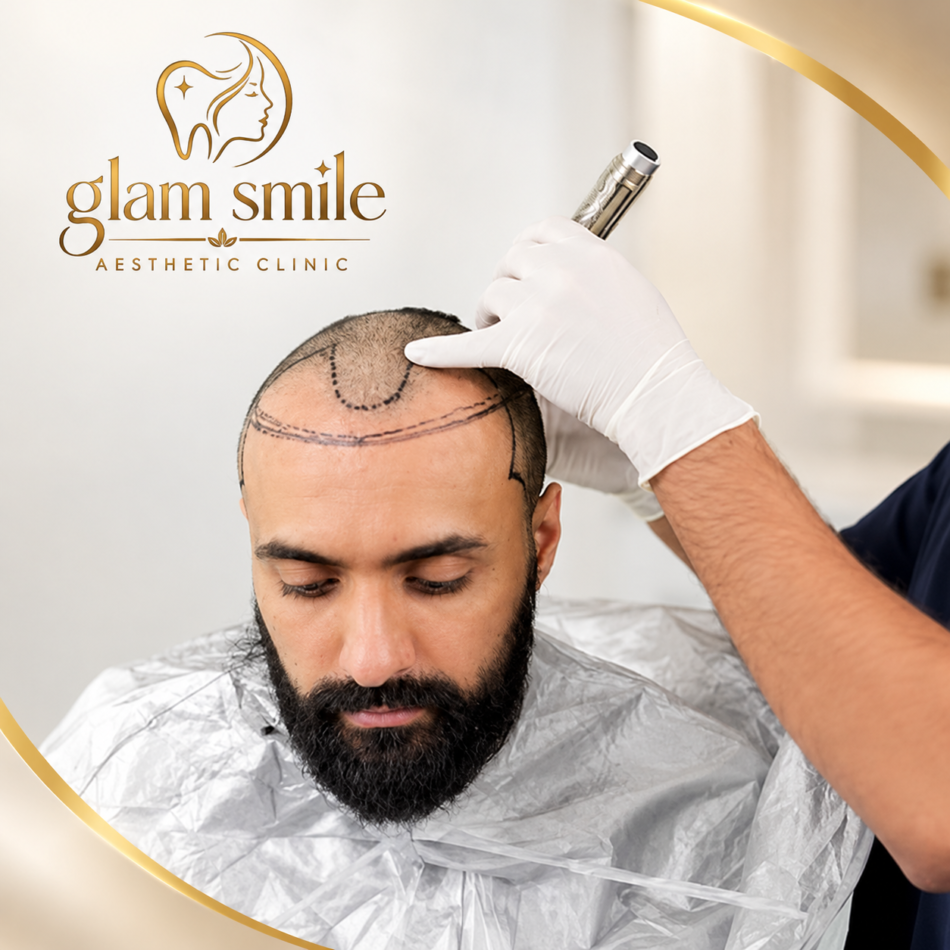
A hair transplant is an important step toward restoring your hairline, improving your appearance, and feeling more confident. However, the success of your recovery depends not only on the procedure itself but also on how carefully you follow your aftercare instructions. One of the most common concerns patients have after surgery is how to sleep comfortably without disturbing the newly transplanted hair follicles.The first few nights after treatment require special attention because the scalp may be sensitive, swollen, or tender. Choosing the correct sleeping position can help protect the transplanted grafts and support the healing process.If you are considering a Hair Transplant in Islamabad, understanding the right sleeping habits can help you prepare for a smoother recovery. With proper guidance, a comfortable sleeping arrangement, and consistent aftercare, you can protect your scalp while allowing your new hair to develop.
What Is the Best Sleeping Position After a Hair Transplant?
The recommended sleeping position usually involves lying on your back with your head elevated. This position helps minimize contact between the transplanted area and your pillow.
1. Sleep on Your Back
Sleeping on your back is generally the safest option during the first several nights after surgery, especially when the recipient area is on the front or top of your scalp. Try to keep your head centered and avoid turning it from side to side while sleeping. A supportive pillow can help you maintain this position throughout the night. f you normally sleep on your stomach or side, adjusting your routine temporarily may feel unfamiliar. However, protecting the transplanted area during early healing is worth the extra effort.
2. Keep Your Head Elevated
Your surgeon may recommend sleeping with your head elevated at approximately 30–45 degrees during the first three to five nights, depending on your procedure and swelling. You can achieve this by using a reclining bed, an adjustable pillow, or a suitable wedge pillow. Avoid stacking too many soft pillows, as they may cause your neck to bend uncomfortably. Head elevation may help reduce postoperative swelling, particularly when hair grafts have been implanted along the hairline.
3. Avoid Sleeping on Your Stomach
Sleeping face down is generally discouraged during the early recovery period because it can place pressure on the forehead, scalp, or transplanted area. This position may also cause unnecessary rubbing against bedding. If you are accustomed to sleeping on your stomach, consider using a wedge pillow or arranging pillows around your body to help you remain on your back.
4. Avoid Direct Pressure on the Transplanted Area
Do not press the newly treated scalp against the pillow. If your transplant includes the crown, your surgeon may recommend specific positioning to protect that area. clean, smooth pillowcase can help reduce friction. Avoid rough fabrics, tight head coverings, or anything that rubs against the recipient area unless your surgeon has specifically recommended a protective covering.
How Long Should You Sleep Elevated After a Hair Transplant?
The recommended sleeping position depends on your healing progress, the technique used, and the location of the transplanted grafts.
| Recovery period | Recommended sleeping habits |
|---|---|
| First 1–3 nights | Sleep on your back with your head elevated, as instructed. |
| Days 4–7 | Continue elevation if swelling or tenderness remains or your surgeon advises it. |
| After the first week | Gradually return to your usual sleeping position when your surgeon confirms it is safe. |
| Following weeks | Continue avoiding unnecessary scalp friction and follow your personalized aftercare plan. |
These are general guidelines rather than a fixed recovery schedule. Some patients may need additional precautions, particularly if swelling persists or the transplanted area is easily irritated. During a Hair Transplant in Islamabad, your surgeon should explain when it is safe to change sleeping positions based on your individual treatment and recovery.
What Should You Do Before Going to Bed?
A simple bedtime routine can help you remain comfortable and protect your scalp during the first few nights.
Prepare a Clean Sleeping Area
Use a clean pillowcase and fresh bedding to maintain good hygiene. Keep your sleeping area free from unnecessary clutter so that you can lie down and get up without accidentally bumping your head. Avoid placing sharp objects or anything that could rub against your scalp near your pillow.
Follow Your Medication Instructions
Your surgeon may prescribe medication to manage discomfort, swelling, or other postoperative symptoms. Take medication only as directed. Do not start sleeping pills, sedatives, or other medications without checking with your healthcare professional, particularly during the immediate postoperative period.
Avoid Touching or Scratching Your Scalp
Itching, mild tenderness, and the formation of small scabs can occur during healing. Resist the urge to scratch, pick at scabs, or repeatedly touch the grafts. If itching becomes severe or you notice unusual redness, discharge, or increasing pain, contact your clinic for advice.
Follow Your Washing Instructions
Your surgeon will tell you when and how to wash your scalp. Do not wash or scrub the transplanted area earlier than recommended. Using the correct washing technique helps remove debris gently while minimizing unnecessary disturbance to healing grafts.
What Are the Benefits of Proper Sleeping Habits After a Hair Transplant?
Good sleeping habits support recovery and help you protect your investment in hair restoration.
Protecting Newly Transplanted Grafts
Avoiding direct pressure and friction helps reduce the risk of accidentally disturbing grafts during the early healing stage.
Reducing Swelling
Keeping your head elevated may help limit fluid accumulation around the forehead and eyes. This can make the first few days more comfortable.
Supporting the Healing Process
Adequate sleep is important for general recovery. A comfortable sleeping environment may help you rest more easily while your scalp heals.
Improving Postoperative Comfort
Using a supportive pillow, maintaining a comfortable neck position, and following your surgeon’s advice can reduce unnecessary discomfort during the night.It is important to remember that sleeping correctly does not guarantee a particular hair growth result. Long-term outcomes also depend on factors such as graft survival, donor hair quality, the underlying cause of hair loss, and appropriate postoperative care.
What Is the Hair Transplant Procedure, and Why Does Aftercare Matter?
A hair transplant involves moving healthy hair follicles from a donor area, usually at the back or sides of the scalp, to areas affected by thinning or hair loss.Two commonly used techniques are Follicular Unit Extraction (FUE) and Follicular Unit Transplantation (FUT).
Follicular Unit Extraction (FUE)
In FUE, individual follicular units are extracted from the donor area and implanted into the recipient area. This technique typically leaves small dot-like scars and does not require removing a strip of scalp.
Follicular Unit Transplantation (FUT)
In FUT, a strip of scalp is removed from the donor area, and follicular units are separated for transplantation. This technique generally leaves a linear scar in the donor area.Both techniques require appropriate aftercare. Sleeping recommendations may vary depending on the recipient area, donor-site discomfort, and the surgeon’s preferred recovery protocol.Choosing an experienced provider for a Hair Transplant in Islamabad can help you understand which procedure may suit your needs and what precautions to follow afterward.
Who Is Suitable for a Hair Transplant?
A hair transplant may be suitable for adults experiencing pattern baldness, a receding hairline, or certain types of stable hair loss. However, suitability depends on several factors.Not everyone is an ideal candidate. Certain inflammatory scalp conditions, active forms of hair loss, or insufficient donor hair may require additional evaluation before surgery.A consultation helps determine whether a transplant is appropriate and whether other treatments should be considered.
What Are the Risks of Sleeping Incorrectly After a Hair Transplant?
Sleeping in an unsuitable position may increase pressure or friction on the healing scalp. During the earliest days, excessive rubbing or direct trauma can potentially disturb grafts.Contact your surgeon promptly if you experience significant bleeding, severe or worsening pain, increasing redness, pus, fever, or sudden substantial swelling. Seek urgent medical attention for severe symptoms, including difficulty breathing or swelling that affects your vision.If you accidentally touch your scalp while sleeping, do not panic. A single light contact does not necessarily damage the grafts. Avoid further manipulation and contact your clinic if you notice bleeding or believe the transplanted area has sustained significant trauma.
How Can Glam Smile Clinic Help With Hair Transplant Aftercare?
Choosing a clinic that provides clear guidance before and after surgery can make the recovery experience easier to manage. Patients should understand how to protect their scalp, manage expected discomfort, clean the treated area, and recognize symptoms that require medical attention.Glam Smile Clinic can be a point of contact for learning about hair restoration options, consultation requirements, and the importance of personalized aftercare. Before proceeding, ask about the qualifications of the treating clinician, the recommended transplant technique, expected outcomes, potential risks, and the availability of postoperative follow-up.If you are exploring a Hair Transplant in Islamabad, discussing your sleeping arrangements and recovery concerns during your consultation can help you prepare for the first few nights after treatment.
Frequently Asked Questions
Can I sleep normally two days after a hair transplant?
Usually, it is best to continue sleeping on your back with your head elevated during the initial recovery period. Avoid returning to your usual position until your surgeon confirms that it is appropriate.
Can I sleep without a pillow after a hair transplant?
A pillow is not essential for every patient, but keeping your head comfortably elevated is often recommended during the first few nights. A wedge pillow or adjustable bed may provide better support.
What happens if I accidentally sleep on my side?
Accidentally turning onto your side does not automatically mean your grafts are damaged. Carefully return to the recommended position and check for unusual bleeding or discomfort. Contact your surgeon if you suspect an injury.
When can I return to my normal sleeping position?
Many patients can gradually return to their preferred position after the first week, but the timing varies. Follow your surgeon’s instructions, particularly if your recipient area is still tender or healing slowly.
Does sleeping position affect hair transplant results?
Sleeping position can influence the risk of friction or pressure during early healing. However, long-term results depend on multiple factors, including surgical technique, graft survival, and individual hair growth characteristics.
Conclusion
Knowing how to sleep after a hair transplant is an important part of preparing for recovery. Sleeping on your back, elevating your head when recommended, avoiding direct pressure on the transplanted area, and maintaining good scalp hygiene can help protect healing grafts and improve comfort during the first few nights. Although recovery experiences vary, following your surgeon’s personalized instructions is the best way to minimize avoidable complications and support healthy healing. If you are considering a Hair Transplant in Islamabad, consult a qualified medical professional to discuss your suitability, treatment options, expected results, and aftercare requirements. With realistic expectations and appropriate guidance from a clinic such as Glam Smile Clinic, you can approach your hair restoration journey with greater confidence and a clearer understanding of what recovery involves.
Read More:
https://www.seobackdirectory.com/detail/is-hair-shedding-normal-after-a-hair-transplant111361


