 WhatsApp Us Now
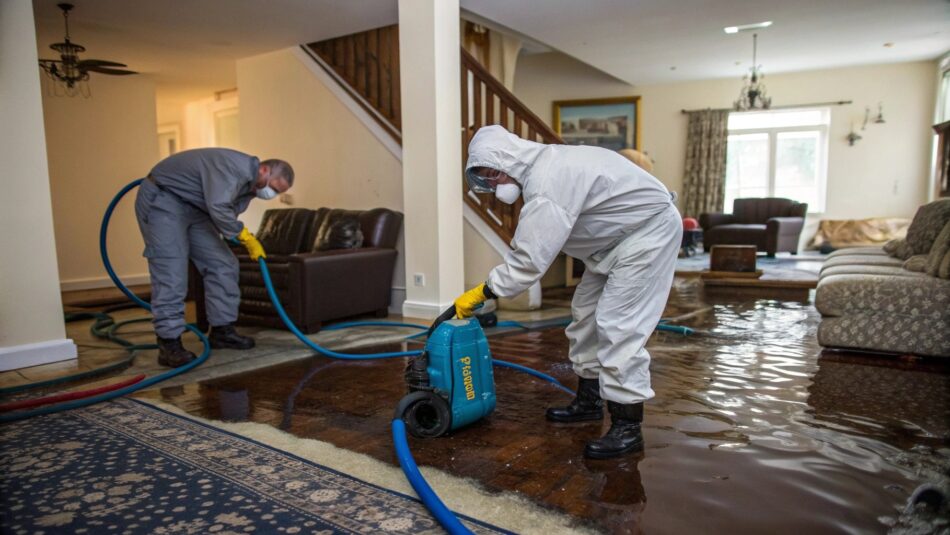
When disaster strikes a home or business, it rarely arrives in a neatly packaged, single-problem form. A burst pipe can cause water damage that triggers mold growth, while a kitchen fire may lead to smoke infiltration and sprinkler flooding. In these complex situations, property owners need a specialized approach that addresses multiple issues at once.
This is where water, mold, and fire repair services come in a coordinated process that ensures every form of damage is identified, treated, and prevented from causing further harm. Professional restoration experts bring technical skill, industry-standard equipment, and a systematic plan to get a property safe and habitable again.
Understanding the Complexity of Multi-Damage Restoration
When a property suffers from a disaster, the damage often extends beyond a single cause. A small kitchen fire can lead to smoke infiltration and water damage from extinguishing efforts. Likewise, flooding can trigger mold growth within days. These situations require more than basic repairs — they demand a coordinated, expert-driven approach. That’s where water mold fire restoration services come in, offering a comprehensive solution that tackles all forms of damage at once, ensuring your home or business is restored to a safe, functional, and comfortable state.
Step 1: Emergency Assessment and Safety Measures
The first step is a thorough inspection of the affected property. Restoration teams use moisture meters, infrared cameras, and air quality tests to assess the full scope of the problem. Safety is a priority — they check for structural instability, electrical hazards, and air contamination from mold spores or smoke particles.
Once the site is deemed safe to enter, professionals create a step-by-step recovery plan tailored to the property’s unique conditions.
Step 2: Water Damage Mitigation
Water damage is often the root cause that compounds other issues. Experts focus on removing standing water quickly to prevent further structural deterioration and mold growth.
Techniques include:
- Water extraction: Using industrial pumps and wet vacuums.
- Drying and dehumidification: Large-scale fans and desiccant dehumidifiers remove excess moisture from walls, floors, and furniture.
- Material removal: Severely damaged drywall, insulation, or carpet is discarded to prevent future contamination.
The goal is to completely dry the property and stop hidden moisture from creating long-term problems.
Step 3: Mold Remediation
Mold can begin growing within 24–48 hours after water exposure. Left untreated, it can spread rapidly and cause health issues such as respiratory problems and allergies. Restoration teams follow strict mold remediation protocols:
- Containment: Plastic sheeting and negative air machines prevent spores from spreading.
- Air filtration: HEPA filters trap mold spores and other airborne contaminants.
- Removal & cleaning: Non-salvageable materials are disposed of, while salvageable ones are cleaned with antimicrobial solutions.
- Restoration & prevention: Dehumidifiers keep indoor humidity levels under control to prevent regrowth.
Step 4: Fire and Smoke Damage Repair
Fire damage isn’t just about burned structures — smoke and soot can infiltrate walls, ceilings, and HVAC systems. Restoration experts tackle this stage with:
- Soot removal: Specialized vacuums and sponges remove residue without spreading it.
- Odor neutralization: Ozone generators and thermal fogging eliminate stubborn smoke smells.
- Structural repairs: Damaged framing, drywall, and roofing are replaced or reinforced.
This stage restores the property’s appearance and indoor air quality.
Step 5: Comprehensive Property Restoration
Once all hazards are addressed, the focus shifts to returning the property to its pre-loss condition — or even improving it. This may include:
- Painting and finishing work
- Flooring replacement
- Cabinet and fixture installation
- Final cleaning and sanitization
By integrating all three restoration services into one workflow, experts save property owners time, money, and stress.
Why Hiring Professionals Matters
While DIY solutions might seem cost-effective, dealing with water, mold, and fire damage requires specialized knowledge and equipment. Professionals not only restore the property but also help with insurance documentation, ensuring a smoother claims process. Additionally, their work is guided by the IICRC (Institute of Inspection, Cleaning and Restoration Certification) standards, which guarantee quality and safety.
Conclusion
Dealing with multiple types of property damage can be overwhelming, but professional restoration experts have the training and tools to handle water, mold, and fire damage in a streamlined, effective process. From assessment to final touches, they work to protect your health, restore structural integrity, and prevent future issues. Whether the disaster is caused by a storm, accident, or mechanical failure, property damage restoration done by qualified specialists ensures your home or business can recover quickly and safely.
FAQs
1. How long does water mold fire restoration take?
A. It can take anywhere from a few days to several weeks, depending on the severity of the damage.
2. Will insurance cover restoration costs?
A. Most homeowner and business insurance policies cover restoration after water, mold, or fire damage, but coverage varies.
3. Can I stay in my home during restoration?
A. It depends on the extent of the damage and safety risks. In some cases, temporary relocation is recommended



