 WhatsApp Us Now
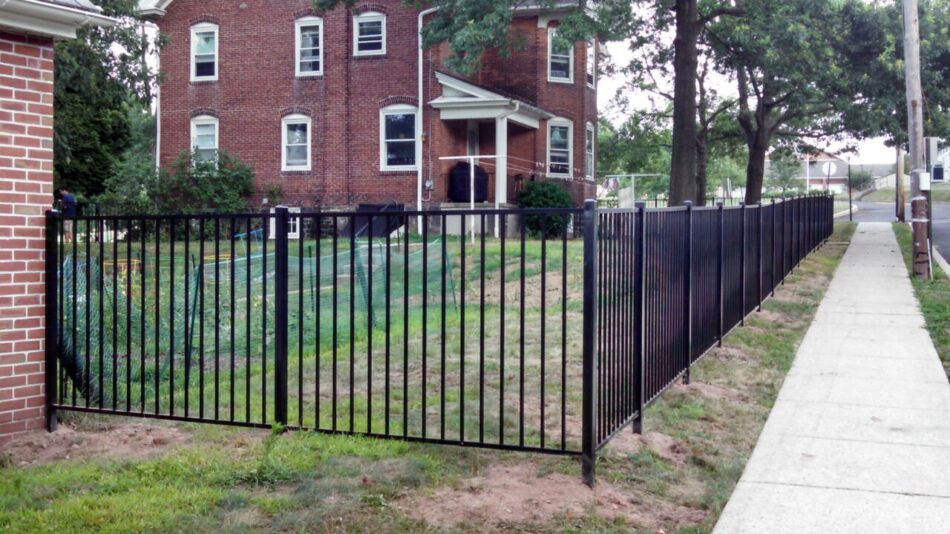
The first step to making sure your inground pool is safe is to learn how to follow the rules for fences for inground pools in your area. These rules are there to keep people safe, especially kids and dogs. If you don’t follow them, you could get fined or be held more responsible. Local laws on pool enclosures are different in each city, county, and state. So, it’s important to learn about the requirements that apply to your area. Following these rules can not only keep you safe, but they can also keep your property safe and give you peace of mind that your pool area is safe.

Understanding Local Requirements
Local rules for fences around inground pools frequently say how tall they should be, what materials they should be made of, and how the gate should work. The most usual rule is that the fence must be at least four feet high, however some places need higher fences. Some laws say that fences must be built in a way that makes it hard to climb them, which means that materials may also be restricted. Some places require that there be no more than four inches between vertical bars or panels so that kids can’t squeeze through. Before putting up a fence, you should check with your local building or zoning department to make sure you know exactly what you need to do to follow the rules.
Gate Requirements and Self-Closing Mechanisms
A very important part of following the rules for fences around inground pools is putting in safe gates. Many local laws say that gates must be able to close and latch on their own and be high enough so little children can’t reach them. Some places also require the latch to be on the pool side of the gate, which makes it much safer. Installing a gate correctly is not only the law, but it is also a basic safety measure. Local authorities may not consider a fence safe if it doesn’t have suitable gates.
Materials and Design Considerations
When choosing fences for inground pools, you need to find a balance between how they look and how well they work. Aluminum, steel, vinyl, and sometimes wood are common materials. Codes may say how strong, resistant to corrosion, and spaced apart panels or slats should be. It is typically best to choose clear or see-through patterns so that the pool is still visible. This makes it easier to keep an eye on kids or guests. Even the distance between decorative pieces might effect compliance, so it’s important to design carefully. Working with an economical fence manufacturer can help you find designs that are safe and fit your budget.
Permits and Inspections
Following local codes isn’t just about the installation. Most places need you to get a permission before you can build fences around inground pools. The process of getting a permit makes sure that your planned fence design follows all the rules. After the installation is finished, inspections may be done to make sure that the height, material, and gate requirements have been met. If you don’t do this step, you could get fined or have to repair parts of your fence that don’t meet the rules. Working with professionals who know the local rules can make getting a permit and having an inspection easier. This will make sure that your pool area is safe and legal.

Maintenance and Long-Term Compliance
Even once they are put up, it is still your job to make sure that your fences for inground pools are up to code. Gates can sag, latches can come free, and materials can wear out over time. Regular checks and repairs make sure that your fence stays up to code with local safety rules. You can keep your fence safe and legal by doing simple things like tightening screws, oiling hinges, and inspecting for damage. Hiring a reliable and affordable fence company to do regular maintenance can be a good strategy to protect both your pool and your money.
Safety Beyond Compliance
Local codes set a minimum requirement, but you can lower the hazards around your pool even more by taking extra safety steps. Adding things like pool alarms, lights that detect motion, or extra obstacles inside your fence can make it safer. It’s also a good idea to teach family and friends about pool safety, making sure they know that fences are only one aspect of a complete safety plan. In the end, putting up appropriate fencing around your inground pool and taking other safety measures makes the area around your pool safer for everyone who uses it.
Conclusion
To follow local codes for fences around inground pools, you need to pay attention to details like knowing the height and material requirements, making sure the gates are secure, and keeping up with safety standards. Following the rules means getting the right permits, having regular inspections, and doing regular maintenance. Adding extra safety measures can make things even safer. You can make sure that your pool area is secure, legal, and fun for everyone by carefully planning your fence installation and using a fence provider that knows what they’re doing and is reasonable. Putting safety and following the rules first not only keeps your loved ones safe, but it also makes your pool area more valuable and enjoyable.


