 WhatsApp Us Now
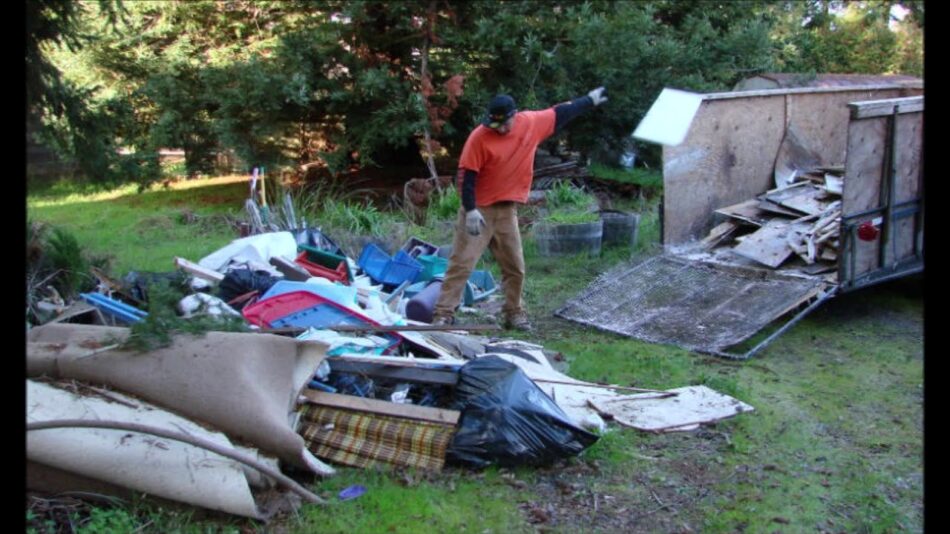
In our modern society, debris seems to be everywhere from renovation leftovers and yard clippings to old furniture and accumulated clutter. That’s precisely where a professional debris removal service plays a key role, and, when done right, it becomes a powerful contributor to environmental sustainability. At Explicit Junk Services in Baytown TX, we don’t just haul away unwanted items we do it responsibly, leveraging our garbage collection service, waste management service, junk removal, estate cleanouts, hoarder cleanouts, commercial junk removal, and residential junk removal offerings to minimize environmental impact.
In this article, we’ll explore how a debris removal service supports the environment in multiple ways, drawing on eco‑friendly practices, regulatory awareness, and a commitment to reuse, recycling, and responsible disposal. The content is grounded in experience, expertise, and trust exactly what homeowners, businesses, and communities need when choosing a cleanup partner.
Reducing Landfill Pressure Through Responsible Collection
One of the most immediate environmental benefits of a well-managed debris removal service is the diversion of waste from landfills. Instead of simply transporting all collected materials to a dump site, professional services sort and segregate: recyclable metals, plastics, glass, and electronics are separated from general waste. This kind of waste management service reduces the volume of debris destined for landfill.
By minimizing landfill dependence, debris removal helps limit harmful methane emissions. When organic waste ends up in landfills, anaerobic decomposition produces methane, a potent greenhouse gas. Proper sorting and diversion mean less organic matter is buried under layers of compacted garbage, helping curb these emissions.
Promoting Recycling, Reuse, and the Circular Economy
Debris removal isn’t just about throwing things away it’s about reclaiming value. Many removal companies work in partnership with recycling centers and donation organizations. Through this model, items that are still usable such as furniture, appliances, or clothing are given a second life.
Metals like steel or aluminum recovered during cleanouts can be melted down and repurposed. Glass and certain plastics too can be recycled efficiently. This process conserves raw materials, reduces resource extraction, and supports a circular economy where waste becomes an input for future production.
Safe Handling of Hazardous Materials
Not all debris is benign. Electronics, batteries, paint cans, and other household or construction waste may contain harmful substances. When these are dumped improperly, they threaten soil and groundwater quality.
A professional debris removal company is trained to identify, segregate, and dispose of hazardous materials safely. This reduces environmental risk and ensures such items don’t leach toxins into ecosystems.
Energy Savings and Carbon Footprint Reduction
Recycling materials saves significant energy compared to manufacturing from virgin resources. For example, recycling metals requires less processing and energy than extracting and refining new ore.
In addition, when debris removal companies plan their routes efficiently and minimize unnecessary trips they reduce the carbon emissions associated with transport. Some services even use fuel-efficient or low-emission vehicles. Over time, these practices add up and contribute to a lower overall carbon footprint.
Supporting Local Community and Charitable Causes
Debris removal services often partner with donation centers, community organizations, and non-profits. Rather than discarding items that still function or have value, they donate usable goods to charities. This not only prevents waste but also supports those in need, giving furniture, appliances, or clothes a new life.
These charitable partnerships strengthen community bonds and reflect a business’s commitment to social responsibility a core part of trustworthiness and long-term expertise.
Encouraging Residents to Act More Sustainably
When communities see debris removal done responsibly, they often become more conscious of their own waste habits. A company that promotes recycling, reuse, and donation helps raise public awareness about sustainable behavior. Over time, homeowners and businesses begin to reduce consumption, sort recyclables, and avoid unnecessary waste.
This shift supports a broader zero‑waste mindset, where people view materials as resources rather than disposable items.
Restoring and Revitalizing Spaces
Debris removal helps reclaim spaces that are cluttered, abandoned, or degraded. Through estate cleanouts or hoarder cleanouts, junk, structural waste, and neglected objects are removed, making way for renovation, reuse, or redevelopment.
In larger projects like building deconstruction, salvageable materials are carefully dismantled and repurposed instead of destroyed, supporting sustainability and reducing the demand for fresh raw materials.
Enhancing Environmental Health and Public Safety
When debris is left unmanaged, it can degrade local ecosystems, pollute soil and water, and harbor pests. Professional removal stops that cycle. By extracting hazardous or decaying material, service providers help maintain clean neighborhoods, reduce contamination, and protect biodiversity.
Moreover, reducing clutter decreases risks associated with fire, vermin, or standing water contributing to safer communities.
Creating Green Jobs and Supporting the Economy
Eco‑conscious debris removal services generate roles in hauling, sorting, recycling, reuse, and donation operations. By investing in local recycling infrastructure and donating usable items, these companies also reinforce community economies.
These job opportunities strengthen trust and credibility: when customers know their debris removal company cares about both environmental and social outcomes, it boosts the company’s authority and reputation.
Building Trust Through Transparency and Accountability
For a debris removal service to be truly environmentally effective, transparency is essential. A trustworthy company should explain where materials go, how they are processed, and what percent gets recycled or donated.
Providers that publish their environmental metrics or recycling rates, maintain local recycling partnerships, and follow state and federal waste regulations show real expertise and authority. Clients of Explicit Junk Services in Baytown TX benefit from that commitment we provide clear reporting, proper disposal methods, and sustainable options in all our services, including residential junk removal and commercial junk removal.
Conclusion
A professional debris removal service is far more than a convenience it’s an environmental ally. By diverting waste from landfills, recycling valuable materials, safely handling hazardous items, and supporting community reuse and donation, these services play a major role in sustainability. Through our expert waste management service, garbage collection service, junk removal, estate cleanouts, hoarder cleanouts, commercial junk removal, and residential junk removal, Explicit Junk Services in Baytown TX combines local knowledge with deep environmental responsibility.
When you partner with a trustworthy junk‑removal provider, you contribute to a cleaner planet, healthier neighborhoods, and a circular economy that values materials over disposal. That’s not just good business it’s expert stewardship.
Frequently Asked Questions
Q: How much of my debris actually gets recycled?
A: It depends on the company. Transparent, eco‑focused services often recycle a significant share metals, glass, wood, and electronics can be separated out efficiently. You can ask for their diversion rate.
Q: Is it more expensive to hire an eco‑friendly debris removal service?
A: Sometimes it’s slightly higher, but many clients find the environmental benefits and long‑term savings (through reuse, donation, and lower tipping fees) outweigh the cost. Plus, some items donated may offer tax advantages.
Q: What happens to mattresses, furniture, or appliances after pickup?
A: Many debris removal services refurbish or donate usable items. Mattresses may be recycled, and electronics can be sent to certified e‑waste recyclers. Good companies avoid just sending everything to the landfill.
Q: Do I need to sort my items before the crew arrives?
A: Yes if possible, pre‑sorting helps. Separating recyclables, electronics, and general trash not only speeds up the job but ensures more items get diverted. And it aligns with sustainable practices.
Q: Can removal services handle hazardous materials?
A: Yes, but only if they are properly licensed. Hazardous waste (like batteries, paint, or solvents) requires special treatment. Always confirm that your provider adheres to legal disposal standards.


