 WhatsApp Us Now
Facial hair plays an important role in defining masculine features and personal style. For many men, patchy or uneven mustache growth can affect confidence and make grooming more challenging. Mustache Hair Transplant in Dubai has become a popular solution for individuals seeking a fuller, more balanced mustache with natural-looking results. This advanced procedure helps restore missing hair by using healthy hair follicles from another area of the body, creating a symmetrical appearance that blends naturally with existing facial hair.
Why Does Uneven Mustache Growth Happen?
Uneven mustache growth can develop for several reasons, and understanding the cause is the first step toward finding the right solution. Some people naturally have sparse facial hair due to genetics, while others experience hair loss because of injury, burns, acne scars, or previous surgical procedures.
Other common factors include:
- Hormonal changes
- Genetic predisposition
- Skin trauma
- Poor hair follicle development
- Certain medical conditions
Regardless of the cause, modern hair restoration techniques can effectively fill gaps and improve overall facial hair density by transplanting healthy follicles into thin areas.
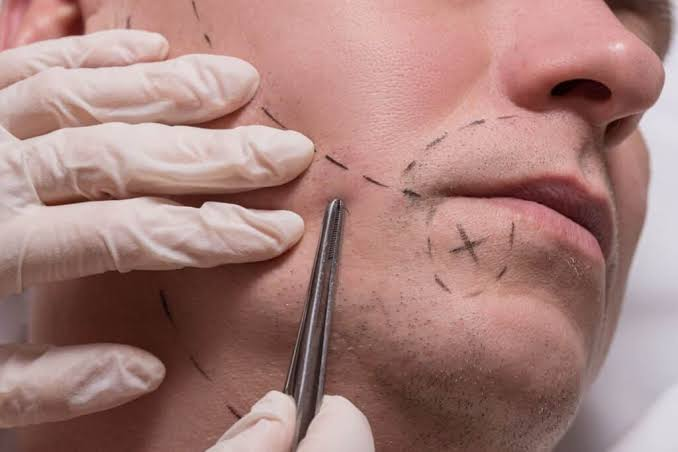
How Does a Mustache Hair Transplant Work?
A mustache hair transplant is a minimally invasive procedure that involves harvesting healthy hair follicles, usually from the back of the scalp, where hair is genetically resistant to shedding. These follicles are then carefully implanted into areas with little or no mustache growth.
The transplanted hairs are placed according to the natural direction and angle of facial hair growth. This careful planning allows the new hairs to blend seamlessly with the existing mustache, creating a realistic and aesthetically pleasing appearance.
Because the transplanted follicles continue growing like normal facial hair, they can be trimmed, shaved, and styled just like the rest of the mustache.
How Does It Correct Patchy and Uneven Growth?
Patchy mustache growth often creates an imbalanced facial appearance. Some areas may appear thick while others remain sparse or completely hairless. Hair transplantation addresses these inconsistencies by strategically placing follicles where additional density is needed.
Instead of simply adding more hair, the procedure focuses on achieving harmony across the entire mustache. Experienced planning ensures that both sides match naturally, improving facial symmetry while maintaining an authentic appearance.
Small gaps, uneven borders, and irregular growth patterns can all be corrected without making the mustache look artificial.
Who Can Benefit from This Procedure?
Many individuals choose this treatment for cosmetic improvement, while others seek restoration after hair loss caused by trauma or medical conditions.
You may benefit if you have:
- Naturally thin mustache hair
- Uneven facial hair growth
- Visible patches
- Scar-related hair loss
- Difficulty growing a complete mustache
- A desire for improved facial symmetry
People with healthy donor hair generally achieve excellent results because sufficient follicles are available for transplantation.
Benefits of Mustache Hair Transplant
One of the biggest advantages of this procedure is its ability to create long-lasting, natural-looking facial hair. At Dynamic life clinic, personalized treatment planning helps patients achieve results that complement their facial features and grooming preferences.
Some notable benefits include:
- Permanent improvement in mustache density
- Natural hair growth patterns
- Better facial symmetry
- Improved confidence
- Custom-designed mustache shape
- Minimal scarring
- Easy maintenance after healing
- Ability to shave and style normally
Each treatment plan is designed according to individual facial structure, hair texture, and aesthetic goals, ensuring a customized outcome.
What Happens During Recovery?
Recovery after a mustache hair transplant is generally straightforward. Mild redness, slight swelling, and tiny scabs around the implanted follicles are common during the first several days.
Patients are usually advised to avoid touching the treated area while the newly implanted follicles settle into their new location. Gentle cleansing and following proper aftercare instructions support healthy healing.
Within a few weeks, the transplanted hairs often shed as part of the normal growth cycle. This temporary phase is expected because the follicles remain healthy beneath the skin and begin producing new hair over the following months.
As growth continues, the new mustache gradually becomes thicker and more evenly distributed.
How Long Does It Take to See Results?
Patience is an important part of the hair restoration journey. Since hair grows gradually, noticeable improvements appear over time rather than immediately.
A typical timeline includes:
- Initial healing during the first few weeks.
- Temporary shedding of transplanted hairs.
- New hair growth beginning after several months.
- Increasing density throughout the following months.
- Full maturation of the transplanted hairs as they continue growing naturally.
Every individual heals differently, and the final appearance depends on natural hair growth cycles and proper post-procedure care.
Can the Results Look Natural?
One of the most common concerns is whether a transplanted mustache will appear authentic. Modern transplantation techniques are specifically designed to replicate natural facial hair growth.
Hair follicles are implanted one by one while considering:
- Hair direction
- Growth angle
- Hair density
- Facial proportions
- Existing mustache pattern
These details create a result that is difficult to distinguish from naturally growing facial hair. As the transplanted hairs mature, they continue growing permanently and can be groomed according to personal style preferences.
Maintaining Your New Mustache
Once healing is complete and new growth becomes established, caring for the transplanted mustache is similar to maintaining natural facial hair.
Regular grooming includes trimming, washing, brushing, and moisturizing the surrounding skin. Healthy nutrition, hydration, and good skincare habits also contribute to maintaining the appearance of the transplanted hair.
Avoiding unnecessary trauma to the facial area during the healing period helps protect the newly implanted follicles and encourages successful growth.
Conclusion
Uneven mustache growth no longer has to limit your appearance or confidence. Hair transplantation offers a reliable way to restore balance, improve density, and create a fuller, natural-looking mustache that suits your facial features. Whether the uneven growth is caused by genetics, scars, or naturally sparse hair, this advanced procedure provides long-term improvement with realistic results. Choosing a Mustache Hair Transplant allows individuals to enjoy permanent facial hair growth that looks natural, feels authentic, and can be styled just like their original mustache.


