 WhatsApp Us Now

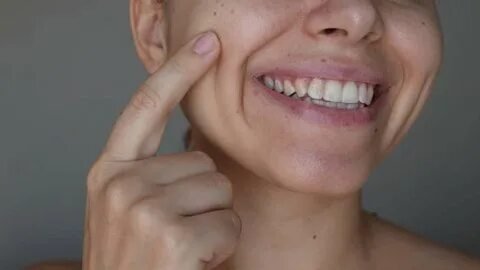
Facial harmony is often associated with how different features complement one another rather than with any single characteristic. For people who naturally admire the soft, playful appearance of cheek dimples, Dimple Creation Surgery in Dubai may be an option to consider when exploring ways to add subtle definition to the face. Dimples can introduce a distinctive detail to the cheeks while complementing existing facial features. Understanding how they may relate to overall facial balance can help individuals decide whether this aesthetic preference suits their appearance and personal style.
Understanding Facial Harmony and Cheek Dimples
Facial harmony refers to the visual relationship between features such as the cheeks, lips, chin, jawline, and overall facial contours. It does not mean that every feature needs to appear identical or follow a particular standard. Instead, harmony is often connected with how naturally the individual elements appear to work together.
Cheek dimples can become a noticeable facial detail, particularly when smiling. Their presence may give the cheeks additional character and create a softer visual impression. For some individuals, this small feature can complement the natural shape of the face without becoming the dominant characteristic.
How Can Dimples Complement Facial Features?
The cheeks occupy an important position in facial appearance. When a person smiles, changes in cheek contours can influence the way the surrounding features are perceived. Adding a dimple as an aesthetic characteristic may therefore provide another point of visual interest.
- Cheek structure: The natural contour of the cheeks can influence how a dimple fits within the overall facial appearance.
- Smile shape: Because dimples are commonly associated with smiling, their placement can be considered alongside the individual’s natural smile.
- Facial proportions: The relationship between the cheeks, lips, chin, and jaw can influence whether a dimple appears visually balanced.
- Personal expression: A dimple may add a distinctive quality to expressions without changing the identity of the face.
Creating a More Distinctive Facial Character
Facial harmony does not necessarily mean minimizing unique characteristics. In many cases, individuality can contribute to an appealing and recognizable appearance. Dimples may provide one such characteristic.
For individuals who appreciate the youthful or friendly character commonly associated with cheek dimples, this feature can become an intentional part of their aesthetic preferences. Rather than altering several facial characteristics, the focus may remain on introducing a specific detail that complements the existing appearance.
Why Natural-Looking Balance Matters
When considering any facial aesthetic change, maintaining a sense of individuality can be important. A dimple should be viewed as part of the broader facial composition rather than as an isolated feature.
- The natural width and contour of the cheeks
- The relationship between the cheeks and lower face
- The individual’s usual facial expressions
- Whether the desired aesthetic feels consistent with their existing appearance
Dimples and Facial Expression
One reason cheek dimples are often considered appealing is their association with facial expression. They can become particularly noticeable during smiling, making them connected with moments of happiness and warmth.
This expressive quality may contribute to the perception of facial harmony by adding another subtle characteristic to the cheeks. At the same time, their visual importance can vary depending on whether the face is relaxed, smiling, or making another expression.
Considering Individual Facial Characteristics
Every face has its own combination of contours, proportions, and expressions. Consequently, dimple preferences should be considered within the context of the individual’s facial characteristics rather than according to a universal standard.
Someone with fuller cheeks may perceive dimples differently from someone with more defined facial contours. Similarly, the appearance of a dimple can interact visually with the shape of the smile and surrounding features. This makes personal aesthetic goals an important part of deciding whether cheek dimples align with an individual’s preferred facial character.
A Subtle Feature With Personal Appeal
Dimples are relatively small facial characteristics, yet they can influence how a smile and cheek area are perceived. Their appeal often comes from their ability to add individuality without requiring attention to numerous facial features.
For people who have long admired natural dimples, incorporating this characteristic into their aesthetic preferences may feel like a way of expressing personality. The emphasis remains on facial character and balance rather than on pursuing a particular universal definition of beauty.
Final Thoughts
Dimple creation can be considered as an aesthetic choice for individuals who appreciate the distinctive appearance of cheek dimples and want this feature to complement their existing facial characteristics. Facial harmony involves the relationship between multiple features, expressions, and proportions, so the appeal of dimples can differ from person to person. By considering cheek contours, smile characteristics, facial proportions, and personal preferences together, individuals can develop a clearer understanding of how this distinctive feature may fit their overall facial aesthetic.


