 WhatsApp Us Now
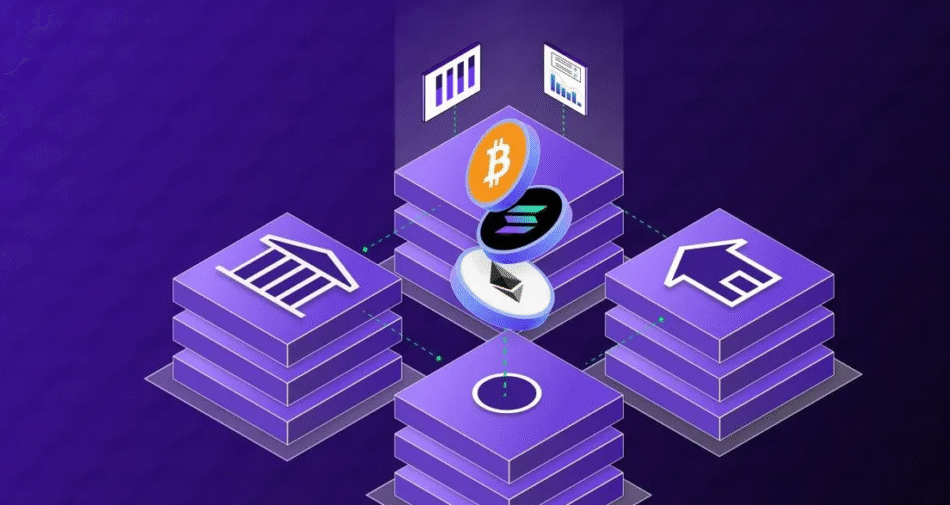
Imagine owning a fraction of a luxury mansion in Miami, a piece of fine art hanging in Paris, or shares in a multimillion-dollar infrastructure project without needing millions in your bank account. This futuristic vision is no longer science fiction but a reality powered by blockchain technology. At the heart of this revolution is the rise of asset tokenization platforms, reshaping how investors, businesses, and even individuals view ownership and accessibility to high-value assets.
In this blog, we’ll explore how blockchain drives the growth of asset tokenization, the opportunities it creates, the industries benefiting from it, and why businesses are racing to adopt it.
What Is Asset Tokenization and Why Does It Matter?
Asset tokenization is the process of converting ownership rights of real-world assets such as real estate, commodities, stocks, artwork, or even intellectual property into digital tokens stored and traded on a blockchain. Each token represents a share of the underlying asset, providing fractional ownership, greater liquidity, and simplified transactions.
The demand for asset tokenization platform development is booming as enterprises look to unlock liquidity, reduce barriers to entry for investors, and streamline cross-border transactions. Blockchain ensures transparency, security, and trust features that traditional financial systems often struggle to provide at scale.
The Role of Blockchain in Asset Tokenization
Blockchain isn’t just the backbone of cryptocurrencies; it’s the game-changer for asset tokenization. Here’s why:
- Immutability and Transparency
Blockchain ensures that every ownership record is tamper-proof. Once registered, no one can alter the data, providing unparalleled trust in asset ownership. - Smart Contracts
Automated contracts govern transactions, ensuring rules are executed without middlemen. For example, dividend distributions for tokenized shares can be executed seamlessly through smart contracts. - Liquidity Creation
Illiquid assets like luxury real estate or fine art can now be fractionalized and sold on global marketplaces, making them liquid and accessible to a wider investor base. - Global Accessibility
Anyone with internet access can invest in tokenized assets, reducing geographical and financial restrictions. - Cost Efficiency
By eliminating intermediaries such as brokers or notaries, blockchain lowers transaction costs significantly. Businesses are increasingly evaluating asset tokenization platform development cost to weigh the long-term savings versus traditional systems.
Asset Tokenization Platform Development Cost: What Businesses Need to Know
When enterprises consider tokenizing assets, one of the first questions is cost. Building a robust asset tokenization platform involves multiple factors:
- Core Features: KYC/AML compliance, multi-currency wallets, smart contract automation, and investor dashboards.
- Blockchain Network: Costs vary depending on whether the platform uses Ethereum, Polygon, Hyperledger, or private blockchains.
- Regulatory Compliance: Meeting jurisdictional requirements is critical and can significantly impact cost.
- Security Measures: Advanced encryption, fraud detection, and secure APIs are essential to safeguard investor assets.
- Customization Level: A white-label solution may be cost-effective, but a fully customized platform with advanced features will demand higher investment.
On average, asset tokenization platform development cost can range from $80,000 to several hundred thousand dollars, depending on scope, compliance, and scalability requirements. However, the return on investment (ROI) from liquidity, global investor participation, and reduced operational overhead often outweighs the initial cost.
Benefits of Asset Tokenization for Businesses and Investors
- Enhanced Liquidity
Fractional ownership means assets like real estate or art can be divided into smaller tokens, enabling faster transactions. - Democratized Access
Small investors can now access high-value investments previously available only to institutional players. - Faster Settlements
Blockchain-based transactions reduce settlement times from days to minutes. - Reduced Costs
Eliminating intermediaries like brokers, custodians, and clearinghouses cuts expenses. - Global Reach
Businesses can attract investors from around the world without complex cross-border restrictions.
Industries Disrupted by Asset Tokenization
1. Real Estate
The real estate market is leading the adoption curve. From luxury condos to commercial towers, tokenization allows investors to buy fractions of properties and trade them like stocks.
2. Art and Collectibles
Owning a masterpiece no longer requires millions. Platforms now allow fractional ownership of fine art, making investment more accessible.
3. Commodities
Gold, oil, and agricultural commodities can be tokenized, enabling efficient trading and hedging strategies.
4. Private Equity and Venture Capital
Tokenization increases liquidity for shares in startups, making early-stage investments tradable in secondary markets.
5. Financial Services
The best tokenization platform for financial services integrates compliance, security, and liquidity management, giving institutions a new way to handle assets. Banks, hedge funds, and investment firms are increasingly relying on tokenization platforms to modernize operations and enhance returns.
Why Asset Tokenization Is the Future of Investment
- Millennial and Gen Z Investors: Digital-native generations prefer fractional, transparent, and globally accessible investments.
- Globalization of Markets: Tokenization removes geographical barriers, creating truly global markets.
- Blockchain Maturity: With advancements in scalability and interoperability, blockchain networks are now ready for enterprise-grade tokenization.
- Regulatory Support: Governments and regulators are slowly embracing tokenized assets, laying frameworks for compliance and investor protection.
Challenges Facing Asset Tokenization Platforms
- Regulatory Uncertainty: Different jurisdictions have varying rules on digital securities.
- Market Adoption: While adoption is growing, mainstream awareness is still limited.
- Technology Risks: Security breaches or poorly written smart contracts can undermine trust.
- Liquidity Management: Ensuring constant buyers and sellers on tokenized asset exchanges is crucial.
Real Estate: The Flagbearer of Tokenization
Real estate remains the biggest and most lucrative sector for tokenization. From commercial buildings in New York to luxury villas in Dubai, investors worldwide can own a fraction of high-value properties.
Working with a real estate tokenization development company enables businesses to build compliant, secure, and investor-friendly platforms tailored for real estate markets. These companies help with everything from blockchain integration to legal compliance, making the tokenization journey smoother for property developers and investors.
The Road Ahead: Blockchain and Tokenization in 2025 and Beyond
The momentum behind asset tokenization shows no signs of slowing. By 2030, experts predict the market for tokenized assets could reach trillions of dollars. Blockchain is no longer just a niche technology; it’s becoming the standard infrastructure for digital asset ownership.
Emerging trends include:
- Cross-Chain Interoperability: Seamless transfer of assets across multiple blockchains.
- Integration With DeFi: Tokenized assets being used as collateral for lending, borrowing, and yield farming.
- Institutional Adoption: Banks and financial giants launching in-house tokenization platforms.
- AI and Automation: Artificial intelligence optimizing tokenized asset management and investor profiling.
Conclusion
The convergence of blockchain and asset tokenization is transforming global markets. By turning illiquid, high-value assets into tradeable digital tokens, businesses unlock unprecedented opportunities for liquidity, inclusivity, and efficiency.
Whether it’s fine art, luxury properties, or private equity, tokenization is democratizing access and reshaping how we think about ownership. For companies, investing in asset tokenization platform development isn’t just about technology it’s about positioning themselves at the forefront of the financial revolution.
As industries evolve, those who embrace tokenization today will shape the investment landscape of tomorrow.


