 WhatsApp Us Now
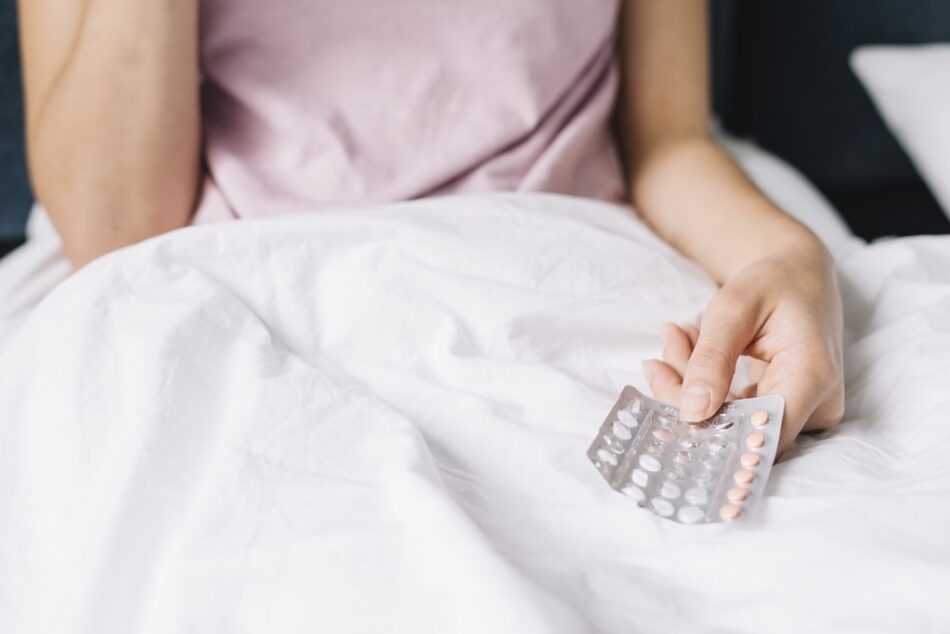
Birth control pills remain one of the most popular contraceptive methods worldwide, used by millions of women to prevent pregnancy and manage various health conditions. While these small tablets are highly effective, many women don’t fully understand how they work or the complex ways they interact with their body’s natural systems.
Understanding how birth control pills affect your hormones and overall health is crucial for making informed decisions about your reproductive care. This comprehensive guide explores the mechanisms behind hormonal contraception, its effects on your body, and what you can expect when starting or stopping the pill.
Whether you’re considering starting birth control pills for the first time or have been taking them for years, this information will help you better understand what’s happening inside your body and how to navigate any changes you might experience.
How Birth Control Pills Work
Birth control pills contain synthetic versions of the hormones estrogen and progesterone (called progestin in synthetic form). Most combination pills include both hormones, while progestin-only pills (often called mini-pills) contain just synthetic progesterone.
These synthetic hormones work by mimicking and overriding your body’s natural hormonal cycle. They prevent ovulation by sending signals to your brain that trick it into thinking you’re already pregnant or that your hormone levels don’t require the release of an egg.
The pill also thickens cervical mucus, making it harder for sperm to reach an egg, and thins the uterine lining, reducing the likelihood of a fertilized egg implanting. This triple mechanism makes birth control pills over 99% effective when used perfectly.
Effects on Your Hormonal System
Suppression of Natural Hormone Production
When you take birth control pills, your body essentially goes on hormonal autopilot. Your ovaries stop producing their natural amounts of estrogen and progesterone because the synthetic hormones in the pill maintain steady levels in your bloodstream.
This suppression affects the hypothalamic-pituitary-ovarian axis—the communication system between your brain and reproductive organs. Your hypothalamus stops releasing gonadotropin-releasing hormone (GnRH), which normally signals your pituitary gland to produce follicle-stimulating hormone (FSH) and luteinizing hormone (LH).
Changes in Hormone Levels
The synthetic hormones in birth control pills create different patterns than your natural cycle. Instead of the rising and falling hormone levels that characterize a normal menstrual cycle, the pill maintains relatively steady hormone levels for three weeks, followed by a hormone-free week that triggers withdrawal bleeding.
This steady state can affect various body systems that rely on hormonal fluctuations, including mood regulation, metabolism, and even sexual desire.
Physical Effects on Your Body
Menstrual Changes
One of the most noticeable effects of birth control pills is changes to your menstrual cycle. Many women experience lighter, shorter, and more predictable periods while on the pill. Some may experience breakthrough bleeding between periods, especially during the first few months of use.
The “period” you have while on birth control pills isn’t actually a true menstrual period—it’s withdrawal bleeding caused by the drop in synthetic hormones during the placebo week. This is why some healthcare providers recommend skipping the placebo pills to avoid unnecessary bleeding altogether.
Weight and Metabolism
Many women worry about weight gain from birth control pills, though research shows that significant weight gain directly caused by the pill is uncommon. Some women may experience mild weight fluctuations due to water retention or changes in appetite, but these effects are typically temporary and resolve within a few months.
The pill can affect how your body processes insulin and glucose, potentially influencing metabolism. However, these changes are usually subtle and vary significantly between individuals.
Skin and Hair Changes
Birth control pills often improve acne by reducing androgen (male hormone) activity in the body. Many combination pills have anti-androgenic properties that can help clear skin and reduce excess oil production.
However, some women may experience changes in hair thickness or growth patterns. The pill can also affect sebum production, leading to either drier or oilier skin depending on the specific formulation and your individual response.
Emotional and Mental Health Effects
Mood Changes
The relationship between birth control pills and mood is complex and highly individual. Some women report improved mood stability due to reduced hormonal fluctuations, while others may experience mood swings, anxiety, or depression.
Research suggests that women with a history of depression may be more sensitive to hormonal changes caused by birth control pills. If you notice significant mood changes after starting the pill, it’s important to discuss these with your healthcare provider.
Cognitive Effects
Some studies indicate that birth control pills may influence cognitive function, including memory and spatial reasoning. These effects are generally subtle and may be related to the specific types and doses of synthetic hormones in different pill formulations.
The research on cognitive effects remains mixed, with some studies showing improvements in certain areas while others suggest minimal impact.
Long-term Considerations
Bone Health
Extended use of birth control pills may affect bone density, particularly in younger women whose bones are still developing. The synthetic hormones can interfere with peak bone mass accumulation during the late teens and twenties.
However, this effect appears to be reversible, with bone density typically returning to normal levels after discontinuing the pill.
Cardiovascular Health
Birth control pills can slightly increase the risk of blood clots, stroke, and heart attack, particularly in women who smoke, are over 35, or have other risk factors. The risk is generally low for healthy, non-smoking women under 35.
Different pill formulations carry varying levels of cardiovascular risk, which is why healthcare providers carefully evaluate individual risk factors before prescribing hormonal contraception.
Fertility After Discontinuation
Most women’s fertility returns to normal relatively quickly after stopping birth control pills. While it may take a few months for your natural hormonal cycle to fully resume, there’s no evidence that long-term pill use causes permanent fertility problems.
Some women may experience post-pill amenorrhea—a temporary absence of periods after stopping the pill—but this typically resolves within a few months.
Making Informed Decisions About Birth Control Pills
Understanding how birth control pills affect your body helps you make informed decisions about your reproductive health. Every woman’s experience with hormonal contraception is unique, influenced by factors including age, health history, lifestyle, and individual hormone sensitivity.
Work closely with your healthcare provider to find the right contraceptive method for your needs. Be honest about any side effects or concerns you experience, as there are many different pill formulations available, and what works for one person may not work for another.
Consider keeping a symptom diary during your first few months on the pill to track any changes in your body, mood, or overall well-being. This information can be valuable for your healthcare provider when adjusting your prescription or exploring alternative options.
Remember that birth control pills are just one of many contraceptive options available. If hormonal methods don’t work well for your body or lifestyle, discuss non-hormonal alternatives with your healthcare provider to find the best solution for your individual needs.



