 WhatsApp Us Now

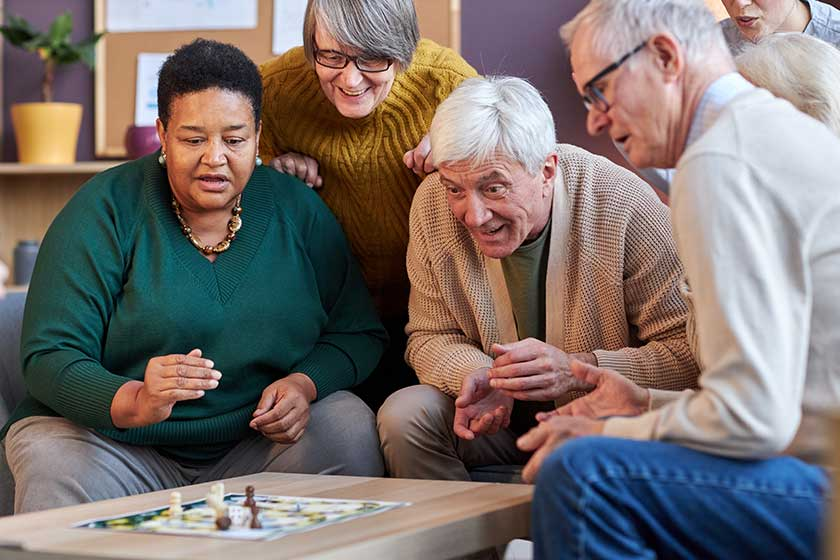
Loneliness and social isolation are among the most serious health concerns affecting older adults today. Research has consistently linked prolonged isolation to accelerated cognitive decline, increased risk of depression and anxiety, weakened immune function, and higher rates of serious illness. For seniors living alone or in environments that offer limited social opportunity, this risk is ever-present, and it can be difficult to address without a fundamental change in living situation. Assisted living socialization benefits address this problem in a direct and lasting way, creating communities where meaningful human connection is simply part of daily life and where emotional health is treated as every bit as important as physical wellbeing.
Why Isolation Becomes a Growing Risk in Later Years
Social isolation in older adults tends to develop gradually through a combination of circumstances that compound over time. Retirement removes work-based social networks that many people relied on for daily interaction. The loss of a spouse or close friends reduces the immediate social circle significantly. Physical limitations make it harder to get out and engage with the wider community. Family members may live far away or have demanding schedules that limit their availability. Driving cessation can reduce mobility and spontaneous social engagement.
Each of these factors on its own represents a challenge. Together, they can create a situation where a senior’s world becomes progressively smaller and quieter in ways that have profound consequences for their emotional and cognitive health. Senior emotional health care in an assisted living setting directly counters this trajectory by providing an environment where social connection is built into the structure of daily life rather than requiring individual effort to arrange and maintain.
Social Life as a Daily Constant
In a quality assisted living community, social opportunity is not something residents have to seek out. It surrounds them naturally as part of the community environment. Shared mealtimes bring residents together multiple times a day in a relaxed and conversational setting. Common rooms, lounges, and outdoor spaces provide casual environments where spontaneous interaction occurs organically. Organised activities, group classes, and community events create regular occasions for engagement that residents can participate in at whatever level suits their energy and preferences.
This constant, low-effort social availability is one of the most powerful assisted living emotional wellbeing benefits because it removes the barrier of logistics that so often prevents isolated seniors from connecting with others. There is no need to arrange transportation, plan ahead, or expend significant energy. The community is there, the neighbours are there, and connection happens as a natural consequence of being part of a shared living environment.
Friendships That Carry Real Meaning
The relationships that develop between residents in assisted living communities are often among the deepest and most valued of their later years. Shared life stage, shared daily experiences, and the particular empathy that comes from navigating similar challenges create the conditions for genuine friendship. Residents understand each other in ways that younger family members and friends, however loving, sometimes cannot fully replicate. The conversations that happen over meals, during activities, and in casual daily encounters carry a quality of mutual understanding that is deeply nourishing.
These friendships provide not only companionship but also a sense of purpose and belonging that is fundamental to emotional wellbeing. Knowing that others look forward to your company, that your absence is noticed, and that your presence brings something valued to the community is a form of affirmation that seniors who have lived alone often find they have been missing more than they realised.
Structured Activities That Engage Mind and Spirit
Senior socialization programs in quality assisted living communities go well beyond basic group activities. They are designed with a genuine understanding of what stimulates, engages, and fulfils older adults across a wide range of interests and abilities. Creative arts, music, gardening, discussion groups, lifelong learning programs, gentle fitness classes, spiritual gatherings, and community service projects all provide different kinds of engagement that speak to different dimensions of a person’s identity and interests.
This variety is important because emotional health is multidimensional. Social connection is essential, but so is the sense of purpose and achievement that comes from creative expression or learning something new. A well-designed activity programme addresses both, giving residents regular opportunities to feel not just connected but also capable, creative, and engaged with life in meaningful ways.
The Role of Staff Relationships in Emotional Wellbeing
The relationships that residents form with staff members are an often underappreciated dimension of the emotional health benefits of assisted living. In a quality community, staff are not simply service providers carrying out tasks. They are individuals who know their residents personally, who notice changes in mood or energy, who remember preferences and histories, and who provide the kind of warm human interaction that is genuinely sustainable.
For seniors whose social world has contracted significantly, the daily interactions with caring, attentive staff members provide a consistent source of warmth and human connection that supports emotional stability. This is not a substitute for peer friendship or family contact, but it is a meaningful and reliable layer of emotional support that contributes significantly to overall wellbeing and is one of the genuine assisted living emotional wellbeing benefits that residents consistently value.
Addressing Depression and Anxiety Through Community
Depression and anxiety are more common among older adults than many people recognize, and they are significantly under-treated in seniors living alone where the signs may go unnoticed. The community environment of assisted living creates conditions that are naturally protective against these conditions while also ensuring that when emotional difficulties do emerge, they are recognized and addressed promptly.
Regular social engagement, purposeful activity, professional staff interaction, and access to mental health support all work together to create an environment where emotional difficulties are less likely to develop and more likely to be caught and addressed early when they do. The social dimension of assisted living is not simply pleasant. It is clinically meaningful in terms of the mental health outcomes it supports for residents over time.
The Village at Eastgate: A Community That Nourishes the Whole Person
Emotional health and social connection are not secondary considerations in a well-designed assisted living community. They are central to everything that good senior care delivers. The Village at Eastgate understands this deeply, creating a community environment where every resident feels known, valued, and genuinely part of something warm and welcoming. From thoughtfully designed senior socialization programs to compassionate staff relationships and a rich community culture, The Village at Eastgate provides the emotional nourishment that every senior deserves, making each day not just safe and comfortable but genuinely meaningful and connected.


