 WhatsApp Us Now
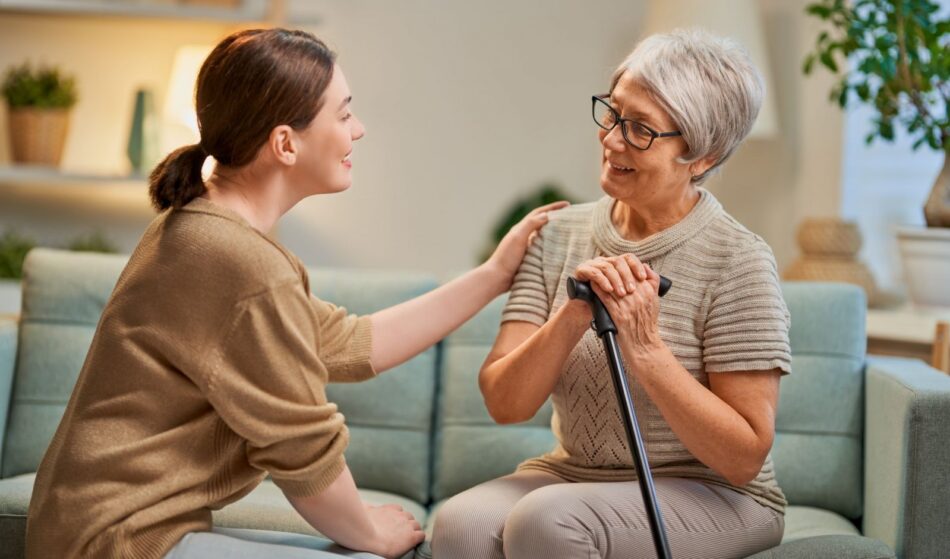
When families in Tuscaloosa begin exploring assisted living options for an aging parent or spouse, the conversation often starts in the language of safety: will they be safe? Who will be there if something goes wrong? How are medications managed? These are legitimate and important questions, and the answers matter enormously. But they address only one dimension of what assisted living can and should provide. Safety is the floor, not the ceiling. The measure of truly excellent assisted living is not merely whether a resident is protected from harm, but whether they are genuinely living well — with joy, connection, purpose, and the daily experience of being known and cared for as a whole person.
For Tuscaloosa seniors navigating the transition to assisted living, this distinction is crucial. The decision carries enough emotional weight without adding the misperception that assisted living means giving up on quality of life in exchange for security. The reality, for seniors in the right community, is precisely the opposite: assisted living frequently delivers a meaningfully higher quality of daily life than the isolated, increasingly difficult experience of aging at home without adequate support.
Daily Life Elevated: The Practical Transformation
The most immediate and tangible quality-of-life improvements that Tuscaloosa seniors experience when they transition to assisted living are practical and daily. Meals, which had often become a solitary and effortful responsibility, become a genuinely pleasurable social occasion — nutritious, well-prepared, and shared with neighbors who become friends over the shared experience of the dining room table. Housekeeping, laundry, and maintenance — tasks that consume time and physical energy that a senior could otherwise spend on more meaningful pursuits — are handled professionally. Personal care assistance, provided with dignity and sensitivity, removes the strain and safety risk of managing hygiene independently when physical limitations make it genuinely difficult.
These practical changes are not trivial. When the daily overhead of managing the logistics of life is reduced or eliminated, something opens up — time, energy, and attention that flow naturally toward the things that actually matter. The Tuscaloosa senior who was spending three hours a day on meal preparation, housekeeping, and personal care management — and doing all of it with increasing effort and declining satisfaction — suddenly has those three hours available for a walk with a friend, a creative project, a phone call with a grandchild, or simply the quiet pleasure of doing nothing in particular in a comfortable space that feels genuinely like home.
This shift also reduces physical strain and mental fatigue, allowing seniors to focus on activities that bring joy and fulfillment.
The Social Fabric of Assisted Living Life
Tuscaloosa is a community with deep social roots — a city where relationships, belonging, and the particular warmth of Southern neighborliness are not incidental but central to what makes life here genuinely good. Assisted living communities in Tuscaloosa, at their best, extend and honor this social culture rather than replacing it with something institutional and impersonal. They create environments where the rhythms of daily shared life — the common meals, the planned activities, the spontaneous conversations in hallways and common rooms — weave the kind of social fabric that sustains well-being in the most fundamental way.
This social dimension of assisted living life has consequences for Tuscaloosa seniors that extend well beyond the pleasurable. The research connecting social engagement to cognitive health, physical longevity, and emotional resilience is among the most robust in gerontological science. Seniors who are socially engaged show meaningfully slower rates of cognitive decline, lower rates of depression and anxiety, better cardiovascular outcomes, and stronger immune function than their socially isolated counterparts. When assisted living eliminates the isolation that had been gradually overtaking a senior’s life at home, it delivers health benefits that are not merely emotional but genuinely physiological.
Stronger social engagement also enhances mood, builds friendships, and creates a sense of daily belonging.
Personalized Care That Honors the Individual
Quality of life in assisted living is inseparable from the quality of care — and quality care, in the most meaningful sense, is always personal. It is built from knowledge of the individual: their history, their preferences, their personality, their sources of joy and comfort, the particular things that make them feel respected and the particular things that feel like intrusions on their dignity. A Tuscaloosa senior who spent forty years teaching high school has a different identity, different rhythms, and different sources of meaning than one who spent forty years farming or practicing medicine or raising a large family. Excellent assisted living recognizes and responds to these differences.
Individualized care planning in quality assisted living goes beyond medical data. It incorporates the whole person — their daily routine preferences, the things they care about, the ways they like to spend their time, the family relationships they want to maintain and how. When care is built around this knowledge, it feels fundamentally different from standardized, institutional care. It feels like being genuinely known — and that experience, of being seen and understood as an individual rather than processed as a resident, is one of the most powerful contributors to quality of life that any care environment can provide.
This personalized approach also strengthens trust between residents and caregivers, improving comfort and overall satisfaction.
Purposeful Days: The Activity Dimension of Quality Life
An assisted living community in Tuscaloosa that takes quality of life seriously treats its activity programming not as a scheduling exercise but as a genuine health investment. Physical activity programming — adapted fitness classes, walking groups, balance and strength training — maintains the physical function that underlies every other dimension of quality life. Creative programming gives expression to the aesthetic and imaginative dimensions of residents’ personalities. Social events build community bonds that make the environment feel like home rather than an institution. Cultural programming — music, film, arts, civic engagement — keeps residents connected to the broader life of Tuscaloosa and to the interests and values they have cultivated over a lifetime.
Devotional services and spiritual programming, which hold particular meaning in a community with Tuscaloosa’s deep faith traditions, provide the dimension of meaning and transcendence that becomes increasingly important in later life and that quality assisted living honors rather than setting aside. Together, these programming elements create days that feel genuinely purposeful — not just filled but meaningfully occupied — and that distinction is everything when it comes to the subjective experience of quality of life.
Engaging daily routines also improve mental clarity, emotional stability, and overall life satisfaction.
The Family Side of the Quality-of-Life Equation
Quality of life in assisted living is not experienced only by the resident — it is experienced by their entire family. When a Tuscaloosa family knows that their loved one is well-cared for, socially engaged, eating well, and genuinely thriving rather than merely surviving, the quality of their own daily experience changes fundamentally. The chronic anxiety that had colored every phone call and every visit is replaced by something closer to peace — not complacency or disengagement, but the genuine relief of knowing that someone you love is in good hands and living well.
This peace of mind allows families to focus on meaningful interactions rather than caregiving stress, strengthening relationships and emotional connections.
Long-Term Impact on Senior Well-Being
The improvements in daily life extend into long-term benefits for seniors.
Assisted living supports:
- Better physical health outcomes
- Stronger emotional resilience
- Reduced risk of isolation
- Improved overall life satisfaction
These long-term benefits make assisted living not just a care solution, but a lifestyle upgrade.
Conclusion
Assisted living enhances every dimension of a senior’s life — from daily comfort and social connection to long-term health and emotional well-being.
By focusing on both care and quality of life, it creates an environment where seniors can truly thrive.
Regency Retirement Village of Tuscaloosa is committed to delivering exactly this quality of life — for residents and for the families who love them — through personalized care, vibrant community life, and a mission rooted in the belief that every senior deserves to be known, honored, and genuinely cared for every single day.

