 WhatsApp Us Now
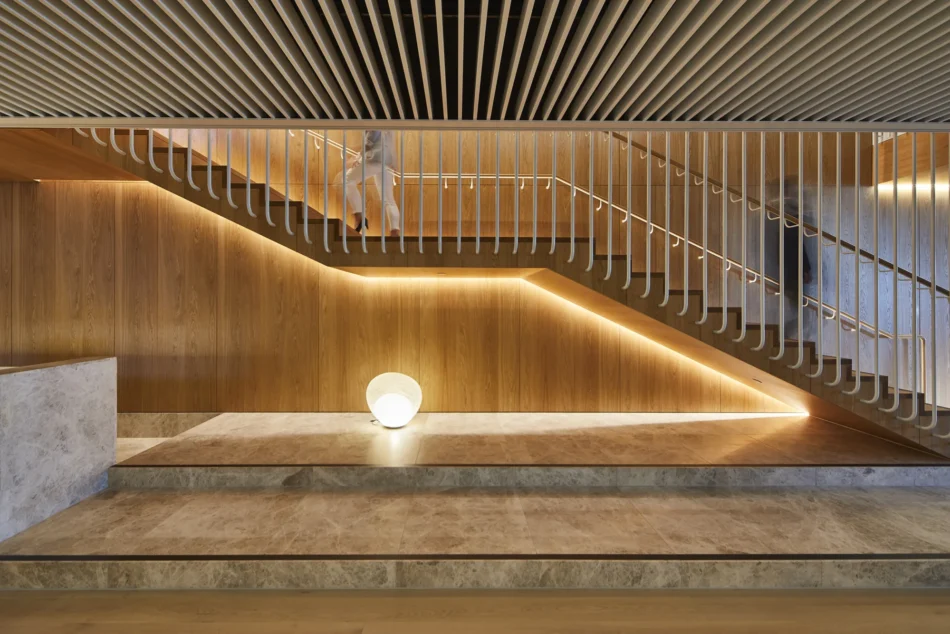
Interior lighting plays a significant role in shaping how a room looks, feels, and functions day to day. A carefully lit reading corner naturally invites someone to sit down and relax; a precisely focused beam of light reveals the fine texture of a stone wall in vivid detail. With increasingly efficient Led, fully adjustable light color options, and genuinely intelligent controls now available, designers can shape these everyday experiences with far greater precision than before.
Advanced Interior lighting solutions bring meaningful flexibility to the overall design process, helping spaces adapt smoothly to different activities while still supporting a coherent, unified visual identity throughout.
Layered Interior Lighting Creates Depth
A well-balanced lighting scheme typically combines three complementary and mutually supportive layers of illumination:
- Ambient lighting: General illumination throughout the space that helps people move comfortably and safely through a room.
- Task lighting: Focused, purposeful light intended for specific activities such as reading, cooking, or working at a desk.
- Accent lighting: Directed illumination that intentionally draws attention to artwork, shelving, or notable architectural details within the space.
For example, a kitchen might thoughtfully combine ceiling lights, lighting installed beneath cabinets, and stylish pendants suspended above an island. Separate, independent controls let each individual layer serve its distinct purpose, creating entirely different settings for food preparation and for entertaining guests.
Smart Controls Make Rooms More Adaptable
Lighting controls allow both brightness levels and operating times to respond intelligently to how a given space is actually being used. Occupancy sensors can automatically switch lights off shortly after people leave a room, while daylight sensors reduce electric lighting output whenever sufficient natural light happens to be available. The Design Lights Consortium’s guide to lighting controls explains in detail how these particular strategies help reduce unnecessary and wasteful energy use over time.
For a room that functions as both a home office and a living area, adjustable lighting genuinely makes the transition between those two activities much easier. Plan for convenient wall controls so that everyday adjustments remain simple and intuitive for everyone in the household.
Adjustable Light Changes the Atmosphere
Tunable white Led allow users to freely adjust the overall appearance of white light anywhere from warm to cool tones. Dim-to-warm products, on the other hand, work quite differently: their light output actually becomes warmer in tone as the brightness level decreases. The U.S. Department of Energy’s guide to color-tunable lighting explains both of these distinct approaches in considerable technical detail.
These particular options give designers yet another meaningful way to coordinate lighting choices with finishes and personal preferences alike. Before any installation begins, it’s worth testing samples directly beside paint colors, fabrics, and wood finishes. Evaluate these samples carefully at different brightness settings, since an attractive showroom effect may ultimately feel quite different once installed at home.
Custom Lighting Solutions Highlight Architecture
Custom lighting solutions can seamlessly integrate illumination directly into cabinetry, ceiling recesses, display niches, and various stair details throughout a home. This approach gives designers precise control over exactly where light appears and which specific surfaces ultimately receive attention.
A concealed light strip positioned above a textured wall, for instance, can beautifully emphasize its natural surface and depth. Lighting installed inside shelving can likewise draw attention to carefully selected objects on display.
Plan for these particular details early in the process, including adequate space for wiring and convenient access to LED drivers for future maintenance needs. Test the concealment of fixtures from typical seated positions in order to avoid exposed, distracting light sources.
LED Efficiency Supports Lasting Design
Efficiency considerations also meaningfully influence many lighting decisions made throughout a project. The U.S. Department of Energy notes that Led may consume at least 75% less energy and last a remarkable 25 times as long as traditional incandescent lighting. Its Building Upgrade Guide also cautions that certain replacement lamps can create excessive and unwanted illumination if their light output happens to be too high.
Choose brightness levels to suit the intended task, and be sure to consider ongoing maintenance needs alongside overall appearance. Accessible components and easily replaceable light sources deserve careful attention when comparing different fixtures side by side.
How to Plan an Interior Lighting Upgrade
Start the planning process by identifying the specific activities that each room in the home needs to support:
- Map Furniture and Tasks: Position light sources thoughtfully around desks, seating areas, and other work surfaces throughout the room.
- Observe Daylight: Check carefully how the room’s natural lighting changes between the morning hours and the evening hours.
- Check Compatibility: Confirm thoroughly that the selected Led, drivers, dimmers, and control systems all work well together.
- Test visual Comfort: Look carefully for glare, unwanted screen reflections, and distracting shadows before finalizing any fixture placement.
Conclusion
Advanced interior lighting ultimately gives designers far greater control over atmosphere, function, and overall architectural expression within a space. The strongest and most successful results tend to come from combining thoughtful fixture placement with genuinely useful controls and appropriate light output levels. Begin with just one room, take time to understand its daily demands, and gradually build a lighting scheme that makes every activity feel naturally and effortlessly supported.


