 WhatsApp Us Now
Introduction
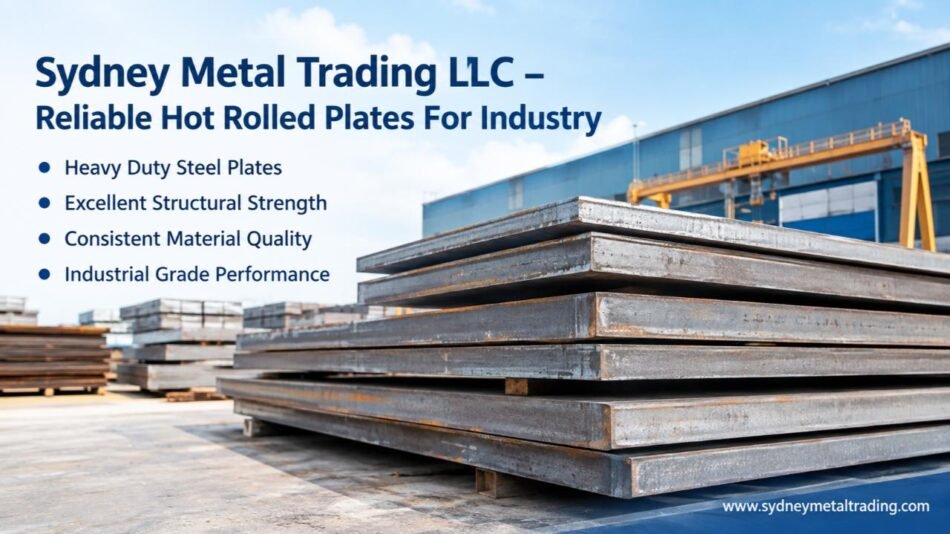
If you have ever stood near a massive construction site, watched a huge ocean vessel glide through the water, or noticed heavy machinery at work, you have seen the incredible work done by Hot-Rolled Plates. These heavy-duty steel sheets serve as the silent backbone of modern infrastructure and industrial manufacturing. Basically, they are created through a high-temperature rolling process where a steel slab is heated well past its recrystallization point and shaped into wide, flat sheets. The raw strength and adaptability of Hot Rolled Plates make them an indispensable foundation across countless global trades.
Essential Qualities and Key Features of Hot Rolled Plates
When working with heavy materials, understanding how a metal behaves during fabrication is everything. These steel sheets are celebrated in workshops worldwide for several distinct characteristics that set them apart from cold-formed alternatives:
- High Structural Toughness: Able to endure heavy loads, intense physical stress, and sudden impacts without cracking or deforming under stress.
- Excellent Weldability: The relatively low carbon concentration and uniform internal structure make fusing pieces together straightforward using standard shop tools.
- Superior Formability: Because they cool naturally after being shaped at high heat, the metal remains pliable enough to bend, stamp, and cut without snapping.
- Cost-Effective Production: Manufacturing at high heat requires fewer mechanical passes, making large volume purchases much more economical for big projects.
A slight trade-off to keep in mind is that the surface usually carries a characteristic mill scale—a thin oxidized layer formed during cooling. While this gives the surface a rougher, darker finish compared to cold-processed steel, it can easily be pickled or blasted off if a smooth aesthetic or painting surface is needed.
Essential Industrial Applications for Hot Rolled Plates
Because of their combination of affordability and strength, these versatile plates find their way into almost every sector that requires sturdy raw materials.
In structural engineering, huge building frames, bridge girders, and commercial structures rely on these slabs to support thousands of tons of static weight. The transportation sector uses them extensively to form the structural chassis of heavy commercial trucks, railroad cars, and shipping containers that endure constant vibration and heavy cargo loads. Furthermore, energy facilities use them to construct oil storage tanks, pressure vessels, and wind turbine towers where structural integrity is a non-negotiable safety requirement.
In heavy equipment manufacturing, builders utilize industrial steel sheet stock to forge excavator buckets, crane booms, and agricultural plows that encounter brutal wear and tear daily.
Best Practices for Choosing and Working with Hot Rolled Plates
Working successfully with hot-processed steel boils down to knowing your project’s precise requirements before placing an order. First, always verify the specific thickness and grade needed for your engineering load requirements, as different alloys offer varying degrees of tensile strength and corrosion resistance.
When cutting or welding in the shop, ensure proper surface preparation by removing excess scale around joint areas to secure clean, strong welds. Storing the materials indoors or keeping them covered with protective coatings will also prevent surface rust from developing before fabrication even begins.
Conclusion
Understanding the unique characteristics, strength profiles, and practical uses of hot-formed steel allows engineers and builders to make smarter, more reliable material decisions. Whether you are erecting a multi-story building, assembling heavy machinery, or building robust marine structures, relying on top-quality components ensures long-term safety and performance. When your next big project calls for dependable steel solutions that stand up to the toughest challenges, working with a trusted partner like Sydney Metal Trading LLC gives you the quality materials and expert support needed to get the job done right.


