 WhatsApp Us Now
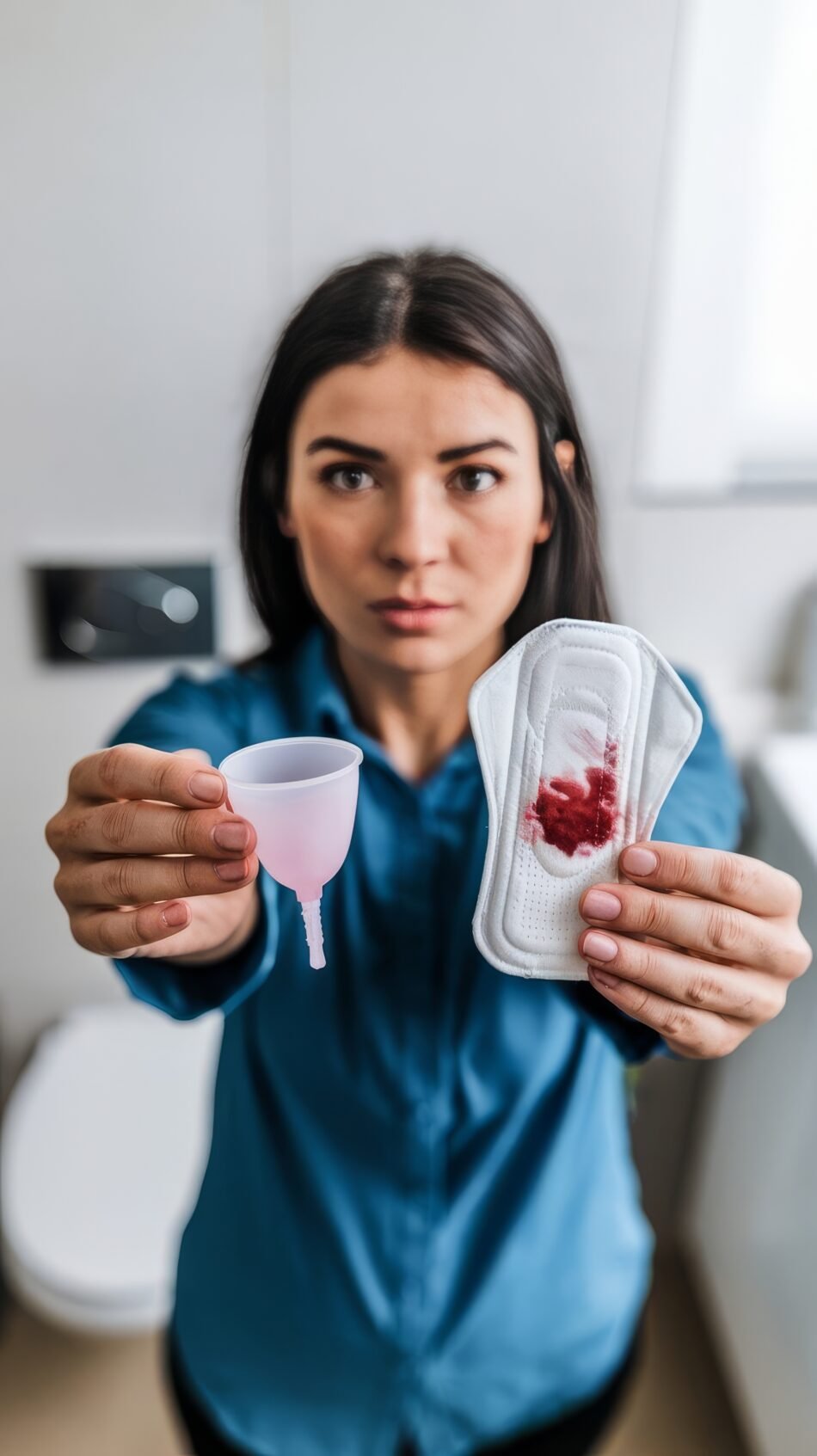
Heavy menstrual bleeding is more than simply having a “heavy period.” If your periods regularly last longer than seven days, require very frequent pad or tampon changes, or interfere with work, studies, sleep, or daily activities, it is worth discussing with a healthcare professional. Heavy bleeding can sometimes be linked to an underlying gynecological condition and may also lead to iron-deficiency anemia over time.
For women experiencing unusually heavy periods, understanding the possible causes and available treatment options can make it easier to decide when to seek medical care. The right treatment depends on what is causing the bleeding, your age, overall health, and whether you are planning a pregnancy.
What Is Considered Heavy Menstrual Bleeding?
There is no single amount of blood loss that feels “heavy” for every woman. Doctors also consider how bleeding affects your everyday life.
Signs that your menstrual bleeding may be unusually heavy include:
- Periods lasting more than seven days
- Soaking through a pad or tampon every hour for several hours
- Needing to use more than one menstrual product at a time
- Frequently changing pads or tampons during the night
- Passing unusually large blood clots
- Feeling tired, weak, dizzy, or short of breath during or after your period
According to the American College of Obstetricians and Gynecologists (ACOG), these can be warning signs of heavy menstrual bleeding and should be discussed with an obstetrician-gynecologist.
What Causes Heavy Menstrual Bleeding?
Heavy bleeding can have several possible causes. Sometimes there is one clear cause, while in other cases more than one factor may be involved.
Uterine Fibroids
Fibroids are non-cancerous growths that develop in or around the uterus. Depending on their size and location, they can cause heavy or prolonged periods, pelvic pressure, or pain.
Uterine Polyps
Polyps are growths that develop from the lining of the uterus. They can cause irregular bleeding as well as heavier menstrual flow.
Adenomyosis
Adenomyosis occurs when tissue similar to the uterine lining grows into the muscular wall of the uterus. It can cause heavy periods and painful menstruation.
Hormonal or Ovulation Problems
When ovulation does not happen regularly, the uterine lining may become thicker than usual. When it eventually sheds, the bleeding can be heavier or last longer.
Hormonal changes can occur during the teenage years, around perimenopause, or with conditions such as polycystic ovary syndrome (PCOS) and thyroid disorders.
Bleeding Disorders
Some women have blood-clotting problems that may first become noticeable through very heavy periods. A history of heavy bleeding from the beginning of menstruation, easy bruising, frequent nosebleeds, or excessive bleeding after dental procedures or surgery may provide important clues.
Medications and Contraception
Certain medicines, including blood thinners, can increase menstrual bleeding. A copper intrauterine device (IUD) may also make periods heavier, particularly during the first year of use.
Other Gynecological Conditions
Endometriosis and pelvic inflammatory disease may sometimes contribute to abnormal bleeding. Pregnancy-related problems, including miscarriage or ectopic pregnancy, can also cause abnormal bleeding and require urgent medical evaluation.
In some women, no obvious cause is found even after evaluation.
How Is Heavy Menstrual Bleeding Diagnosed?
Your doctor will first ask detailed questions about your periods and overall health. Keeping a simple period diary can be useful. Record when your period starts and ends, how frequently you need to change menstrual products, whether you notice clots, and whether you experience pain or other symptoms.
Your medical history may also include questions about:
- Previous pregnancies or procedures
- Current medications
- Birth control
- Family history
- Other medical conditions
- Previous episodes of heavy bleeding
Depending on your symptoms, your doctor may recommend a physical or pelvic examination, blood tests, pregnancy testing, or imaging.
A complete blood count can help identify anemia caused by blood loss. Ultrasound may be used to look for conditions such as fibroids or other structural problems. In selected cases, hysteroscopy or an assessment of the uterine lining may be recommended.
Treatment Options for Heavy Periods
Treatment is not the same for every woman. The aim is to reduce troublesome bleeding, improve quality of life, treat the underlying cause, and consider the woman’s future pregnancy plans.
Medicines
Depending on the cause and individual circumstances, treatment may include medicines that reduce bleeding or regulate the menstrual cycle.
Options may include:
- Tranexamic acid
- Nonsteroidal anti-inflammatory drugs (NSAIDs)
- Hormonal contraceptives
- Progestin-based treatments
- Hormonal intrauterine systems
If heavy bleeding has caused iron-deficiency anemia, your doctor may also recommend iron replacement after assessing your condition. ACOG lists several of these medical approaches among treatment options for heavy menstrual bleeding.
Treating Fibroids or Polyps
If a fibroid or polyp is responsible for the bleeding, treatment may focus directly on that problem. Depending on its size, location, symptoms, and the patient’s reproductive plans, procedures such as hysteroscopic removal or other fibroid treatments may be considered.
Surgical Treatment
When medication does not provide adequate relief, or when a specific structural problem needs treatment, a procedure may be recommended.
Options can include hysteroscopic procedures, myomectomy for selected fibroids, uterine artery embolization in appropriate cases, or other surgery. The choice depends heavily on the cause of bleeding and whether future pregnancy is desired.
When Should You Seek Medical Help?
Do not simply accept very heavy periods as something you have to live with.
Arrange a medical evaluation if your periods regularly:
- Last longer than seven days
- Affect your normal activities
- Require frequent changes of menstrual products
- Cause significant pain
- Leave you unusually tired or weak
- Become suddenly heavier than usual
Seek urgent medical attention if you are experiencing extremely heavy bleeding, especially if you feel faint, severely weak, short of breath, or otherwise unwell. Acute heavy bleeding may require immediate treatment.
What Can You Do Before Your Appointment?
A little preparation can make your consultation more useful.
Track your menstrual cycle for several weeks and note:
- The first and last day of each period
- How often you change pads or tampons
- The presence and approximate size of clots
- Pain or pelvic pressure
- Bleeding between periods
- Any medicines or contraception you use
- Symptoms such as fatigue or dizziness
This information can help your doctor understand the pattern and decide whether further investigation is needed. NICE also recommends considering how heavy bleeding affects a woman’s quality of life when assessing treatment choices.
Taking Heavy Periods Seriously
Heavy menstrual bleeding is common, but that does not mean you should ignore it. It can affect your physical health, emotional well-being, social life, and daily routine. NICE guidance emphasizes that treatment should focus not only on the amount of blood lost but also on how the condition affects quality of life.
A consultation with a qualified gynecologist can help determine whether your bleeding is related to hormonal changes, fibroids, adenomyosis, polyps, a bleeding disorder, medication, or another condition.
Dr. Abdul Basith provides gynecology and obstetric care, with a focus on women’s reproductive health and individualized medical management.
Final Thoughts
Heavy periods should not be something you simply learn to tolerate. If menstrual bleeding is affecting your everyday life or causing symptoms such as weakness, dizziness, or persistent fatigue, it deserves proper evaluation.
There are several treatment options, ranging from medicines and hormonal therapies to minimally invasive procedures and surgery when necessary. The most suitable approach depends on the underlying cause and your personal health and pregnancy goals.
Early evaluation can help identify the cause, manage symptoms, prevent complications such as anemia, and help you get back to your normal routine.


