 WhatsApp Us Now

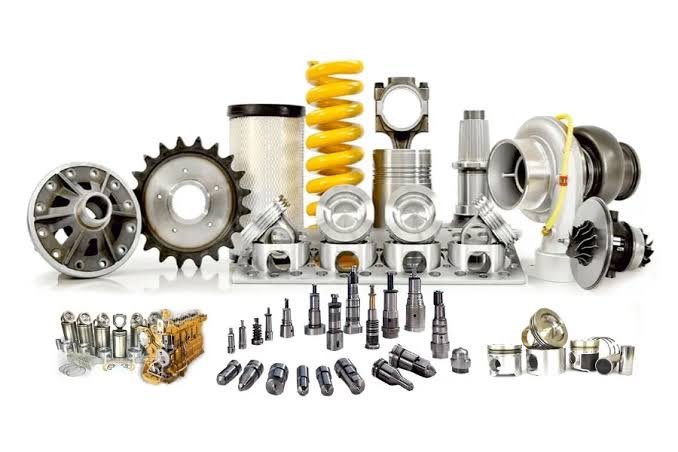
Heavy equipment keeps Canada moving. Excavators, loaders, dozers, graders and haul trucks build our roads, clear our job sites and power our mines. When one of these machines goes down, every hour of downtime costs money. Finding the right heavy equipment parts in Canada quickly is one of the most important decisions an owner or fleet manager makes. This guide covers the parts you will need most, the choices you have when buying, and practical tips for getting reliable parts at a fair price.
Why Heavy Equipment Parts Matter in Canada
Canadian work conditions are tough on machinery. Winters bring extreme cold, frozen ground, snow and road salt. Summers bring dust, heat and long operating hours. Mining, forestry, oil and gas, agriculture and construction all run machines hard, often in remote areas.
These conditions wear parts faster. Hydraulic seals harden in the cold, undercarriage components grind against abrasive soil, and filters clog sooner in dusty air. Because many job sites are far from major cities, waiting days for a part can stall an entire project. That makes a dependable parts supplier as valuable as the machine itself.
Most Common Heavy Equipment Parts
Most repairs fall into a handful of categories. Knowing them helps you plan maintenance and budget ahead.
Engine and Drivetrain Parts
The engine is the heart of any machine. Common replacement items include pistons, liners, gaskets, turbochargers, fuel injectors, water pumps and belts. Drivetrain parts such as transmissions, final drives, axles and clutches take heavy loads every day and wear steadily with use.
Hydraulic Parts
Hydraulic systems power the booms, buckets, blades and steering on most machines. Hydraulic pumps, cylinders, control valves, hoses and seals are among the most frequently replaced heavy equipment parts. A small leak can quickly become a major failure, so inspect hoses and fittings regularly.
Undercarriage Parts
Track-type machines such as excavators and dozers rely on the undercarriage. It includes track chains, track shoes, rollers, idlers, sprockets and bushings. The undercarriage is often the single largest wear cost on a machine, so quality matters here.
Ground Engaging Tools
Bucket teeth, adapters, cutting edges, blade edges and wear plates make direct contact with soil, rock and gravel. They are designed to wear out and are often replaced before the underlying structure is damaged.
Filters, Fluids and Electrical Components
Oil, fuel, air and hydraulic filters are the cheapest way to protect expensive components. Batteries, alternators, starters, sensors and wiring harnesses round out the list, especially important in cold climates where starting systems work hardest.
OEM, Aftermarket or Used: Which Is Right for You?
Buyers in Canada generally choose between three types of parts. Each has a place.
OEM parts are made by or for the original manufacturer. They match the original specifications exactly and often carry a warranty. They usually cost the most, but they are a safe choice for critical components and machines still under warranty.
Aftermarket parts are produced by third-party manufacturers. Quality varies, but reputable brands can meet or exceed OEM standards at a lower price. They are popular for wear items such as filters, undercarriage components and cutting edges.
Used or remanufactured parts can cut costs significantly, particularly for older machines or expensive assemblies like engines, transmissions and hydraulic pumps. Remanufactured parts are rebuilt to specification and often come with a warranty, which makes them a smart middle ground.
The best approach is often a mix. Use OEM for safety-critical or warranty-covered components, and consider quality aftermarket or remanufactured options for routine wear parts.
What to Check Before You Buy
A wrong part wastes time and money, so confirm the details before you order.
- Part number: Match it exactly against your machine’s parts manual or the old part.
- Machine make, model and serial number: Manufacturers often change designs mid-production, so the serial number matters.
- Condition and warranty: For used or remanufactured parts, ask about testing, inspection and warranty terms.
- Compatibility: Confirm the part fits your exact configuration, not just the model family.
- Return policy: Make sure you can return or exchange a part that does not fit.
Taking a few photos of the old part and the machine’s data plate can help a supplier confirm the right match faster.
How to Choose a Heavy Equipment Parts Supplier in Canada
Not every supplier offers the same value. Look for these qualities:
- Wide selection: A supplier that carries many brands, such as Caterpillar, Komatsu, John Deere, Volvo, Hitachi and Case, saves you from calling multiple vendors.
- Fast, reliable shipping: Ask about delivery times to your province, especially if your site is remote. Some suppliers offer same-day or next-day dispatch for in-stock items.
- Technical knowledge: Staff who understand the equipment can help you identify the right part and avoid costly mistakes.
- Clear pricing in Canadian dollars: Transparent pricing, with shipping and taxes shown up front, avoids surprises at checkout.
- Warranty and support: Good suppliers stand behind what they sell and help if something goes wrong.
Also consider whether the supplier has experience serving Canadian customers. Familiarity with provincial shipping, cold-weather needs and customs requirements makes a real difference.
Tips to Extend the Life of Your Parts
The cheapest part is the one you do not have to replace. A few habits can reduce repair bills:
- Follow the maintenance schedule. Change fluids and filters on time, using the grade recommended for Canadian winters.
- Inspect daily. A walk-around check can catch leaks, cracks and loose fasteners before they become failures.
- Keep it clean. Dirt and moisture are the enemies of hydraulic and fuel systems. Clean fittings before opening any line.
- Warm up machines in cold weather. Allowing fluids to reach operating temperature reduces stress on pumps and seals.
- Stock critical spares. Keeping common items like filters, hoses, belts and cutting edges on hand reduces downtime.
- Track wear. Measure undercarriage and tooth wear regularly so you can schedule replacements instead of reacting to breakdowns.
Frequently Asked Questions
Where can I buy heavy equipment parts in Canada?
You can buy from authorized dealers, independent parts distributors, salvage yards and online suppliers. Compare selection, price, shipping time and warranty before deciding.
Are aftermarket heavy equipment parts reliable?
Many are, particularly from established manufacturers. Choose reputable brands, check reviews and confirm the warranty terms.
How do I find the right part for my machine?
Use the part number from your manual or the old component, along with your machine’s make, model and serial number. When in doubt, ask the supplier to verify fitment.
Can I save money with used parts?
Yes, especially on high-cost assemblies. Look for tested or remanufactured parts that include a warranty.
Final Thoughts
Finding the right heavy equipment parts in Canada comes down to knowing what your machine needs, understanding your OEM, aftermarket and used options, and working with a supplier you can trust. Plan your maintenance, keep critical spares on hand, and verify every part number before you order. A little preparation keeps your equipment productive, your projects on schedule and your repair costs under control.


