 WhatsApp Us Now

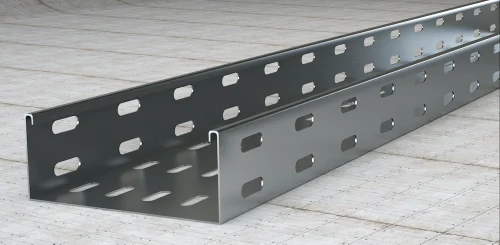
In today’s growing industrial and commercial sectors, managing electrical cables safely and properly is an important part of infrastructure planning. Factories, warehouses, commercial buildings, power plants, and office spaces require organized cable management systems to maintain safety and improve electrical installations. Unorganized cables can create maintenance problems, increase the risk of damage, and make electrical work more difficult.
This is why choosing the right GI Perforated Cable Tray is important for modern electrical installations. These trays provide proper support and arrangement for electrical cables while allowing better airflow and easier maintenance. This article explains their importance, features, benefits, and factors to consider before selecting a suitable cable management system.
Why GI Perforated Cable Trays Are Important
Electrical cables are used in almost every industrial and commercial facility. Without proper cable management, wires may become tangled, damaged, or difficult to identify during maintenance.
GI perforated cable trays help organize cables in a systematic manner. They are manufactured using galvanized iron sheets with regularly spaced perforations. These openings allow ventilation and provide convenient points for cable fastening.
A properly selected cable management system helps businesses:
- Keep electrical cables organized and properly supported.
- Improve airflow around installed cables.
- Make inspection and maintenance easier.
- Reduce cable damage caused by poor arrangement.
- Maintain a clean and systematic installation area.
Reliable cable management is especially important in facilities where multiple electrical connections are required.
Key Features of GI Perforated Cable Trays
When selecting a cable tray for industrial or commercial applications, certain features should be considered.
1. Galvanized Iron Construction
GI perforated cable trays are generally manufactured using galvanized iron sheets. The zinc coating provides protection against corrosion and helps improve the durability of the material.
This makes them suitable for various indoor and outdoor installations, depending on the coating quality and environmental conditions.
2. Perforated Design for Better Ventilation
One of the main features of a perforated tray is its open design. The small openings allow air to circulate around the cables, helping heat dissipate more effectively than in fully enclosed systems.
This design also provides convenient points for securing cables with suitable fasteners.
3. Strong Cable Support
A properly designed Cable Tray provides support to electrical cables and helps maintain their arrangement along walls, ceilings, and industrial structures.
The tray thickness, width, support spacing, and load capacity should be selected according to the total cable weight and installation requirements.
4. Easy Installation and Maintenance
GI perforated cable trays are available in different widths, lengths, and configurations. They can be installed using suitable brackets, supports, bends, and connecting accessories.
Their open structure also makes cable inspection, identification, and maintenance more convenient.
5. Different Sizes and Designs
Different industrial projects require different cable management arrangements. GI perforated trays are available in multiple dimensions to accommodate different cable quantities and installation layouts.
Businesses can select suitable designs according to their electrical infrastructure and available installation space.
Benefits of Choosing GI Perforated Cable Trays
Not all cable management systems offer the same features. Selecting the right tray provides several advantages for industrial and commercial facilities.
Better Cable Organization
GI perforated trays help arrange electrical cables in a systematic manner. This reduces cable clutter and makes installations easier to manage.
Improved Heat Dissipation
The perforated structure allows air circulation around the cables, which can support heat dissipation. However, proper cable spacing and loading are also important.
Reduced Maintenance Efforts
Organized cable arrangements make it easier for technicians to inspect connections, identify individual cables, and carry out maintenance work.
Long-Term Durability
Galvanized iron construction provides corrosion resistance, making these trays a practical choice for many industrial environments.
Flexible Installation
These trays can be installed in different directions using suitable bends, connectors, supports, and other accessories according to project requirements.
Different Applications of GI Perforated Cable Trays
GI perforated cable trays are used in several industries because of their practical design and cable management capabilities.
Manufacturing Units
Factories require organized electrical connections for machinery, production equipment, and lighting systems. Perforated trays help support cables throughout manufacturing facilities.
Commercial Buildings
Shopping centres, offices, hotels, and commercial complexes use cable trays to manage electrical wiring across different floors and sections.
Warehouses and Distribution Centres
Warehouses require proper cable arrangements for lighting, electrical panels, conveyor systems, and other equipment.
Power and Electrical Installations
Electrical infrastructure projects use suitable cable trays to support and organize power and control cables along planned installation routes.
Industrial Plants
Industrial facilities often have complex electrical networks. A suitable cable management system helps keep these installations organized and accessible for inspection.
Important Factors to Consider Before Selecting a Cable Tray
Before purchasing a cable management system, businesses should evaluate their project requirements carefully.
Material Quality: Check the quality of galvanized iron and the thickness of the zinc coating according to the installation environment.
Load Capacity: Calculate the combined weight of the cables and select a tray that can safely support the required load.
Tray Dimensions: Choose suitable width, height, and length according to the number and size of cables.
Installation Environment: Consider moisture, temperature, dust, and possible exposure to chemicals before selecting the tray finish.
Accessories and Fittings: Check the availability of bends, reducers, connectors, covers, and supporting brackets.
Safety Requirements: Ensure proper support spacing, grounding and bonding where required, cable separation, and compliance with applicable electrical installation standards.
How to Identify a Reliable Cable Tray Manufacturer
Selecting a reliable manufacturer is important for obtaining cable management products that meet project requirements. Businesses should consider material quality, manufacturing standards, product dimensions, customization options, and finishing quality before making a decision.
Experienced manufacturers understand the importance of proper design and product strength. They can help customers select suitable tray dimensions and configurations according to their electrical installation needs.
Businesses looking for GI Perforated Cable Tray solutions should compare product specifications and manufacturing quality instead of making decisions based only on price.
SlotKing India is a name in the industrial storage solutions sector. Businesses can explore its product range and company information at SlotKing India.
Future of Industrial Cable Management
With the expansion of manufacturing facilities, commercial buildings, and industrial infrastructure, the need for organized electrical installations continues to grow.
Modern projects require cable management systems that are easy to install, inspect, and maintain. GI perforated cable trays remain a practical option because of their ventilation-friendly design, accessible structure, and galvanized construction.
As industrial facilities continue to develop, selecting suitable cable support systems will remain an important part of safe and organized electrical infrastructure.
Final Thoughts
Choosing the right GI perforated cable tray is important for maintaining organized, accessible, and properly supported electrical installations. Its galvanized construction, perforated design, and flexible installation options make it suitable for various industrial and commercial applications.
Before selecting a Cable Tray, businesses should consider material quality, load capacity, dimensions, and environmental conditions. Investing in a suitable cable management system can help improve installation quality, simplify maintenance, and support long-term electrical infrastructure requirements.