 WhatsApp Us Now

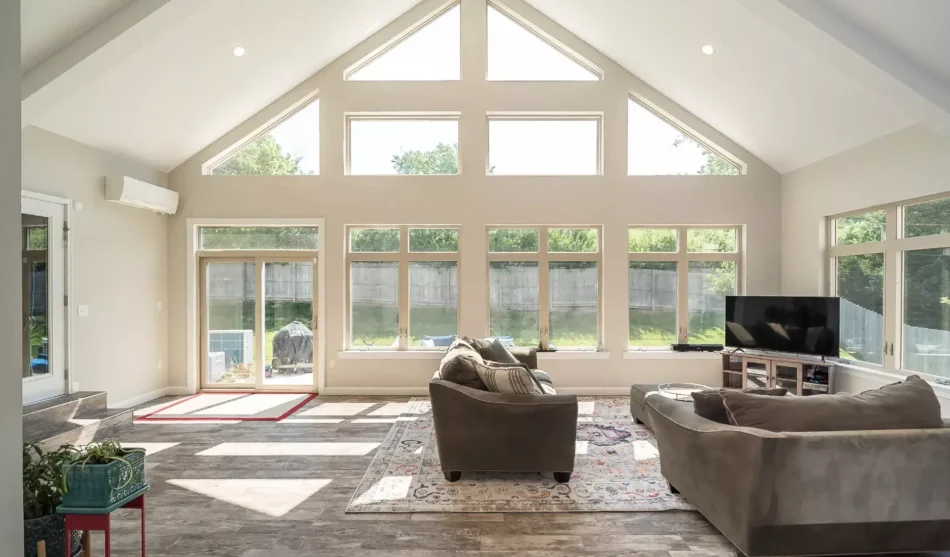
A whole-house remodel is the chance to fix everything at once: the awkward layout, the outdated systems, the finishes that no longer fit your life. In West Lake Hills, where many homes sit on hilly lots and have been standing for decades, the opportunity is especially significant. If you are considering full home remodeling in West Lake Hills, TX, success depends on planning the entire project as one connected effort instead of a series of unrelated upgrades.
Define the Goal Before the Scope
Start by writing down why you want to remodel. Are you fixing function, improving energy performance, preparing to age in place, or updating style? Your answer determines what gets budget priority. A project driven by comfort and longevity will put money into structure, insulation, windows, and mechanical systems, while one driven by style might emphasize finishes and lighting.
A team delivering licensed full home remodeling specialists at NuHorizon Remodeling will help you translate these goals into a defined scope, with a room-by-room plan and a clear sequence. This avoids the common trap of spending heavily on visible finishes while leaving outdated wiring or plumbing untouched.
Inspect What You Cannot See
Older homes hold surprises. Before final pricing, ask for a thorough assessment of the foundation, framing, roof, electrical panel and wiring, plumbing lines, and HVAC. Hillside lots deserve special attention to drainage and foundation movement, because water management affects the long-term health of the structure.
Discovering concerns during planning gives you options. Discovering them mid-demolition forces quick, expensive decisions. Include a contingency in your budget for hidden conditions, particularly in homes built several decades ago.
Phase the Work Intelligently
Even a complete remodel follows a logical order. Structural and mechanical work comes first, followed by insulation, drywall, and rough-in inspections. Cabinets, flooring, tile, and paint come later, with fixtures and final details at the end. Doing these steps out of order creates rework and wasted money.
Some families remodel in phases, finishing one wing at a time so they can remain in the home. Others move out for the duration, which usually shortens the schedule and reduces dust and disruption. Your contractor should explain the tradeoffs honestly. Working with NuHorizon Remodeling, a licensed Austin home remodeling contractor means the schedule, inspections, and trade coordination are managed by one accountable team rather than left to you.
Pay Attention to Energy and Comfort
A full remodel is the best time to improve how the home performs. Upgrading attic and wall insulation, sealing air leaks, installing efficient windows, and right-sizing the HVAC system can reduce utility costs and make rooms more comfortable year-round. In Central Texas, shading, ventilation, and roof design also play large roles.
Lighting and outlets are worth planning carefully too. Adding recessed lighting, dedicated circuits, and smart-home wiring during construction is far less costly than adding them afterward.
Permits, Budget, and Communication
Whole-house projects typically require multiple permits and inspections. Confirm who submits them and how approval timing is built into the schedule. Request an itemized estimate, and ask how change orders are priced and documented.
The strongest predictor of a good experience is communication. Look for a team that provides regular updates, answers questions plainly, and flags issues early.
Design for Accessibility and Aging in Place
If you may want to remain in your home for many years, a remodel is the time to plan for it. A main-level primary suite, wider doorways, lever handles, step-free entries, and a bathroom designed for mobility can make the house comfortable at every stage of life. These features do not have to look institutional. Thoughtful design hides them in plain sight.
Think about stairs and lighting too. Handrails, even lighting, and good contrast between steps help reduce falls. Even if you are not planning for these needs today, adding blocking in walls or leaving space for future changes costs little now and saves a great deal later.
Choose Finishes as a Whole, Not Room by Room
A common mistake in whole-house projects is picking finishes one room at a time. The result can feel disjointed. Instead, create a cohesive palette of flooring, paint, hardware, and fixtures that carries throughout the home, then vary it slightly by room.
Selecting finishes together also helps you manage cost, since you can order in bulk and avoid repeated rework. Start with the largest items, such as flooring and cabinets, then choose smaller details that complement them. A written selections schedule keeps everyone organized and prevents last-minute decisions that delay the project.


