 WhatsApp Us Now

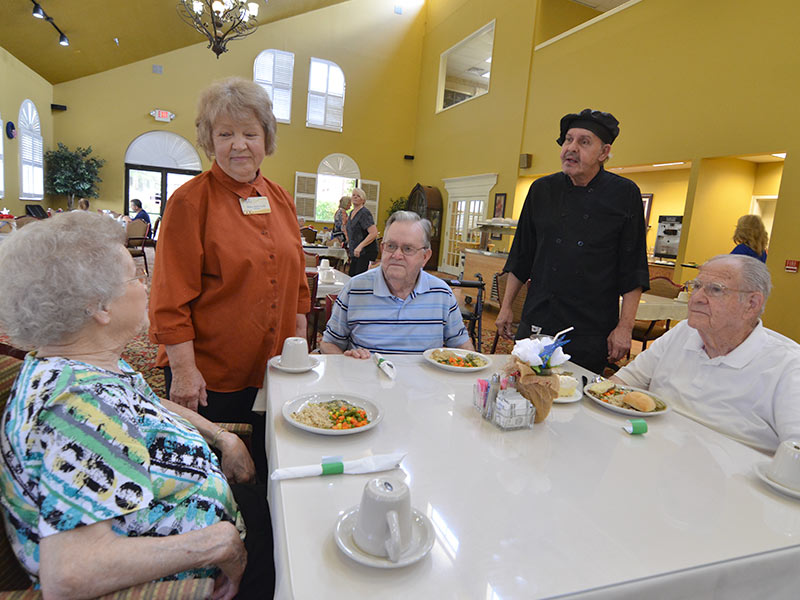
Isolation is one of the most significant challenges facing seniors today. While independence is important, living alone can sometimes lead to loneliness, reduced activity, and declining health.
Independent living offers a transformative solution—turning isolation into engagement and creating a lifestyle filled with connection, activity, and purpose.
The Hidden Impact of Isolation
Isolation doesn’t just affect emotions—it impacts overall health.
Seniors who experience prolonged loneliness may face:
- Increased risk of depression
- Cognitive decline
- Reduced physical activity
- Higher risk of chronic illness
Independent living communities are designed to combat these challenges.
By providing consistent opportunities for interaction and support, these communities help reduce the negative effects of isolation and promote healthier aging.
Long-term isolation has also been linked to sleep disturbances, weakened immunity, and decreased motivation, making social engagement even more essential for overall well-being.
Creating an Engaging Environment
Independent living shifts the focus from isolation to engagement by offering:
- Social opportunities
- Structured activities
- Shared spaces
This environment encourages participation and interaction.
It also creates a lifestyle where engagement becomes a natural part of daily living rather than something that requires extra effort.
A well-designed environment also removes common barriers such as transportation issues, safety concerns, and lack of access to social opportunities, making it easier for seniors to stay involved.
Daily Opportunities for Connection
Residents have access to daily opportunities for engagement, including:
- Group events
- Fitness programs
- Social gatherings
These activities help create routine and keep residents active.
Regular interaction also helps build familiarity among residents, strengthening relationships and creating a welcoming atmosphere.
Daily engagement also promotes consistency, which plays a key role in maintaining emotional stability and mental clarity.
Encouraging Participation Without Pressure
One of the strengths of independent living is flexibility.
Residents can choose how much they want to engage, ensuring they maintain control over their lifestyle.
This balance makes it easier for individuals to gradually become more socially active.
Having the freedom to participate at their own pace helps seniors feel comfortable and confident in their environment.
This autonomy is essential, as it allows seniors to maintain their independence while still benefiting from a socially enriched lifestyle.
Building Confidence Through Engagement
As residents participate in activities and build relationships, they often experience increased confidence.
This renewed sense of self can lead to greater independence and improved mental health.
Confidence gained through social interaction also encourages seniors to try new experiences and stay active.
Over time, this confidence can lead to improved decision-making, stronger communication skills, and a more positive outlook on life.
Enhancing Cognitive Health
Engagement stimulates the brain.
Activities such as games, discussions, and learning opportunities help maintain cognitive function and reduce the risk of decline.
Regular mental stimulation also improves focus, memory, and overall cognitive performance.
Continued learning and engagement can even help slow the progression of age-related cognitive conditions by keeping the brain active and challenged.
Physical Benefits of Staying Engaged
Social engagement often leads to increased physical activity.
Residents are more likely to:
- Participate in exercise programs
- Join group outings
- Stay active throughout the day
This contributes to better overall health.
Increased movement also improves balance, strength, and mobility, reducing the risk of falls.
Physical activity combined with social interaction also enhances energy levels and supports long-term independence.
A Supportive Community Environment
Independent living communities create a sense of belonging.
Residents feel supported not only by staff but also by their peers.
This network provides emotional reassurance and companionship.
A strong support system also helps seniors feel secure, valued, and connected in their daily lives.
Having people nearby who understand similar life experiences also creates deeper emotional bonds and mutual support.
Encouraging Purposeful Living
Independent living communities encourage seniors to live with purpose by offering opportunities to contribute, lead, and participate meaningfully in community life.
Residents may take part in organizing events, mentoring others, or engaging in volunteer opportunities within the community.
This sense of purpose plays a critical role in emotional well-being and helps seniors maintain a strong sense of identity.
Long-Term Impact on Quality of Life
The shift from isolation to engagement has lasting benefits that go beyond daily happiness.
Seniors who remain socially and physically active often experience:
- Better overall health outcomes
- Increased longevity
- Improved emotional resilience
- Greater life satisfaction
Independent living creates a foundation for long-term well-being by addressing both immediate and future needs.
Conclusion
Independent living transforms the aging experience by replacing isolation with engagement.
It empowers seniors to stay active, connected, and fulfilled, creating a lifestyle that supports both independence and well-being.


