 WhatsApp Us Now

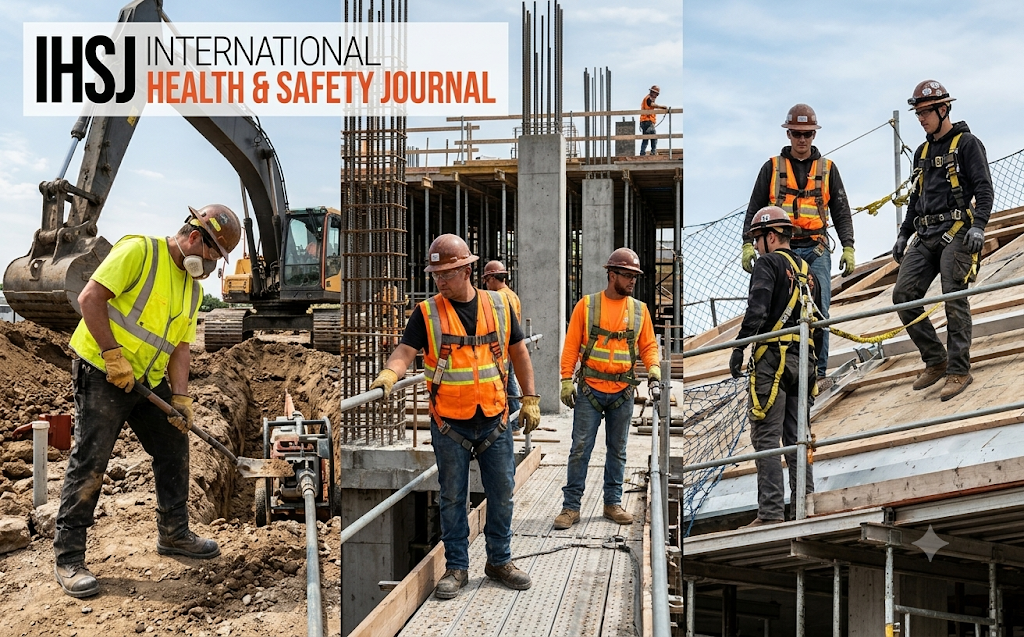
A construction project moves through several stages, each introducing different working conditions and occupational hazards. Activities involved in excavation, foundation preparation, structural development, electrical installation and roofing require different safety arrangements.
Although some protective equipment remains necessary throughout a project, other items must change according to the work being performed. Using the same safety arrangements across every stage can leave workers exposed to hazards that were not present during earlier activities.
Understanding these differences is essential when planning personal protective equipment in construction. Employers must evaluate the risks associated with each building stage and ensure workers have suitable protection before beginning their activities.
A stage-based safety approach can improve hazard awareness, support better equipment selection and reduce exposure to preventable workplace injuries.
Excavation and Ground Preparation
Groundwork is among the earliest stages of a construction project. It can involve digging trenches, removing soil, operating heavy machinery and transporting materials.
Workers may face hazards such as falling objects, unstable ground, moving vehicles, sharp debris and excessive dust.
Safety helmets provide protection against certain impact hazards, while high-visibility clothing helps machinery operators identify workers around active equipment.
Protective footwear with suitable soles can reduce the risk of injuries from sharp materials and unstable surfaces. Gloves may also be necessary when handling tools, debris and construction materials.
Where excavation produces airborne dust, respiratory protection should be selected according to the identified exposure.
A suitable personal protective equipment in construction strategy for groundwork must account for both manual activities and the movement of heavy equipment.
Foundation and Concrete Work
Once excavation is completed, construction activities often move towards reinforcement, formwork and concrete placement.
These tasks can expose workers to wet concrete, cement dust, sharp reinforcement bars and heavy materials.
Wet cement can irritate or burn skin following prolonged contact. Workers should therefore use appropriate waterproof and chemical-resistant gloves, protective clothing and suitable footwear.
Eye protection is particularly important during concrete mixing, pouring and cutting operations because splashes and airborne particles can cause injuries.
Workers handling reinforcement bars may also need cut-resistant gloves and clothing designed to reduce exposure to sharp edges.
Protective arrangements should be reviewed whenever workers move between concrete preparation, placement and finishing activities.
Structural Development and Steel Installation
The construction of structural frameworks introduces additional hazards involving elevated work, falling materials, sharp metal edges and heavy lifting.
Workers installing steel components may require helmets, protective gloves, safety footwear and eye protection.
Fall protection is especially important when employees work at height. Depending on the working arrangement and applicable safety requirements, this may include suitable harnesses, connectors and approved anchorage systems.
However, fall protection equipment must be selected, fitted and inspected correctly. Workers also need training in its use and in the procedures to follow after a fall-arrest event.
For steel installation activities, personal protective equipment in construction should be considered alongside collective fall-prevention measures such as guardrails and properly designed working platforms.
Electrical Installation and Mechanical Services
As buildings develop, electricians and mechanical installation workers begin working with cables, distribution equipment, pipes, ventilation systems and other building services.
Electrical work can involve risks from electric shock, arc-related incidents, sharp materials and restricted working spaces.
Protective equipment must be selected according to the electrical hazards identified through a competent assessment.
Depending on the task, suitable protection may include appropriately rated insulating gloves, protective footwear, eye protection and arc-rated clothing.
Workers should never assume that ordinary gloves or general-purpose workwear provide electrical protection.
Mechanical installation activities may also require hearing protection, respiratory equipment and gloves designed for handling metal components or insulation materials.
Interior Finishing and Painting
Interior finishing involves activities such as plastering, sanding, painting, tiling and installing fixtures.
Although these tasks may appear less hazardous than structural work, they can expose employees to chemicals, airborne particles, repetitive movements and sharp tools.
Sanding and surface preparation may produce fine dust, making suitable respiratory protection important.
Painting and chemical application can involve vapours, splashes and skin contact. The correct gloves, eye protection and respiratory equipment should be selected according to product safety information and exposure conditions.
Workers should also consider ventilation and other controls to reduce exposure at the source.
Protective clothing should provide adequate coverage without restricting movement during detailed finishing tasks.
Roofing and External Building Work
Roofing introduces specific risks associated with elevated surfaces, fragile materials, changing weather and falling objects.
Workers may require suitable helmets, slip-resistant footwear, gloves and properly selected fall-protection equipment.
Footwear is particularly important because roof surfaces may become slippery due to rain, dust or loose materials.
Sun exposure and high temperatures can also affect worker safety. Appropriate clothing, hydration arrangements, shaded rest areas and work scheduling should form part of the wider safety plan.
Where roofing involves cutting insulation, tiles or other materials, suitable respiratory and eye protection may also be necessary.
A stage-specific personal protective equipment in construction plan should account for both the physical task and the environmental conditions surrounding it.
Demolition and Renovation Activities
Demolition work can create unpredictable hazards because existing structures may contain hidden materials, unstable components and contaminated dust.
Workers may encounter falling debris, sharp objects, excessive noise and potentially hazardous substances.
Safety helmets, eye protection, protective footwear, gloves and hearing protection may be required depending on the activity.
Respiratory protection is particularly important when assessments identify exposure to hazardous airborne substances.
Before demolition begins, employers should assess the structure and identify potentially dangerous materials. Appropriate controls should be established before workers disturb them.
Protective equipment should never be treated as a substitute for investigating unknown materials or controlling dangerous exposure at its source.
Creating a Stage-Based PPE Management Plan
Construction managers can improve safety by connecting protective equipment requirements with the project’s work schedule.
Each stage should have a documented assessment identifying the relevant hazards, required protective equipment and inspection responsibilities.
An effective plan should include:
- Reviewing hazards before each construction stage.
- Identifying equipment requirements for individual tasks.
- Providing suitable training before workers use specialist equipment.
- Checking protective equipment before use.
- Reassessing requirements when work activities change.
- Maintaining replacement supplies and inspection records.
This approach ensures that personal protective equipment in construction remains relevant as a project develops.
Workers should also be encouraged to report damaged equipment, unexpected hazards and situations where protective equipment interferes with safe task completion.
Conclusion
Construction projects involve changing activities, environments and exposure risks. Protection suitable for excavation may not provide sufficient coverage during electrical installation, demolition or roofing.
A stage-based approach allows employers to identify these differences and provide suitable equipment throughout the project lifecycle.
For professionals following workplace safety developments through International Health and Safety Journal, understanding how protective requirements evolve across building stages is an important part of improving site safety. Consistent assessment and appropriate personal protective equipment in construction can support safer working conditions from initial groundwork to final completion.
Frequently Asked Questions
1. Does PPE change during different construction stages?
Yes. Equipment requirements change according to the hazards associated with excavation, concrete work, structural installation, finishing and roofing.
2. What PPE is important during excavation?
Common requirements include safety helmets, high-visibility clothing, protective footwear, gloves and suitable respiratory protection where dust exposure is identified.
3. Why is fall protection important during structural work?
Workers operating at height may be exposed to serious fall hazards. Suitable fall-prevention and fall-arrest arrangements help reduce these risks.
4. What PPE is needed for concrete work?
Workers may require waterproof or chemical-resistant gloves, protective footwear, suitable clothing and eye protection against concrete splashes.
5. Should PPE requirements be reassessed during a project?
Yes. Requirements should be reviewed whenever construction activities, workplace conditions or identified hazards change.


