 WhatsApp Us Now

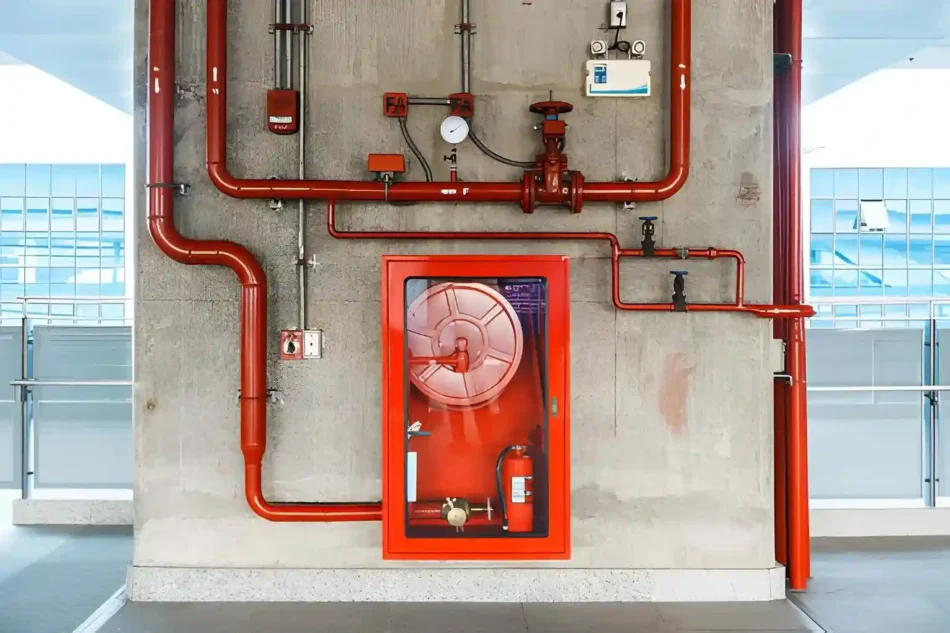
Fire safety regulations help keep all buildings safe. These rules make sure people are safe from fires. Checks help find problems like broken alarms or blocked doors. Keeping notes shows that buildings follow the rules. Fire checks look at all the safety things in a building and find what needs to be fixed. Fixing things and doing checks keep everyone safe. Following fire safety rules means fewer accidents and less trouble with the law. Safe buildings are good for everyone.
Key Takeaways
• Rules keep people and buildings safe
• Checks find hidden dangers before a fire
• Safety checks show what needs to be fixed right away
• Good alarms help warn people in time
• Clear ways out help people get to safety
• Notes show that rules are being followed
• Learning what to do in a fire helps people stay calm
• Following rules means less trouble with laws and insurance
• Keeping things up to date keeps buildings safe Watching for danger all the time helps stop fires
Fire Detection and Alarm Systems Requirements
Alarms and smoke detectors warn people when there is a fire. The rules say detectors must be put in the right places. Alarms must be loud and easy to see so people know where to go. Alarms must be checked and fixed when broken. They work with lights and signs to help people get out. Big screens or phones can show the alarms from far away. Notes about checks show the rules are being followed. These things keep people and buildings safe.
Emergency Lighting and Evacuation Routes Compliance
Lights and exit signs help people understand fire safety regulations. The lights must work even when the power goes off. Signs must be easy to see and in the right places. The way out must always be clear, with no boxes or locked doors in the way. Checks make sure the lights and paths are working well. Alarms and lights work together to help people stay calm. Writing down all checks shows that the rules are being followed. Good lights and clear paths keep people safe.
Legal Consequences of Ignoring Fire Safety Regulations
Not following fire safety regulations can cause big problems. The rules protect people and buildings from fire. If the rules are not followed, there can be fines or the building can be shut down. Judges take it very seriously when rules are broken. Insurance may not pay if the rules are not followed. Checks help show that the rules are being followed. Good tools and steps keep buildings safe. People who live or work in buildings are safer when rules are followed. Notes show what has been done. Breaking rules can even lead to going to court. Following the rules keeps people and buildings safe.
Role of Fire Safety Audits in Maintaining Compliance
Fire safety audits check homes for adherence to fire safety regulations. These audits pick out gaps in present-day safety measures, highlighting regions requiring attention. Comprehensive audits check alarms, emergency lights, and evacuation routes, making sure alignment with fire protection policies. Fire safety audits contribute to fire protection compliance by means of imparting actionable insights. Audits also generate documentation that proves compliance with the fire protection guidelines to the government. Organizations that conduct everyday fire safety enjoy fewer incidents and keep more secure environments. Fire safety reviews help with continuous monitoring and improvement. Adhering to audit suggestions reinforces dedication to fire safety regulations.
Fire Safety Documentation and Record-Keeping
Maintaining correct documentation strengthens compliance with fire safety guidelines. Records of fire safety inspection, audits, and renovation exhibit adherence to fire safety regulations. Documented methods support fire safety compliance at some point of evaluations or legal tests. Keeping logs up to date guarantees responsibility and alignment with fire protection policies. Proper documentation reduces liability dangers and proves measures taken to observe fire protection policies. Consistent file-maintaining reinforces a way of life of obligation and adherence to health and safety policies.
Role of Management in Fire Regulations
Management oversight ensures houses always meet fire safety policies. Supervising inspections, audits, and protection keeps compliance with fire safety regulations. Setting regulations and strategies aligned with regulations reinforces fire safety compliance. Management involvement guarantees well timed motion on troubles recognized in fire safety inspections and audits, assisting with fire protection guidelines. Proper steerage and duty with the aid of control fortify adherence to fire safety regulations throughout all areas. Commitment to the management degree promotes long-term compliance with fire safety rules and reduces the chance of exposure.
Conclusion
Following fire safety regulations keeps people and buildings safe. Checks and notes help make sure the rules are being followed. Fixing equipment and keeping records make buildings safer. Not following rules can cause big problems. Watching for danger all the time makes buildings safer. Following the rules shows that building owners care. Safe buildings mean fewer dangers for everyone. Knowing when rules change helps owners fix things fast. Notes about checks show that rules are being followed. Following all fire safety rules gives everyone peace of mind.


