 WhatsApp Us Now
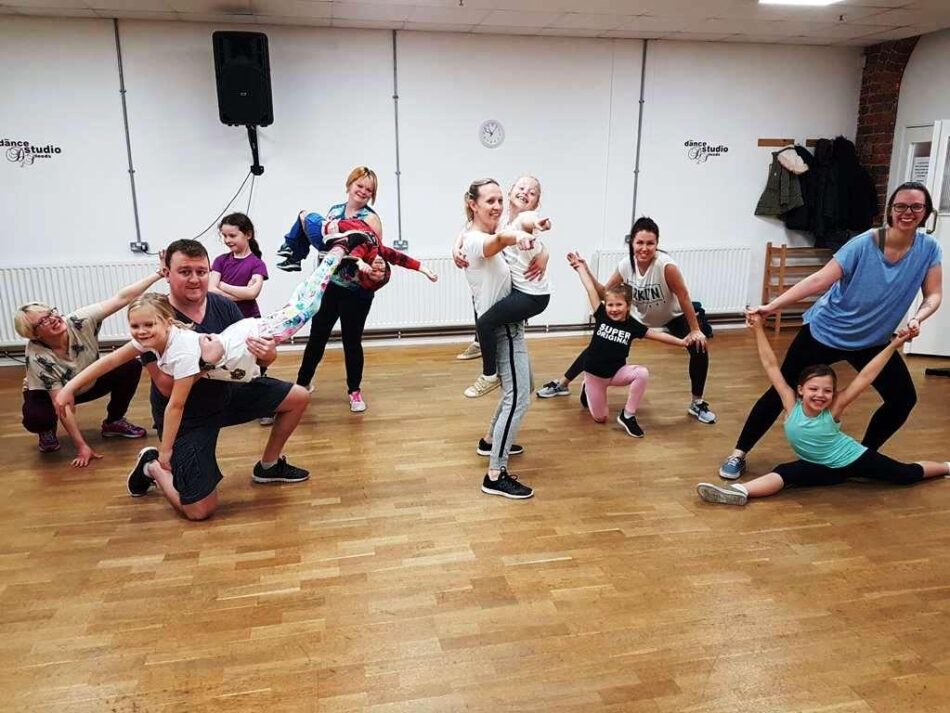
Enrolling your child in dance is more than just signing them up for an extracurricular activity it’s a way to help them develop confidence, discipline, creativity, and social skills. Every child is unique, and their personality often plays a big role in how much they enjoy and thrive in a specific dance style. From structured ballet to high-energy hip-hop, choosing the right match can make all the difference. This guide will help you understand how to select the perfect dance style for your child, ensuring they have a rewarding and enjoyable experience.
Understanding Your Child’s Interests and Personality
Before selecting a dance style, take time to observe your child’s behavior and preferences. Are they naturally energetic and outgoing, or more introspective and imaginative? Do they enjoy performing in front of others, or do they prefer quiet self-expression? Personality traits such as confidence, creativity, and discipline can greatly influence which dance style suits them best.
It’s also important to consider the learning environment. For example, ryde dance studio provides a nurturing space where kids of all personalities can explore various dance forms in a supportive atmosphere. This kind of setting helps children feel comfortable while trying something new.
Popular Dance Styles and Ideal Personality Matches
Understanding different dance styles and their ideal personality fits can help narrow down your choices:
- Ballet – Perfect for children who are detail-oriented, disciplined, and enjoy structure. Ballet builds strong foundations in posture, balance, and technique.
- Hip-Hop – A great fit for energetic, expressive, and outgoing kids. Hip-hop allows for creativity, rhythm, and group interaction.
- Jazz – Best for confident, dynamic children who love performing and enjoy a blend of technique and flair.
- Contemporary – Ideal for sensitive and imaginative kids who express their emotions through movement and storytelling.
- Tap – Excellent for children who love rhythm, sounds, and coordination challenges. Tap dance encourages focus and sharp timing.
- Cultural/Traditional Dances – These connect kids to their heritage, offering a meaningful way to express identity while learning new skills.
Matching the right style to your child’s personality can help them feel motivated and excited to learn.
Benefits of Matching Dance Style to Personality
When a child’s dance style aligns with their personality, the benefits go far beyond physical fitness. They gain:
- Boosted confidence: Kids are more likely to shine when they feel naturally suited to the dance they’re learning.
- Increased enjoyment: Dance becomes fun rather than a chore, encouraging long-term participation.
- Better skill development: When children are passionate, they practice more, improving their abilities.
- Social growth: Being surrounded by peers with similar energy and interests enhances teamwork and friendships.
This alignment sets the foundation for a positive, long-lasting relationship with dance.
Tips for Parents When Choosing a Dance Program
Selecting the right dance program can make all the difference. Here are a few practical tips:
- Start with trial classes: Let your child experience a few styles before committing.
- Communicate with instructors: Share your child’s strengths and ask for their professional recommendations.
- Listen to your child: After each class, ask how they felt comfort and enjoyment are key indicators.
- Avoid pressure: Encourage exploration rather than forcing a specific style. Children thrive when they feel supported, not pushed.
Programs that allow flexibility and exploration often lead to the best fit for both the child and the parents.
Supporting Your Child’s Dance Journey
Once your child has chosen a dance style, your role as a parent continues to be crucial:
- Celebrate milestones: Acknowledge small achievements to keep them motivated.
- Create a positive environment: Avoid making dance feel like a burden; keep it fun and encouraging.
- Be consistent: Regular attendance and practice build confidence and skills.
- Stay involved: Attend performances, provide feedback, and show genuine interest.
Support helps children see dance not just as an activity, but as a meaningful part of their lives.
Middle Keyword Placement
Choosing the right studio is also an important step in this journey. Families often look for places that offer both quality instruction and a welcoming atmosphere. Facilities like ryde dance studio often provide a diverse range of classes that cater to different ages and personalities, making it easier for parents and children to explore and commit to a style they truly love.
Additionally, the instructors play a major role in shaping the experience. Teachers who understand child psychology and dance pedagogy can help bring out the best in every student, ensuring they grow not only as dancers but as individuals.
Finding the right match isn’t always immediate it’s a process of exploration, trust, and support. Studios that offer varied dance programs, experienced instructors, and a positive learning environment create the ideal conditions for your child’s success. Many parents find that visiting ryde dance studio and speaking with instructors helps them make confident, informed choices.
Conclusion
Matching your child’s personality with the right dance style can unlock incredible benefits—from boosted confidence and creativity to improved physical and social skills. Take time to observe your child, let them explore different styles, and choose a nurturing program that supports their growth. With the right approach, dance can become a lifelong source of joy, expression, and personal development.


