 WhatsApp Us Now
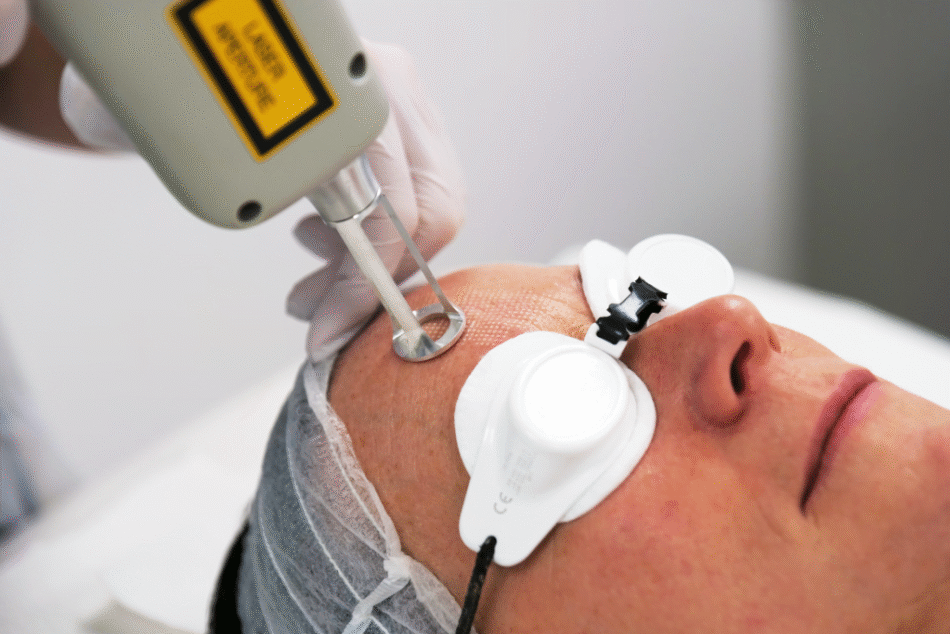
This advanced cosmetic procedure is gaining recognition for its ability to restore youthful, radiant skin while improving texture and tone. This article provides a comprehensive overview of Laser Skin Resurfacing, including what it is, how it works, its benefits, and what to expect throughout the process.
What Is Laser Resurfacing?
Laser resurfacing is a cosmetic procedure that uses concentrated beams of light to remove damaged skin layers and stimulate the growth of new, healthy skin. By precisely removing damaged outer layers of skin, laser resurfacing encourages collagen production, leading to firmer, smoother, and more youthful-looking skin.
There are different types of lasers used for resurfacing, including ablative and non-ablative lasers. Ablative lasers remove the outer layer of skin and are more intensive, while non-ablative lasers work beneath the surface to promote collagen growth without removing skin layers, offering gentler treatment with less downtime.
How Does Laser Resurfacing Work?
During the laser resurfacing treatment, the laser device emits pulses of light energy targeted at the skin. This energy vaporizes damaged skin cells layer by layer, allowing healthier skin to replace the treated areas. Simultaneously, the laser stimulates collagen production in the deeper layers, which helps improve skin elasticity and firmness over time.
The precision of laser technology allows for controlled removal of skin layers, minimizing damage to surrounding tissue and promoting faster healing.
Benefits of Laser Resurfacing
Laser resurfacing offers numerous benefits that contribute to healthier, more youthful skin. One of the most significant advantages is the reduction of fine lines and wrinkles, particularly around the eyes and mouth, which are common areas affected by aging.
The treatment is also effective in diminishing acne scars, surgical scars, and other types of skin irregularities. Laser resurfacing helps even out skin tone by reducing pigmentation issues such as sun spots, age spots, and melasma.
Beyond cosmetic improvements, laser resurfacing can improve overall skin texture, making it smoother and more radiant. Many individuals find that their skin feels tighter and firmer following treatment, enhancing their natural glow and confidence.
What to Expect During the Procedure
Laser resurfacing is typically performed as an outpatient procedure and can last from 30 minutes to a couple of hours, depending on the treatment area and intensity.
During the treatment, patients may feel a warm or tingling sensation as the laser passes over the skin. Advanced laser systems include cooling devices to enhance comfort throughout the procedure.
This reaction is a normal part of the healing process and gradually subsides over days to weeks, depending on the laser type and treatment depth.
Recovery and Aftercare
Ablative lasers generally require a longer healing period, with noticeable redness and peeling for up to two weeks.


