 WhatsApp Us Now

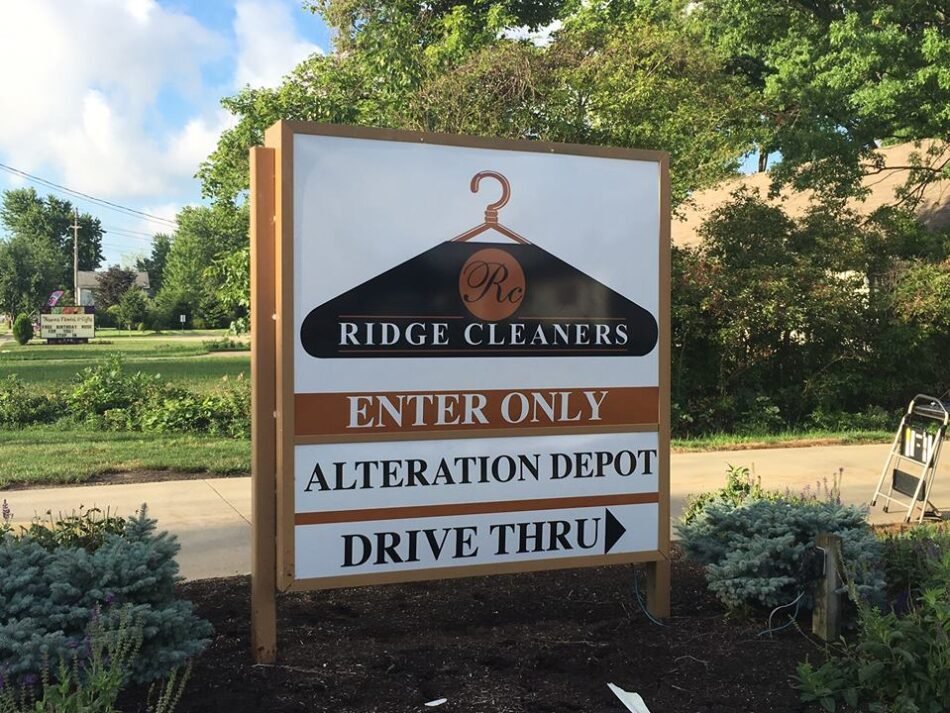
Finding the right room, department, entrance, or service should not feel like solving a puzzle. Yet, in busy commercial buildings, hospitals, offices, retail stores, and educational facilities, visitors can easily become confused when directions are unclear.
Directional Signage helps solve this everyday challenge by guiding people through a space with clear messages and recognizable visual cues. When thoughtfully planned, these signs do more than point toward a destination. They improve the visitor experience, support accessibility, and make a business environment feel more organized.
Why Clear Navigation Matters in Commercial Spaces
The way people move through a building influences their overall impression of the business operating there. When visitors can find their destinations without repeatedly asking for assistance, the environment feels more welcoming and efficient.
Poor navigation can create unnecessary frustration. Customers may struggle to locate a department, employees may lose time directing visitors, and guests may arrive late to scheduled appointments because they cannot identify the correct route.
A well-planned signage system addresses these issues by providing useful information at the moments people need it. Instead of overwhelming visitors with too many instructions at once, effective signs guide them through a series of simple decisions.
Choosing the Right Types of Directional Signs
Different environments require different approaches to wayfinding. Selecting the appropriate sign types helps businesses communicate information clearly without cluttering their spaces.
Entrance and Reception Signs
The journey through a building often begins at the entrance. Signs identifying reception areas, visitor check-in points, and main entrances help people understand where to go first.
In offices and commercial properties, these signs can also reinforce a professional appearance. Clear lettering, consistent colors, and recognizable branding make the arrival experience more straightforward.
Hallway and Room Direction Signs
Long corridors, multiple floors, and connected departments can make navigation difficult. Directional signs placed at intersections and decision points help visitors identify the correct route before they become uncertain.
Room identifiers, floor directories, and arrows can work together to create a logical navigation system. The information should remain consistent throughout the building so visitors do not encounter conflicting instructions.
Parking and Exterior Wayfinding
Navigation begins before someone enters a building. Exterior signs can identify entrances, parking areas, loading zones, accessible routes, and designated visitor spaces.
Businesses with large properties may benefit from signs positioned along driveways and pedestrian pathways. These displays help visitors move safely and efficiently from arrival points to their intended destinations.
Making Signs Easy to Read and Understand
A directional sign is useful only when people can understand it quickly. Complicated wording, decorative fonts, and excessive information can make even an attractive sign difficult to follow.
Short messages usually work best. Simple instructions such as reception, conference rooms, or exit allow visitors to process information without stopping for long periods.
Contrast is equally important. Text should stand out clearly against the background, while arrows and symbols should be easy to distinguish. Font size should reflect viewing distance, lighting conditions, and the needs of the intended audience.
Consistency also makes a difference. Using the same colors, typography, terminology, and arrow styles throughout a facility helps visitors recognize directional information more easily.
Combining Practical Wayfinding With Brand Identity
Directional signs do not need to look purely functional. They can complement a business’s visual identity while continuing to serve their primary purpose.
For example, a corporate office might use branded colors and clean typography to coordinate wayfinding signs with its reception area and interior wall graphics. A retail environment could incorporate distinctive design elements that complement its storefront and promotional displays.
The key is to maintain a balance between visual appeal and readability. Branding should support the information rather than compete with it.
Businesses exploring custom signs and professional graphic solutions can work with providers such as SpeedPro Boston North to develop signage that complements their commercial interiors and branding requirements.
Supporting Accessibility Through Better Signage
An effective wayfinding system should consider the needs of different visitors. People may have varying levels of familiarity with the building, visual ability, mobility, and language proficiency.
Clear symbols, readable typography, appropriate contrast, and logical sign placement can make navigation easier for a broader audience. Where required, tactile characters, Braille, and other accessibility features should be incorporated according to applicable standards.
Businesses should also review relevant building codes and accessibility requirements before installing signs. Requirements vary depending on the location, building type, and purpose of the signage.
Accessibility should be considered during the planning stage rather than treated as an afterthought. This approach helps create an environment that is easier for more people to navigate independently.
Planning a Directional Signage System
Successful wayfinding begins with understanding how people actually use a space. Before selecting materials or designing individual signs, walk through the building from the perspective of a first-time visitor.
Identify confusing intersections, entrances that are difficult to recognize, and destinations that people frequently struggle to find. These observations help determine where signs are needed and what information each sign should communicate.
Next, create a consistent plan for sign placement and messaging. Consider viewing distances, lighting, mounting locations, wall surfaces, and potential obstructions.
Finally, review the completed system with people unfamiliar with the building. Their feedback can reveal confusing instructions or missing signs that regular occupants might overlook.
Maintaining Signage as Your Business Grows
Business environments change over time. Departments relocate, offices expand, services move to different floors, and new entrances may be introduced.
Regular signage reviews help keep information accurate and useful. Outdated directions can create confusion even when the signs themselves remain in excellent condition.
Choose durable materials suited to the environment and establish a process for updating information when changes occur. A flexible signage system can make future modifications easier while preserving a consistent appearance throughout the property.
Conclusion
Good wayfinding makes a space easier to understand, more comfortable to navigate, and more welcoming to visitors. From reception areas and corridors to parking facilities and multi-floor buildings, carefully positioned signs help people reach their destinations with less confusion.
Directional Signage is most effective when clear communication, thoughtful placement, accessibility, and visual consistency work together. By planning around real visitor needs, businesses can create organized environments that support daily operations and leave a positive impression.
Frequently Asked Questions
1. What is Directional Signage?
Directional Signage consists of signs that guide people toward specific destinations within or around a building. Common examples include arrows, hallway signs, floor directories, parking signs, and entrance indicators.
2. Which businesses benefit from directional signs?
Offices, hospitals, schools, shopping centers, hotels, restaurants, warehouses, and commercial properties can all benefit from directional signs that help visitors, customers, and employees navigate their environments.
3. Where should directional signs be installed?
Signs are most useful at entrances, intersections, stairways, elevators, parking areas, and other locations where people need to make navigation decisions. Placement should reflect how visitors move through the space.
4. Can directional signs match a company’s branding?
Yes. Businesses can incorporate brand colors, typography, logos, and complementary design elements while ensuring that directional information remains clear and readable.
5. How often should directional signage be updated?
Signage should be reviewed whenever a building layout, department location, service, or access route changes. Periodic inspections also help identify damaged signs and information that is no longer accurate.


