 WhatsApp Us Now
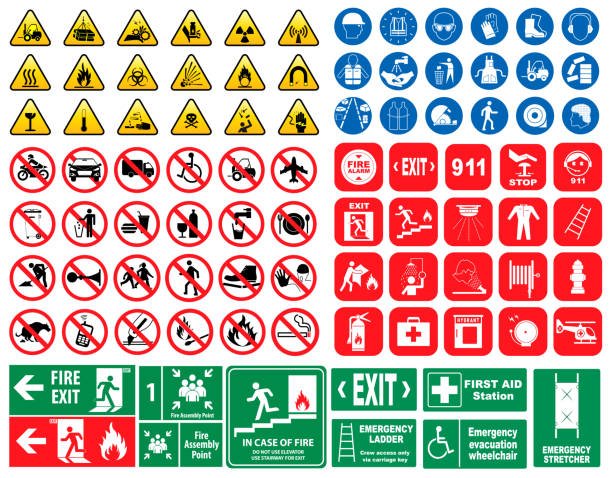
Safety signs are an essential part of every workplace, helping employees recognize hazards and follow safety instructions. They provide quick and clear communication, especially in environments where risks are present. Understanding different types of safety signs and where to use them can greatly improve workplace safety and reduce accidents.
Every workplace, whether it is a factory, office, warehouse, or construction site, has unique risks. That is why using the correct safety signs and symbols is very important. When these signs are combined with safety slogans, they become even more effective in reminding workers to stay alert and follow safety rules.
What Are Safety Signs?
Safety signs are visual indicators designed to warn people about hazards, provide instructions, or guide safe behavior. They use a combination of colors, shapes, and symbols to deliver messages quickly.
These signs are especially useful in busy environments where workers may not have time to read long instructions. Clear signage helps people understand what to do in seconds, which can prevent serious incidents.
Main Types of Safety Signs
There are several types of safety signs, and each type serves a specific purpose. Knowing these types will help you choose the right sign for the right situation.
Danger Signs
Danger signs are used for serious hazards that can cause severe injury or death. These signs are usually red and black and are placed in high-risk areas.
You should use danger signs near heavy machinery, high-voltage equipment, or areas with toxic materials. These are places where immediate attention is required.
Warning Signs
Warning signs indicate potential hazards that may not be immediately dangerous but can still cause harm. These signs are usually yellow with black symbols.
They are commonly used in areas where there is a risk of slipping, falling, or exposure to heat. Proper use of safety signs and symbols in such areas helps workers stay cautious.
Caution Signs
Caution signs are used for minor hazards or unsafe practices. These signs are often placed in areas where risks are low but still present.
For example, you may see caution signs for wet floors or low ceilings. These signs remind people to be careful and avoid small accidents.
Mandatory Signs
Mandatory signs show actions that must be followed. They are usually blue and include instructions such as wearing safety gear.
These signs are important in workplaces where protective equipment is required. They help ensure that workers follow safety procedures at all times.
Emergency Signs
Emergency signs provide information about emergency exits, first aid stations, and safe routes. These signs are usually green and easy to identify.
They should be placed in visible areas so that workers can quickly find help during emergencies. Combining these signs with safety slogans can improve response during critical situations.
Fire Safety Signs
Fire safety signs indicate the location of fire equipment such as extinguishers and alarms. These signs are usually red and are placed in key areas.
They are essential in all workplaces, especially where fire risks are high. Proper placement ensures quick action in case of fire.
Where to Use Safety Signs
Using safety signs in the right location is just as important as choosing the right type. Signs should always be placed near the hazard they relate to.
- Place warning and danger signs near hazardous equipment or risky areas
- Use mandatory signs at entry points where protective gear is required
- Install emergency signs near exits and first aid stations
- Position fire safety signs close to fire equipment
- Use caution signs in areas with temporary risks like wet floors
Correct placement of safety signs ensures that workers see them at the right time and take appropriate action.
Importance of Clear Signage
Clear and simple signage is key to effective communication. Workers should be able to understand signs quickly without confusion.
Using standard safety signs and symbols helps maintain consistency across the workplace. This makes it easier for employees to recognize and respond to different types of messages.
Simple language and clear visuals are more effective than complex designs. Signs should always be easy to read and understand.
Combining Signs with Training
Safety signs work best when combined with proper training. Employees should understand what each sign means and how to respond.
Training sessions can include explanations of different sign types and the use of safety slogans to reinforce messages. This approach improves awareness and encourages safe behavior.
Common Mistakes to Avoid
- Using too many signs in one area
- Placing signs where they are not visible
- Using unclear or non-standard symbols
- Ignoring the need for employee training
- Failing to update signs when conditions change
Avoiding these mistakes helps improve the effectiveness of safety signs and symbols in the workplace.
Role of Technology in Safety Management
Modern businesses are using digital tools to manage safety more efficiently. Solutions like Workaware help organizations track safety processes, manage risks, and ensure compliance.
By combining technology with proper use of safety signs and symbols, companies can create a more organized and safer environment.
Benefits of Using the Right Safety Signs
- Improves awareness of workplace hazards
- Reduces accidents and injuries
- Ensures compliance with safety regulations
- Supports employee training and communication
- Strengthens safety culture through safety slogans
Conclusion
Understanding the different types of safety signs and where to use them is essential for maintaining a safe workplace. Each type of sign serves a specific purpose and should be used correctly to communicate risks and instructions.
When used properly, safety signs help prevent accidents and guide workers toward safe behavior. By combining clear signage, proper placement, and effective training, businesses can create a strong safety system.


