 WhatsApp Us Now
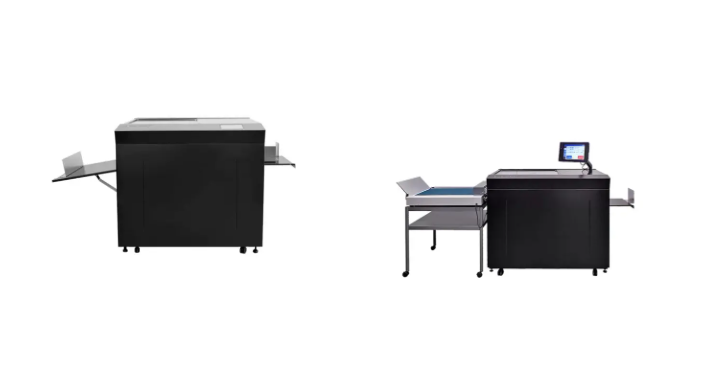
Die cutters are essential tools in industries like packaging, printing, crafting, and manufacturing. Whether you’re using a manual, semi-automatic, or fully automated die cutter, regular maintenance is key to ensuring consistent performance, prolonging lifespan, and avoiding costly breakdowns. Like any precision equipment, a die cutter works best when treated with care and serviced regularly.
In this guide, we’ll explore practical die cutter maintenance tips that can help you keep your machine running at its peak for years to come.
1. Follow the Manufacturer’s Maintenance Schedule
Every die cutter comes with a manufacturer’s manual that outlines recommended maintenance intervals and procedures. Following this schedule ensures that essential parts are inspected, lubricated, and cleaned at the right time. Skipping maintenance can lead to wear and tear that’s both expensive and avoidable.
Pro Tip: Keep a maintenance logbook to record servicing dates, part replacements, and any issues observed. This will help track the machine’s health and anticipate potential problems.
2. Keep the Machine Clean
Dust, paper fibers, adhesive residues, and debris can build up inside the die cutter over time, affecting cutting precision and efficiency. A dirty machine not only reduces output quality but also increases the risk of jams.
- Use a soft brush or compressed air to remove debris from the cutting area after each use.
- Wipe down exterior surfaces to prevent grime buildup.
- Avoid using excessive water or harsh cleaning chemicals, as these can damage sensitive components.
3. Lubricate Moving Parts Regularly
Friction between moving parts is one of the leading causes of wear in die cutters. Proper lubrication reduces friction, ensures smoother operation, and prolongs component life.
- Apply manufacturer-approved lubricants to gears, bearings, and shafts.
- Wipe off any excess oil to prevent it from attracting dust and dirt.
- Schedule lubrication at the frequency recommended in your machine’s manual.
Note: Over-lubrication can be just as harmful as under-lubrication, so follow guidelines carefully.
4. Inspect and Maintain Cutting Dies
The dies themselves are the heart of the die cutting process. Damaged or dull dies can ruin your material and put unnecessary strain on the machine.
- Check for dull edges, cracks, or dents regularly.
- Sharpen or replace worn dies promptly.
- Store dies in a clean, dry place when not in use to prevent corrosion.
5. Check Alignment and Calibration
Even a slight misalignment in a die cutter can cause inaccurate cuts, wasted materials, and machine strain. Regularly check and calibrate the alignment of the cutting plate and dies.
Signs your machine may need recalibration:
- Cuts are not centered or consistent.
- Materials are tearing instead of cutting cleanly.
- Increased noise or vibration during operation.
6. Monitor Electrical Components (for Automated Die Cutters)
If you’re using an electric or automated die cutter, its electrical systems require careful attention. Faulty wiring, worn belts, or malfunctioning sensors can disrupt production and pose safety risks.
- Inspect power cords for damage or fraying.
- Ensure control panels and displays are functioning correctly.
- Have a certified technician service electrical components periodically.
7. Replace Worn Parts Before They Fail
One of the biggest mistakes machine operators make is waiting for a part to break before replacing it. Preventive part replacement reduces downtime and avoids more expensive repairs.
- Keep spare belts, bearings, and cutting mats on hand.
- Replace components showing visible wear before they cause breakdowns.
- Follow OEM part recommendations for replacements.
8. Use the Machine as Intended
Overloading the die cutter, using incorrect materials, or running it at excessive speeds can shorten its lifespan. Always use materials and settings recommended by the manufacturer.
Examples of misuse to avoid:
- Cutting materials that are too thick or tough for the model.
- Forcing the machine to cut without proper alignment.
- Running the machine for extended periods without breaks.
9. Train Operators Properly
Improper handling by inexperienced operators is one of the top causes of machine damage. Make sure every operator understands the correct way to set up, run, and maintain the die cutter.
Training should cover:
- Loading and aligning materials.
- Changing dies safely.
- Cleaning and lubrication steps.
- Recognizing signs of wear or malfunction.
10. Schedule Professional Servicing
Even with daily care, die cutters benefit from professional servicing at least once a year. Technicians can detect hidden issues, perform deep cleaning, and make adjustments to keep the machine in optimal condition.
Final Thoughts
A well-maintained die cutter delivers cleaner cuts, faster production, and fewer breakdowns. By sticking to a regular maintenance routine—cleaning, lubricating, inspecting parts, and scheduling professional servicing—you not only extend your machine’s life but also ensure consistent output quality.
Think of die cutter maintenance as an investment: a small amount of regular care can save you from large repair bills and costly downtime. With the right attention, your die cutter can serve your business smoothly for many years.


