 WhatsApp Us Now
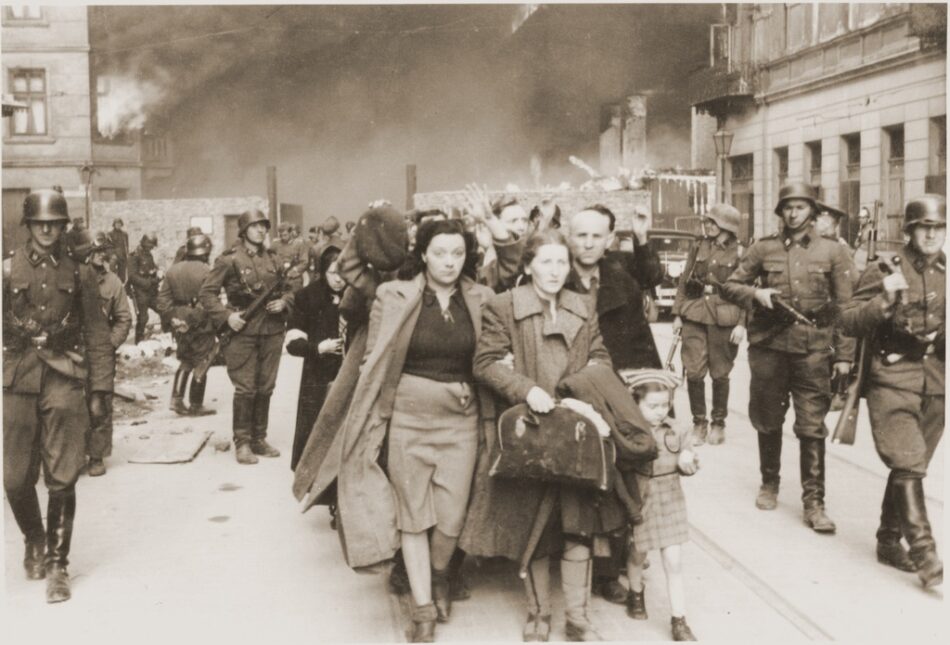
The dark cloud of Nazi Germany cast an ominous shadow over Europe from 1933 to 1945, heralding one of the most brutal chapters in human history. The Holocaust, a period marked by unfathomable suffering and loss, witnessed the systematic attempt to exterminate the Jewish people.
The rise of Nazi Germany unleashed a wave of oppression that targeted every facet of Jewish life. Among the most vulnerable and affected were Jewish students, who faced unprecedented challenges as the Nazis sought to eradicate their community’s future.
The Erosion of Educational Opportunities
As the Nazis strengthened their control, Jewish students were subjected to a systematic campaign to eradicate their presence from the educational system. The Nuremberg Laws of 1935 laid the foundation for this exclusion, stripping Jews of their rights and, among other things, barring them from attending schools with non-Jewish children. This segregation was not merely a physical separation but a deliberate attempt to dismantle the educational and intellectual growth of a generation.
The Closure of Jewish Schools
With Nazis taking over Europe, Jewish schools were systematically closed or repurposed. Those that remained open faced restrictions and were often forced to operate under severe limitations. Teachers, many of whom had been leading figures in their fields, were dismissed or sent to concentration camps, leaving students without the guidance and support they desperately needed.
The Impact on Academic and Social Life
The exclusion from mainstream schools severely impacted Jewish students’ academic progress and social development. They faced isolation from their peers, both physically and socially, which led to a sense of disconnection and loss. The educational gap widened as the regime promoted an ideology of Aryan superiority and anti-Semitic propaganda, further diminishing Jewish students’ aspirations and their opportunities.
The Underground Education Movement
In response to these daunting challenges, Jewish families and educators exhibited remarkable resilience and resourcefulness. The need to preserve education and intellectual growth became a form of resistance against Nazi oppression.
Secret Schools and Underground Learning
To counter the Nazi restrictions, secret schools and underground classes were established. These clandestine educational institutions provided a semblance of normalcy and continuity for Jewish students. They operated in hidden locations, often with significant risk, but they were determined to keep the flame of learning alive. These efforts ensured Jewish students could continue their education, albeit under challenging conditions.
The Role of Jewish Youth Organizations
Jewish youth organizations played a crucial role in maintaining educational and cultural activities. Groups such as the Zionist youth movements organized secret meetings, classes, and cultural events. These organizations provided educational opportunities, a sense of community, and hope amidst the growing darkness.
The Legacy of Jewish Scholars
Many Jewish students who survived the Nazi era went on to make significant contributions to various fields, despite the profound disruption of their education.
The struggles of Jewish students under Nazi rule were symbolic in tackling the broader efforts to suppress and dehumanize an entire community. Their experiences remind us to safeguard educational and intellectual freedom and stand against oppression. The legacy of these students serves as a powerful call to uphold the values of dignity, perseverance, and resilience in challenging times.
Jews Have Horns: An Anthology of Antisemitism by Sara Pierce and Wilbur Pierce celebrates Jewish heroism and highlights the lesser-known struggles of the Jewish people. It urges the world to recognize the sacrifices made by the Jewish community to pursue their freedom and progress.


