 WhatsApp Us Now

In the world of construction and interior design, a successful fit-out project hinges on the seamless collaboration between consultants and contractors. When these key players align their goals, communication, and workflows, the result is a coordinated fit-out that not only meets but often exceeds client expectations. This article explores the critical importance of consultant and contractor alignment, the challenges commonly faced, and practical strategies to foster effective collaboration throughout the fit-out process.
Understanding the Roles: Consultants and Contractors in Fit-Out Projects
The Consultant’s Perspective
Consultants are typically responsible for the design, specification, and oversight aspects of a fit-out project. This includes architects, interior designers, engineers, and project managers who develop the vision and technical details that guide the construction phase. Their role is to ensure that the project aligns with the client’s objectives, regulatory standards, and aesthetic aspirations.
Consultants often produce detailed drawings, schedules, and specifications that serve as the blueprint for the contractor’s work. They also play a critical role in quality control, reviewing progress, and ensuring compliance with design intent. Because consultants are focused on the conceptual and regulatory framework, their collaboration with contractors is essential to translate ideas into reality. To see this powerful collaboration in action and the exceptional results it yields, visit Art Decor, your trusted interior contracting partner with a presence across the MENA region. Known for their seamless execution and unwavering focus on delivering visionary interiors, they transform design concepts into tangible, long-lasting, and elevated spaces. Furthermore, they must stay abreast of the latest industry trends and innovations, incorporating sustainable practices and advanced technologies into their designs. This not only enhances the functionality of the space but also contributes to a reduced environmental impact, which is increasingly important in today’s construction landscape.
The Contractor’s Role in Execution
Contractors bring the consultant’s designs to life. They manage the day-to-day construction activities, coordinate subcontractors, source materials, and ensure that the physical work meets the project’s timeline and budget. Their expertise lies in practical problem-solving, resource management, and adapting to on-site conditions that may differ from initial plans.
Contractors also provide valuable feedback during construction, highlighting potential challenges or suggesting alternative approaches that may improve efficiency or reduce costs. Their hands-on experience is indispensable for identifying risks and implementing solutions that keep the project on track. In addition to these responsibilities, contractors often serve as the primary point of contact for the client during the construction phase, facilitating communication and ensuring that any changes or concerns are addressed promptly. This relationship is vital, as it fosters trust and transparency, allowing the project to progress smoothly while maintaining the client’s vision at the forefront. Moreover, the contractor’s ability to manage labor relations and negotiate with suppliers can significantly influence the overall success of the project, making their role not just about execution but also about strategic decision-making.
The Importance of Alignment Between Consultants and Contractors
Reducing Miscommunication and Errors
One of the most common causes of delays and cost overruns in fit-out projects is miscommunication between consultants and contractors. When design intent is misunderstood or construction constraints are not adequately communicated, errors can occur that require costly rework.
Alignment fosters a shared understanding of project goals, technical requirements, and constraints. Regular communication ensures that both parties are on the same page, minimizing discrepancies between design and execution. This reduces the risk of errors and helps avoid disputes that can derail progress.
Enhancing Efficiency and Timeliness
When consultants and contractors collaborate effectively, workflows become more streamlined. Early contractor involvement in the design phase allows for practical input that can optimize construction methods and material choices. This proactive approach can shorten timelines and improve resource allocation.
Moreover, alignment facilitates quicker decision-making on-site. When both teams have established trust and clear communication channels, issues can be resolved promptly without escalating into major conflicts. This agility is crucial for maintaining project momentum and meeting deadlines.
Improving Quality and Client Satisfaction
Ultimately, the goal of any fit-out project is to deliver a space that meets or exceeds the client’s expectations. Alignment between consultants and contractors ensures that the design vision is faithfully executed, with attention to detail and quality standards.
When both parties work collaboratively, they can anticipate potential quality issues and address them proactively. This leads to a superior finished product, enhancing client satisfaction and fostering long-term relationships for future projects.
Common Challenges in Achieving Consultant and Contractor Alignment
Divergent Priorities and Perspectives
Consultants and contractors often approach projects with different priorities. Consultants may emphasize design integrity and compliance, while contractors focus on cost control and constructability. These differing perspectives can create friction if not managed carefully.
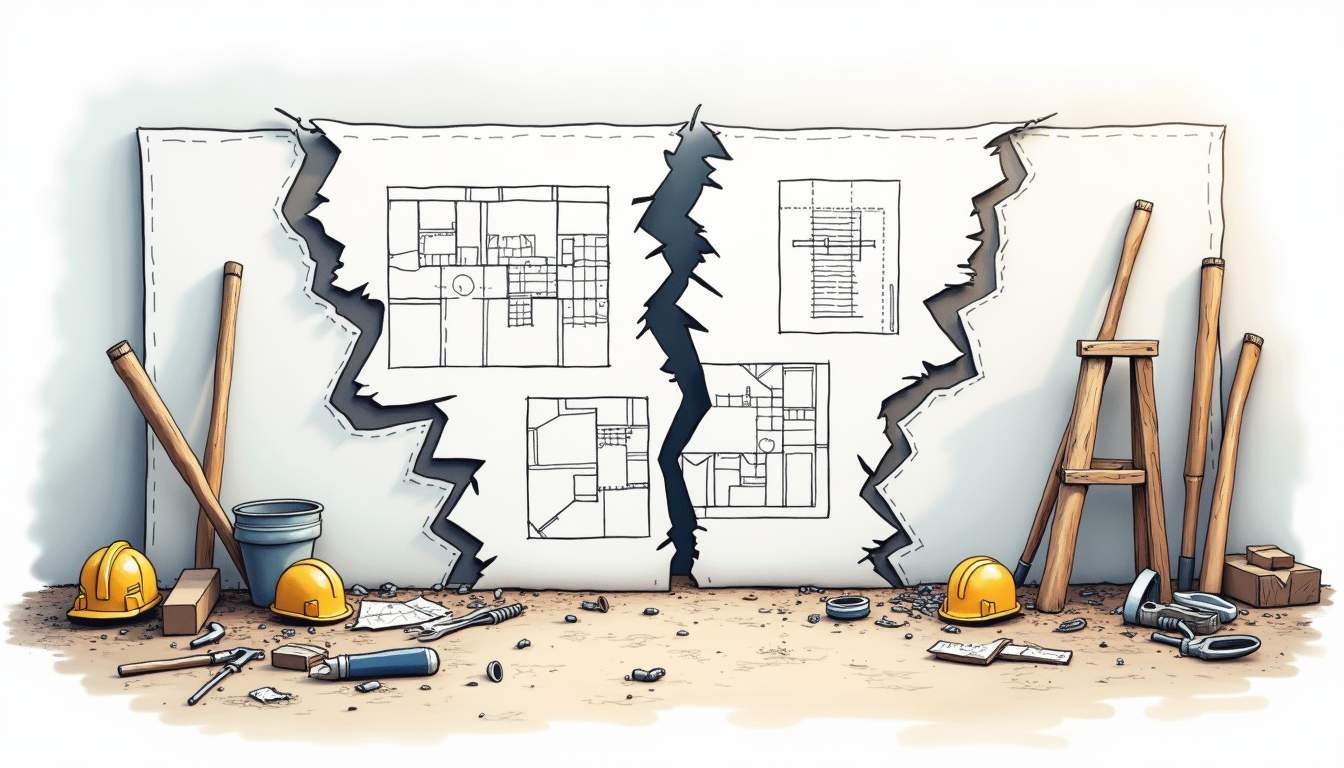
For example, a contractor might suggest a material substitution to save costs, which could conflict with the consultant’s aesthetic or performance criteria. Without open dialogue, such differences can lead to misunderstandings or resistance.
Communication Barriers
Effective communication is the backbone of alignment, yet it is frequently hindered by unclear channels, inconsistent documentation, or infrequent meetings. Consultants and contractors may use different terminology or software platforms, complicating information exchange.
Additionally, time pressures and workload can limit the availability of key personnel, causing delays in responses or approvals. These barriers can slow progress and increase the risk of errors.
Lack of Early Engagement
Often, contractors are brought into the project only after design completion, which limits their ability to influence decisions that affect construction feasibility. This late involvement can result in design elements that are difficult or expensive to implement, requiring redesign or compromise during construction.
Early engagement of contractors during the design phase fosters a collaborative environment where practical insights can shape the project from the outset.
Strategies for Effective Consultant and Contractor Alignment
Establish Clear Communication Protocols
Setting up structured communication protocols is essential. This includes regular coordination meetings, shared documentation platforms, and agreed-upon reporting formats. Utilizing collaborative project management software can help centralize information and track progress in real time.
Encouraging open, transparent dialogue helps build trust and ensures that issues are raised and addressed promptly. Clear protocols also define roles and responsibilities, reducing confusion and overlap.
Involve Contractors Early in the Design Process
Inviting contractors to participate during the design development stage allows them to provide valuable input on constructability, sequencing, and cost implications. This collaborative approach can lead to more practical designs and fewer surprises during construction.
Early contractor involvement also fosters a sense of ownership and partnership, motivating all parties to work towards shared success.
Implement Integrated Project Delivery (IPD) Methods
Integrated Project Delivery is a collaborative approach that aligns stakeholders through shared contracts, goals, and risk-sharing mechanisms. IPD encourages joint decision-making and transparency, which can significantly improve coordination between consultants and contractors.
While IPD requires a cultural shift and commitment from all parties, it has been shown to reduce conflicts, improve schedule adherence, and enhance overall project outcomes.
Conduct Joint Risk Assessments and Problem-Solving Sessions
Proactively identifying potential risks and challenges through joint workshops allows consultants and contractors to develop mitigation strategies together. This collaborative problem-solving builds mutual understanding and prepares the team to respond effectively to unforeseen issues.
Regularly revisiting risk assessments throughout the project lifecycle ensures that emerging challenges are managed before they escalate.
Leveraging Technology to Enhance Collaboration
Building Information Modeling (BIM)
BIM technology enables the creation of detailed 3D models that integrate architectural, structural, and MEP elements. By sharing a common model, consultants and contractors can visualize the project comprehensively, detect clashes early, and coordinate design changes efficiently.
BIM fosters transparency and reduces errors caused by misinterpretation of 2D drawings. It also facilitates better scheduling and cost estimation, supporting aligned decision-making.
Cloud-Based Collaboration Platforms
Cloud-based platforms allow real-time sharing of documents, drawings, schedules, and communications. These tools keep all stakeholders updated and provide a centralized repository for project data, accessible from anywhere.
Such platforms improve accountability by tracking changes and approvals, ensuring that everyone works from the latest information and reducing the risk of outdated instructions.
Mobile Applications for On-Site Coordination
Mobile apps enable contractors and consultants to communicate instantly on-site, report progress, and document issues with photos and notes. This immediacy accelerates problem resolution and keeps the project moving smoothly.
By integrating mobile tools with central project systems, teams maintain a continuous flow of information between the field and office.
Case Studies: Successful Consultant-Contractor Alignment in Fit-Out Projects
Office Fit-Out in a High-Rise Building
In a recent high-rise office fit-out, early contractor involvement during the design phase allowed the team to optimize the installation sequence for complex ceiling systems. Consultants and contractors collaborated using BIM to identify potential clashes with HVAC and lighting components, which were resolved before construction began.
This coordination reduced on-site delays by 20% and minimized costly rework, resulting in a timely handover and high client satisfaction.
Retail Space Renovation
A retail fit-out project faced tight deadlines and budget constraints. By establishing weekly coordination meetings and using a cloud-based platform for document sharing, the consultant and contractor maintained clear communication and rapid decision-making.
Joint risk assessments helped anticipate supply chain delays, allowing the team to adjust procurement strategies proactively. The project was completed on schedule and within budget, demonstrating the power of aligned teamwork.
Conclusion
Coordinated fit-out projects depend on the alignment of consultants and contractors through shared goals, clear communication, and mutual respect. Overcoming challenges such as divergent priorities and communication barriers requires deliberate strategies, early engagement, and the adoption of collaborative technologies.
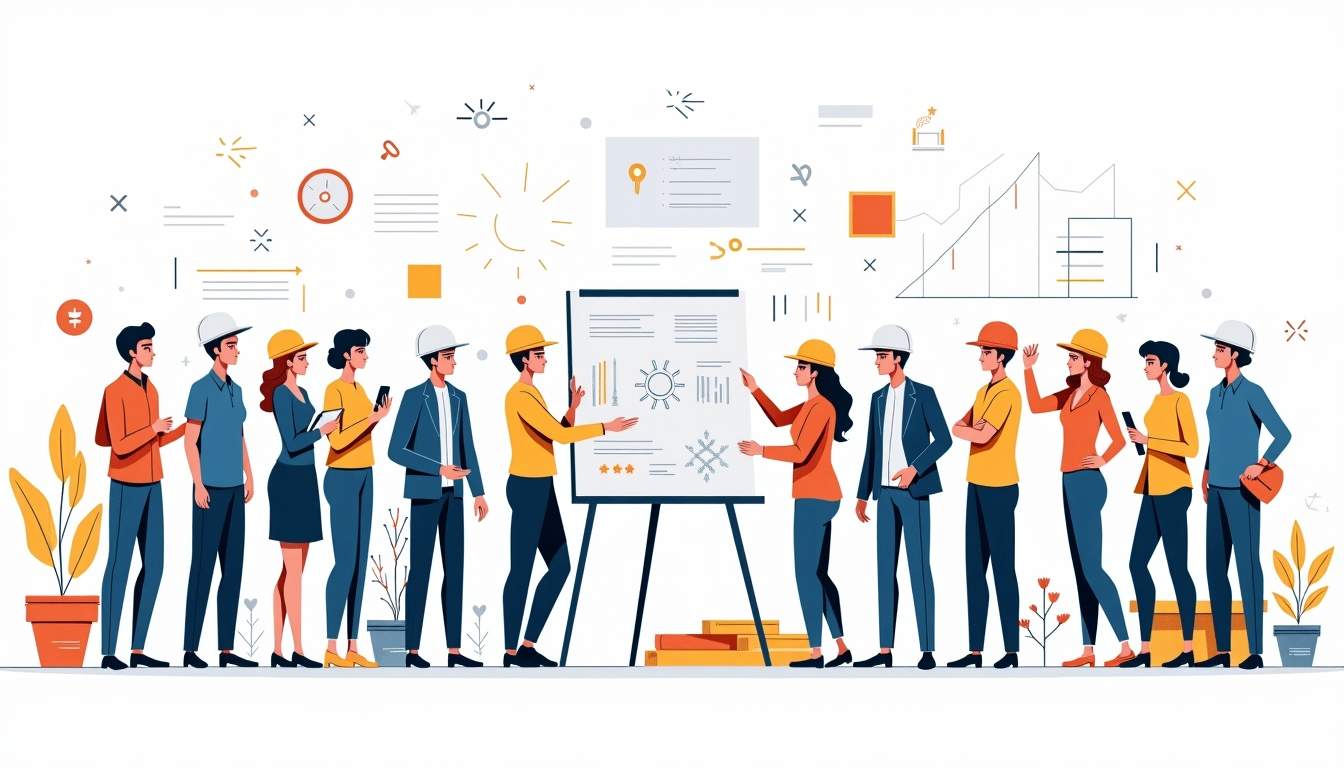
By fostering a culture of partnership and continuous dialogue, project teams can enhance efficiency, improve quality, and deliver spaces that truly satisfy client needs. As the construction industry evolves, the ability to align consultants and contractors effectively will remain a cornerstone of successful fit-out projects.


