 WhatsApp Us Now
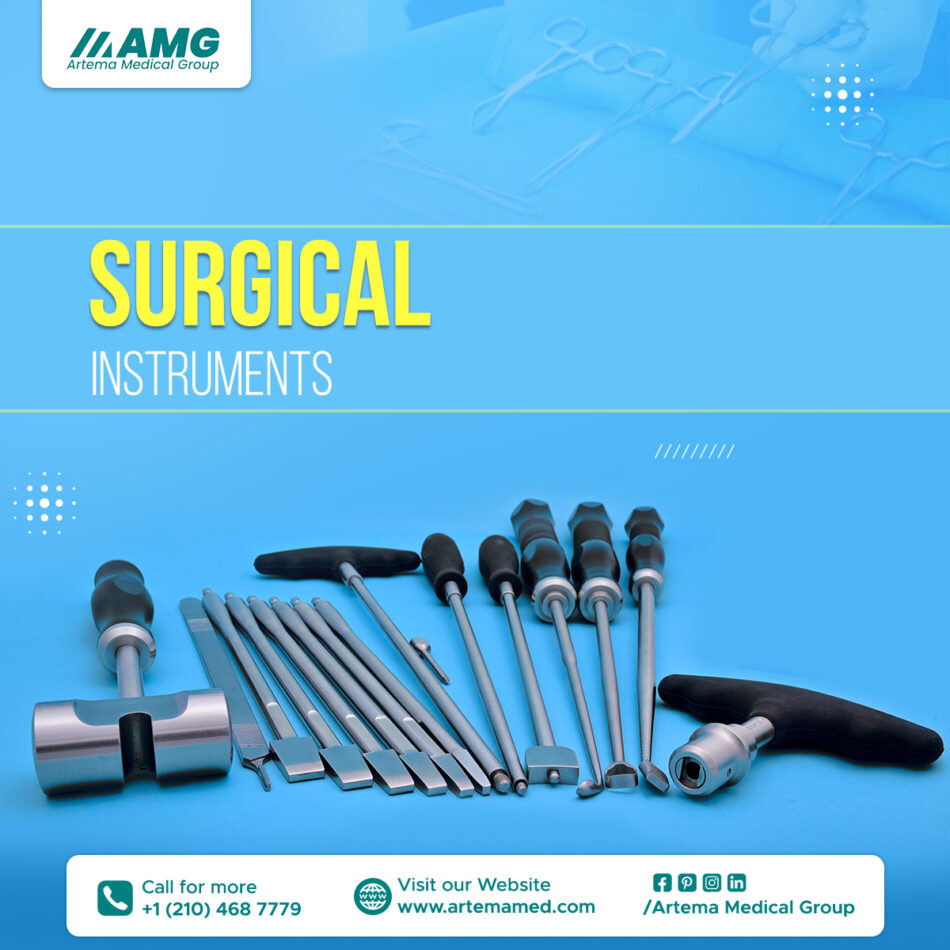
Surgical instruments are the backbone of any successful operation. These tools allow surgeons to perform procedures with precision, safety, and control. Whether it’s a simple stitch or a complex heart surgery, having the right instrument is essential. Understanding the most common surgical instruments is not only important for surgeons but also for medical students, nurses, and general surgical associates who assist during procedures. This guide provides a clear overview of the most frequently used surgical instruments and their functions in the operating room.

Understanding Surgical Instruments
Surgical instruments are specially designed tools that help in performing specific tasks during surgical procedures. They are usually made of high-grade stainless steel to ensure strength, durability, and resistance to corrosion. While advanced surgeries may require specialized tools, general surgical instruments are commonly used across a wide range of procedures and are considered essential for any surgical team.
These instruments are typically categorized based on their function, including cutting, grasping, retracting, clamping, and suturing. Each instrument is crafted to perform a specific task efficiently, allowing for minimal damage to surrounding tissue and maximum visibility for the surgeon.
Cutting and Dissecting Instruments
Cutting instruments are among the most recognizable in the surgical field. The most common example is the scalpel, which is used to make incisions in the skin and other tissues. Scalpels come in different sizes, and the blade can be replaced depending on the surgical need.
Another cutting instrument is the surgical scissors, which come in straight and curved varieties. Straight scissors are typically used to cut sutures or external tissue, while curved scissors allow better access to deeper areas within the body. These tools are crucial for both opening and shaping tissue during procedures.
Grasping and Holding Instruments
During surgery, tissues and organs need to be held in place or moved aside. Instruments such as forceps and needle holders are used for these tasks. Forceps come in different designs, such as toothed or smooth, depending on the type of tissue they need to hold. They are essential in both open and minimally invasive surgeries.
Needle holders are specifically designed to hold needles securely during suturing. They ensure that the needle is steady, allowing for accurate placement of sutures and reducing the chance of injury to the surrounding area.
Clamping and Occluding Instruments
Clamps are used to control bleeding and manage blood flow during surgery. Hemostats are one of the most common clamping tools. They are used to clamp blood vessels temporarily and prevent blood loss during an operation. These tools come in a variety of sizes and shapes to suit different procedures.
Other clamping instruments include vascular clamps, which are used in more delicate operations involving arteries and veins. These clamps are designed to be gentle yet secure, ensuring minimal damage to the blood vessel walls while still stopping the flow effectively.
Retracting and Exposing Instruments
Retraction is important for improving visibility and access during surgery. Retractors are used to pull back skin, tissue, or organs to expose the surgical area. Some retractors are handheld, while others are self-retaining and can be set in place to keep the surgical field open without constant manual effort.
One common general surgical instrument used for retraction is the Senn retractor, which has both a blunt and sharp end for various types of tissue. Another popular one is the Weitlaner retractor, often used in orthopedic and back surgeries for its wide retraction ability.
Suturing and Stapling Instruments
Once a procedure is completed, the surgeon needs to close the incision site. This is done using sutures or staples, and the tools used in this phase are vital for proper wound healing. Suture needles, needle holders, and surgical staplers are key instruments in this part of the operation.
Surgical staplers offer a quicker and often more consistent method of closing wounds, especially in larger surgeries such as bowel resections. Needle holders, on the other hand, give the surgeon greater control when placing individual sutures in more delicate or precise areas.
The Role of General Surgical Associates
While surgeons perform the actual operation, general surgical associates are the ones responsible for preparing and managing these instruments. Their work ensures that every tool is sterile, functional, and readily available when needed. They are also trained to anticipate the surgeon’s needs during the procedure, passing the correct instruments quickly and efficiently.
General surgical associates must know the names and functions of all common surgical instruments. Their knowledge is vital in maintaining a sterile and organized surgical environment, which directly affects the outcome of any procedure.
The Importance of Instrument Maintenance
No surgical instrument lasts forever without proper care. Maintenance involves regular cleaning, sterilization, inspection, and repair. Instruments must be carefully examined after each use to check for any signs of damage or wear. Even a small crack or bend can cause issues during surgery.
General surgical instruments must be handled with care to prevent contamination or damage. Autoclaves and other sterilization equipment are used to kill bacteria and other pathogens, ensuring that each instrument is safe to use in the next procedure. Proper storage also helps extend the lifespan of surgical instruments.
Keeping Up with Surgical Advancements
The field of surgery is always evolving, and so are the instruments used. While general surgical instruments remain essential, newer tools are being introduced to meet the demands of modern surgical techniques. For example, laparoscopic instruments are designed for minimally invasive procedures and require specific training and handling.
Even with these advancements, the basic categories of surgical instruments remain the same. Surgeons and general surgical associates alike must continue their education to stay up to date with the latest tools and techniques in the operating room.
Conclusion
Surgical instruments are more than just tools—they are extensions of the surgeon’s hands and eyes. They allow for precision, safety, and control during even the most complex procedures. General surgical instruments play a major role in most surgeries and are used by both experienced surgeons and general surgical associates who ensure their readiness and proper handling.
Understanding these instruments, how they work, and how they are maintained is essential for anyone involved in surgical care. As medicine advances, so too will the instruments and techniques, but the need for knowledge, skill, and teamwork in using these tools will remain constant. Whether in a major hospital or a local clinic, surgical instruments will always be central to safe and effective patient care.
More info: Artema Medical


