 WhatsApp Us Now
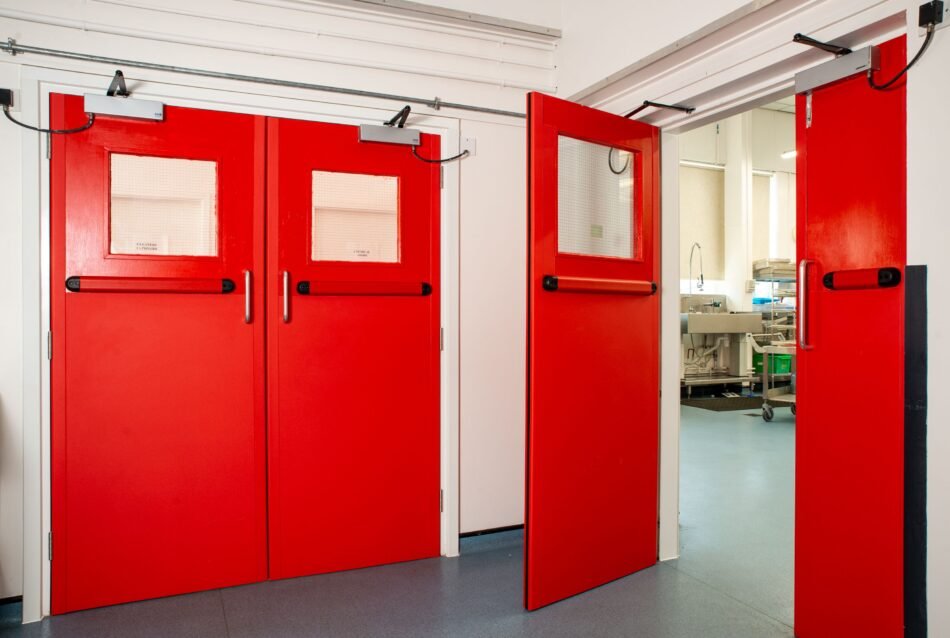
A fire rated main door is a specially designed door which can withstand fire and smoke for a specified period of time, normally 30 to 60 minutes. In Singapore, the HDB regulations specify approved fire rated doors at main entrances to retard fire spread, protect escape routes and allow time for residents to evacuate safely.
If you are renovating your HDB flat or moving into a new home, choosing the right HDB fire rated door is one of the most important decisions you will make. It is not just about compliance — it is about protecting your family. This guide walks you through everything: regulations, materials, designs, and what to look for during installation.
Why HDB Fire Rated Doors Are Mandatory in Singapore
All HDB flats are required to have a fire rated main entrance door as stipulated by the Singapore Civil Defense Force (SCDF). This is already a requirement under the Fire Safety Act and HDB’s own renovation guidelines. The door shall be SS 332 compliant which is the national standard of Singapore for the fire resistance performance of door sets.
The SCDF still receives a lot of emergency calls for residential fires in Singapore. A compliant fire rated door can hold back a fire for at least 30 minutes, which is usually enough time for residents to escape and for firefighters to respond.
What Makes a Door “Fire Rated”?
Not every solid or heavy door qualifies as fire rated. A fire rated door is a tested assembly — this includes the door leaf, frame, hardware, and seals working together. Here is what the rating actually means:
- FD30: Provides 30 minutes of fire resistance — the minimum required for HDB main doors
- FD60: Provides 60 minutes of fire resistance — used in higher-risk or commercial applications
- Intumescent seals: These expand under heat to block smoke and flames from passing through door gaps
- Self-closing mechanism: Required by HDB to ensure the door closes automatically after use
All components must work together as a tested system. Replacing one part — say, the hardware — with a non-certified alternative can void the door’s fire rating entirely.
HDB Fire Rated Door Requirements You Must Know
Compliance with SS 332
The door has to be tested and certified to SS 332, Singapore’s standard for fire door sets. This test measures integrity (flames stopping) and insulation (heat transfer limitation). Ask your supplier for test certification, not just a verbal assurance.
Approved by HDB
HDB maintains a list of approved fire doors and suppliers. Before purchasing, verify that the product is on the HDB’s approved materials list. Using an unapproved door — even if it looks the part — can result in failed inspections and the need to replace the door entirely.
Self-Closing Device
HDB requires all fire rated main doors to be fitted with a functioning self-closer. This brings the door back to a closed position after each use, and always maintains the fire barrier. But leaving the door open defeats this purpose, even for a moment.
Choosing the Right Material for Your Fire Rated Door
The core material affects fire performance, weight, aesthetics, and long-term maintenance. Here are the most common options available in Singapore:
| Material | Fire Rating | Aesthetics | Maintenance |
|---|---|---|---|
| Steel | FD30 – FD60 | Industrial, modern | Low |
| Timber (solid core) | FD30 | Warm, classic | Medium |
| Engineered wood | FD30 | Flexible finishes | Medium |
| Composite | FD30 – FD60 | Customisable | Low to medium |
Steel doors are the most durable and require the least upkeep in Singapore’s humid climate. Timber and engineered wood offer a warmer look but may require periodic sealing to prevent warping. Composite doors offer a middle ground — good aesthetics with reasonable durability.
Design Options That Still Meet Fire Safety Standards
A common misconception is that fire rated doors have to look institutional or plain. That is no longer the case. Modern fire rated doors come in a wide range of finishes — wood grain laminates, powder-coated colours, and even custom panel designs — all while maintaining the required certification.
What you cannot compromise on:
- The door must remain a solid core — no hollow panels
- Any glass panels must use fire rated glass tested as part of the assembly
- Decorative hardware must not interfere with the self-closing function
- Surface finishes must not reduce the door’s tested fire resistance
Work with a supplier who can show you certified options with design flexibility, rather than asking you to choose between safety and style.
The Installation Process: What to Expect
Step 1 — Measure Accurately
Fire rated doors are not one-size-fits-all. Your installer must measure the existing door frame precisely. An ill-fitting door — even a certified one — will not perform correctly in a fire because gaps around the frame can allow smoke and heat to pass through.
Step 2 — Engage a Licensed Contractor
HDB requires that renovation work involving fire rated components be carried out by a licensed renovation contractor registered with HDB. Using an unlicensed contractor risks non-compliance and potential safety hazards.
Step 3 — Do Not Modify the Assembly
Once installed, do not drill additional holes, change the hinges, or alter the frame without consulting your supplier. Any modification to the tested assembly may invalidate the fire rating — and your HDB compliance.
Step 4 — Test Before Sign-Off
After installation, check that the self-closer functions correctly, the door seals flush against the frame on all sides, and the latch engages properly. These are the three most common failure points in post-installation checks.
Common Mistakes HDB Homeowners Make
- Choosing based on price alone: A cheaper door without proper certification could mean replacing it entirely after an HDB inspection
- Ignoring the self-closer: Many homeowners disable or remove the self-closer because they find it inconvenient — this is a fire safety violation
- Buying from non-approved suppliers: Always verify the HDB approval status of both the product and the installer
- Skipping the warranty check: A quality fire rated door should come with both a product warranty and documentation of its fire test certification
How to Evaluate a Fire Rated Door Supplier in Singapore
Before committing, ask your supplier these questions:
- Is this door certified to SS 332 and approved by HDB?
- Can you provide the fire test certificate for this specific model?
- Are your installation teams registered with HDB?
- What is the warranty on the door and its components?
- Do you handle the full supply-and-install, or just supply?
A reputable supplier will answer these without hesitation. If you encounter vague answers or pressure to proceed without documentation, treat that as a red flag.
For HDB homeowners looking for certified options with strong design variety and professional installation, Doorlab offers a curated range of fire rated main doors built to meet Singapore’s compliance standards — without compromising on aesthetics.
Frequently Asked Questions
Is a fire rated door compulsory for all HDB flats in Singapore?
Yes. HDB requires all main entrance doors in HDB flats to be fire rated, meeting the SS 332 standard. This applies to both new flats and renovation projects. The door must also be fitted with an approved self-closing device to maintain compliance.
What is the minimum fire rating required for an HDB main door?
The minimum requirement is FD30 — meaning the door must withstand fire and smoke for at least 30 minutes. This rating is tested as a full assembly including the frame, seals, and hardware, not just the door leaf on its own.
Can I customise the design of my HDB fire rated door?
Yes, within limits. You can choose from various finishes, colours, and panel designs as long as the core assembly retains its fire rating certification. Any design modification must not compromise the structural integrity or tested performance of the door.
How long does installation of a fire rated main door take?
A standard fire rated main door installation typically takes half a day to one full day, depending on site conditions and whether the existing frame needs to be replaced. Always engage an HDB-registered contractor to ensure the work is compliant.


