 WhatsApp Us Now
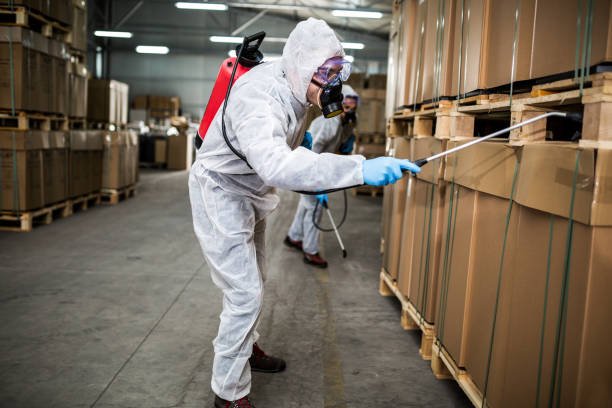
Commercial properties face pest risks that differ from residential buildings. Large spaces provide more hiding areas, food sources, and entry points. Warehouses, offices, restaurants, and retail sites can all attract unwanted pests. Moreover, one small infestation can spread across several areas quickly. Property managers must therefore treat pest control as an ongoing responsibility. Regular inspections can reveal early signs before problems become expensive. Likewise, proper sanitation can reduce conditions that support pest activity. A strong pest management plan also protects employees, customers, tenants, and valuable assets. Instead of reacting to visible pests, managers should prevent infestations through planned inspections and targeted treatments. This approach reduces disruption while supporting healthier and cleaner commercial environments.
Why Commercial Properties Need a Planned Pest Strategy
Commercial buildings often contain several conditions that attract pests. Food storage areas, waste rooms, loading docks, and kitchens create common risks. Meanwhile, damaged walls and poorly sealed doors can provide easy access. Shared plumbing systems may also allow pests to move between different sections. Therefore, property managers should understand how pests enter, feed, hide, and reproduce. A planned approach makes these risks easier to identify and control. For many businesses, karachi pest control services provide structured support through inspections and targeted treatments. However, professional treatment works best when building maintenance supports the process. Managers should combine pest control with sanitation, repairs, waste management, and employee awareness. This integrated approach helps prevent repeated infestations and reduces unnecessary chemical use.
Start With a Detailed Property Inspection
A thorough inspection should always guide the pest management plan. Professionals should examine both visible areas and less accessible spaces. They should check kitchens, storage rooms, ceilings, basements, drains, and service areas. Additionally, loading zones deserve close attention because doors remain open during deliveries. Inspectors should look for droppings, damaged materials, nesting signs, grease marks, and insect activity. They should also identify moisture sources and structural gaps. These findings help determine the pest species and infestation level. Consequently, treatment can focus on the areas creating the greatest risk. Property managers should request clear inspection findings after each visit. Good records should include affected areas, observed pests, treatment actions, and recommended repairs. These records also help identify recurring problems and measure long-term progress.
Identify Common Commercial Pest Entry Points
Pests often enter through small openings that receive little attention. Doors, windows, vents, drains, and utility openings can create easy access. Cracks around foundations may also allow rodents and insects to enter. Furthermore, delivery shipments can introduce pests into warehouses and retail facilities. Property managers should inspect incoming goods whenever practical. Damaged packaging deserves particular attention because insects may hide inside cartons. Door sweeps and weather seals can reduce access around external doors. Likewise, mesh screens can protect vents and other openings without restricting airflow. Managers should also repair broken walls, damaged ceilings, and loose floor sections. These measures strengthen the building against future pest entry. Prevention becomes easier when maintenance teams report structural weaknesses quickly.
Improve Sanitation and Waste Management
Clean facilities give pests fewer opportunities to find food and shelter. However, commercial buildings require consistent cleaning because activity levels remain high. Food businesses face greater risks because crumbs, grease, and spills attract many pests. Therefore, staff should clean food preparation surfaces throughout each working day. Waste containers should remain closed and receive regular cleaning. Outdoor bins should also stay away from entrances whenever site conditions allow. Managers should establish clear waste collection schedules for busy facilities. Additionally, storage areas should remain organized and free from unnecessary clutter. Cardboard should receive special attention because it can shelter insects and absorb moisture. Employees should report spills, leaks, and pest sightings without delay. Strong sanitation routines make professional treatments more effective and help prevent recurring infestations.
Choose Treatments Based on the Pest and Property
Different pests require different control methods and treatment strategies. A solution designed for ants may not address rodents or stored-product insects. Therefore, property managers should avoid using the same treatment for every problem. Professionals may use baits, traps, targeted applications, monitoring devices, or exclusion methods. The selected approach should consider the pest species and affected location. It should also account for employees, customers, equipment, and stored products. Food facilities require especially careful treatment planning around preparation and storage areas. Meanwhile, warehouses may need stronger monitoring around loading docks and inventory zones. Managers should always understand treatment instructions before allowing staff to re-enter treated spaces. Clear communication reduces safety risks and prevents accidental exposure. Targeted treatments can also reduce unnecessary chemical application across unaffected areas.
Protect Employees, Customers, and Tenants
Commercial pest control must fit the building’s daily operations. Treatment schedules should minimize disruption to employees, visitors, and customers. Managers should communicate treatment dates and access restrictions before work begins. They should also follow all product labels and professional safety instructions. Sensitive areas may require temporary closure during specific treatment procedures. Moreover, food and personal items should receive appropriate protection before applications begin. Staff should never handle professional pest control products without proper authorization and training. Clear signage can also prevent people from entering restricted areas. After treatment, managers should confirm when normal activities can safely resume. These simple steps create a more organized process and reduce avoidable confusion. Safety should remain central throughout inspection, treatment, cleanup, and follow-up activities.
Build a Regular Monitoring Schedule
One treatment rarely solves every commercial pest problem permanently. Pests can return when food, moisture, or entry points remain available. Therefore, property managers should create a regular monitoring schedule. Inspection frequency should reflect the building’s size, use, pest history, and risk level. High-risk facilities may require more frequent inspections and monitoring. Technicians can use traps, monitoring stations, and visual checks to identify new activity. Managers should review monitoring results after each service visit. This information helps determine whether treatments are working as intended. It can also reveal new entry points or sanitation weaknesses. Furthermore, consistent monitoring creates a documented history of pest activity. That history helps managers respond faster when new signs appear. Regular service also supports prevention rather than repeated emergency treatment.
Train Staff to Recognize Early Warning Signs
Employees can become an important part of a commercial pest management program. Staff members often notice unusual activity before managers or technicians arrive. Training should teach them to recognize droppings, damaged packaging, nesting materials, and live pests. They should also understand where to report sightings. Quick reporting allows professionals to investigate before an infestation expands. Additionally, employees should know basic sanitation practices for their work areas. Managers can provide simple checklists for kitchens, storage rooms, offices, and waste areas. These checks encourage staff to identify problems during normal routines. However, employees should not attempt professional treatments themselves. Their role should focus on observation, reporting, cleaning, and prevention. A trained workforce creates another layer of protection for the entire property.
Review Results and Improve the Plan
Effective pest management requires regular review rather than a fixed routine. Property managers should examine service reports and compare recurring issues over time. They should ask whether pest activity is decreasing after each treatment. If problems continue, managers should investigate underlying causes. These causes may include leaks, poor sanitation, structural gaps, or delivery practices. Sometimes the treatment method may also require adjustment. Therefore, communication between managers and pest professionals remains essential. Managers should document repairs and confirm whether recommended actions were completed. They should also track complaints from tenants, employees, and customers. This information provides useful evidence when evaluating the property’s pest risks. Over time, these records can help create a more efficient prevention strategy.
Final Thoughts
Commercial pest control works best when prevention becomes part of property management. Regular inspections, sanitation, maintenance, monitoring, and staff training all support better results. Moreover, targeted professional treatments can address active problems without unnecessary disruption. Property managers should focus on identifying causes rather than treating visible pests alone. A documented program also makes recurring issues easier to detect and correct. When teams work together, businesses can maintain cleaner, safer, and more reliable facilities. Most importantly, managers should respond quickly when they notice early warning signs. Small problems are usually easier to manage than established infestations. A practical, consistent strategy protects the property while supporting daily business operations.


