 WhatsApp Us Now
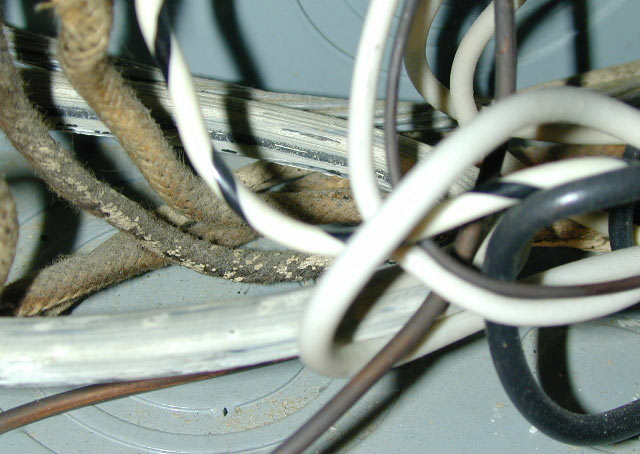
Toronto has many beautiful older homes — from detached houses in East York to semi-detached properties in The Annex and High Park. But charm often comes with outdated electrical systems.
If your home still contains cloth insulated electrical wire, it’s time to understand the risks and the replacement process.
What Is Cloth Insulated Electrical Wire?
Before modern plastic (PVC) insulation, electrical wires were wrapped in fabric-based insulation. This type of wiring was commonly installed from the 1920s to the early 1960s.
Characteristics of old cloth covered electrical wire:
- Fabric outer covering
- Rubber insulation underneath
- No grounding wire in many cases
- Brittle or cracked insulation over time
While it was considered safe decades ago, today it does not meet modern electrical safety standards.
Why Old Cloth Covered Electrical Wire Is a Problem
Electrical systems weren’t designed for today’s power demands. Older wiring was built for:
- Basic lighting
- A few appliances
- Minimal outlet usage
Today, homes use:
- High-powered kitchen appliances
- HVAC systems
- Home offices
- EV chargers
- Entertainment systems
This overload increases fire risks when cloth wiring is still in place.
Common Risks Include:
- Insulation breakdown – Cloth becomes brittle and cracks.
- Exposed wiring – Leads to short circuits.
- Fire hazards – Overheated wires can ignite surrounding materials.
- Insurance issues – Many insurers in Toronto refuse coverage unless wiring is updated.
- No grounding protection – Increases shock risk.
If you notice flickering lights, frequent breaker trips, or warm outlets, your wiring may already be compromised.
Signs You Need to Replace Cloth Wiring
Not sure if your home has cloth wiring? Look for:
- Fabric-wrapped wires in the basement or attic
- Two-prong outlets
- No grounding conductor
- Electrical panels older than 40 years
- Aluminum wiring mixed with cloth wiring
A licensed electrician can confirm during an inspection.
The Process of Cloth Wiring Replacement in Toronto
Replacing cloth wiring is not a small patch job. It typically involves upgrading large sections — sometimes the entire system.
Step 1: Electrical Inspection
A professional inspects your wiring, panel, and circuits to determine scope.
Step 2: Permit & Compliance
Electrical work in Toronto must follow Ontario Electrical Safety Code standards. Permits are often required.
Step 3: Rewiring
Old cloth insulated electrical wire is removed and replaced with modern copper wiring that includes grounding.
Step 4: Panel Upgrade (if necessary)
Older homes often require panel upgrades to handle modern loads.
Step 5: ESA Inspection
Work must pass inspection from the Electrical Safety Authority (ESA).
Can You Partially Replace Cloth Wiring?
In some cases, yes. However, partial replacement may not solve long-term risks. Many Toronto homeowners choose full rewiring during renovations to:
- Increase home value
- Avoid future wall damage
- Improve energy efficiency
- Ensure insurance compliance
How Much Does It Cost to Replace Cloth Wiring in Toronto?
Costs vary depending on:
- Home size
- Accessibility
- Wall construction
- Panel condition
- Number of circuits
On average, full rewiring in Toronto can range from moderate to significant investment, but it adds safety and resale value.
The cost of not replacing it — especially in the event of a fire — is much higher.
Benefits of Upgrading from Cloth Wiring
When you replace cloth wiring, you gain:
- Improved safety
- Grounded outlets
- Higher electrical capacity
- Modern breaker protection
- Better home resale appeal
- Easier insurance approval
For older Toronto properties, rewiring is one of the most valuable long-term upgrades.
Toronto Building & Insurance Considerations
Many insurance companies in Ontario require proof that outdated wiring has been replaced.
Before buying or selling a home, an electrical inspection can reveal hidden cloth insulated electrical wire. Addressing it early avoids closing delays or coverage issues.
Is Cloth Wiring Always Dangerous?
Not always — but it becomes dangerous over time.
If insulation is intact and not overloaded, it may still function. However, age-related deterioration makes it unpredictable.
Given Toronto’s older housing stock, proactive replacement is often the safer choice.
FAQs About Cloth Wiring Replacement in Toronto
Q1: How do I know if my home has cloth wiring?
Check exposed wiring in basements or attics. A licensed electrician can confirm with an inspection.
Q2: Is cloth insulated electrical wire illegal?
It’s not illegal, but it does not meet modern safety standards.
Q3: Can I get insurance with old cloth covered electrical wire?
Many insurers require replacement before issuing or renewing policies.
Q4: How long does rewiring take?
It depends on the size of the home. It can take several days to a couple of weeks.
Q5: Will walls need to be opened?
In most cases, yes — but experienced electricians minimize wall damage.
Q6: Is replacing cloth wiring worth the cost?
Yes. It improves safety, home value, and electrical performance.
Final Thoughts
Toronto’s older homes have character — but outdated electrical systems can put that charm at risk. If your property still contains old cloth covered electrical wire, delaying upgrades may lead to safety hazards, insurance issues, and costly emergencies.
Investing in professional cloth wiring replacement ensures your home meets today’s electrical standards and supports modern energy demands. For safe inspections, code-compliant upgrades, and reliable service, always work with a certified electrician toronto to protect your property and your family.


