 WhatsApp Us Now
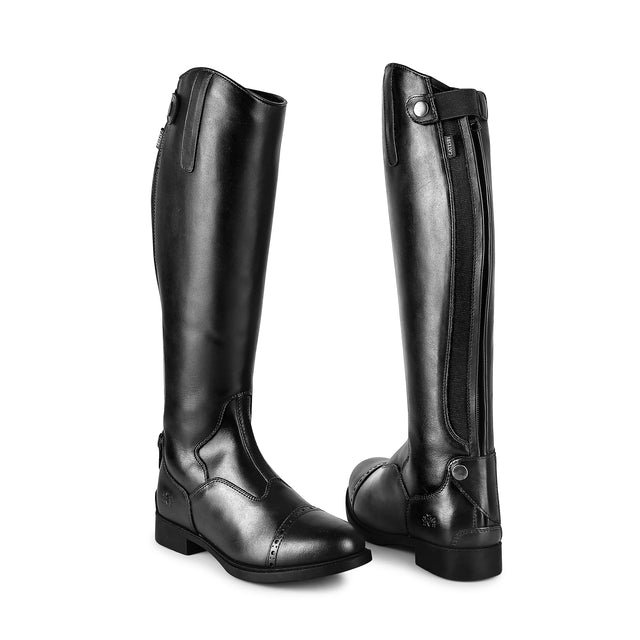
Anyone who has spent a morning mucking out, schooling a young horse, or simply trudging across a wet yard will tell you that footwear makes or breaks the day. Of all the kit a rider invests in, womens horse riding boots tend to matter more than most people expect. They’re not just there to look smart in the saddle; they protect your feet, support your ankles, and give you the grip and stability you need whether you’re hacking out, competing, or doing yard chores in the rain.
This guide looks at what actually matters when choosing boots, the differences between the main styles available, and a few practical tips for getting the fit right and making a pair last.
Why the Right Boot Matters for Every Rider
Riding puts unusual demands on your feet. You need a boot with a smooth sole that won’t catch in the stirrup, enough grip to walk safely on wet concrete or muddy fields, and a shape that supports your ankle without rubbing against the saddle flap. A poorly chosen boot can pinch, slip in the stirrup, or simply fall apart after a few damp winters.
It’s easy to underestimate how much a good pair contributes to confidence in the saddle. If your feet are cold, wet, or uncomfortable, you’re distracted from what you should be focusing on: your horse. That’s really the whole point of a well-designed boot — it should quietly do its job and let you forget it’s there.
What to Look for in Womens Horse Riding Boots
Not all boots are built the same, and the right choice depends heavily on what you actually do day to day. A few practical things worth checking before you buy:
- Sole design – a slim, defined heel is essential for stirrup safety, stopping your foot sliding through.
- Ankle support – particularly important for longer days in the saddle or uneven ground.
- Waterproofing – a genuinely useful feature for anyone riding through a British winter.
- Weight – heavier boots tire your legs faster, especially during long yard days.
- Ease of cleaning – mud is unavoidable, so a boot that wipes clean saves a lot of hassle.
Getting these basics right matters far more than choosing something purely for appearance, though thankfully most modern designs manage to combine both.
Jodhpur Boots vs Long Riding Boots
There are two broad categories most riders choose between. Jodhpur boots are short, ankle-height, and typically paired with jodhpur clips or half chaps for extra leg support. They’re practical, easy to pull on and off, and popular for everyday yard work as well as lessons.
Long boots sit at knee height and offer more complete leg protection and a cleaner silhouette, which is why they’re often favoured for competitions and formal occasions. They can be a bigger investment, but many riders find the extra support and polished look worthwhile once they’re competing regularly.
Neither option is objectively better; it really comes down to your riding style, budget, and how often you’re in the saddle versus doing general yard duties.
Material Matters: Leather, Synthetic, and Everything Between
Leather remains a popular choice thanks to its durability and the way it moulds to your foot over time, though it does need regular conditioning to stay supple and waterproof. Synthetic materials have improved enormously in recent years, offering lighter weight, easier maintenance, and often a lower price point without sacrificing much in the way of support.
Brands such as Catesby England have built a reputation within the equestrian community for producing footwear that balances traditional craftsmanship with practical, everyday wearability — the sort of boot that’s designed to be worn rather than simply admired. When comparing materials, it’s worth thinking honestly about your own routine: if you’re out in all weathers most days, easy-care synthetics or treated leather will likely serve you better than something that demands constant attention.
Getting the Fit Right
Fit is where many riders go wrong, often because boot sizing isn’t always consistent between brands. A few sensible steps:
- Try boots on with the socks you’ll actually wear riding, not casual trainers socks.
- Stand and walk around, not just sit — you need to check comfort in a standing, weight-bearing position.
- Check there’s a little room to wiggle your toes, but not so much that your heel lifts when you walk.
- If buying long boots, pay attention to calf width as well as foot size; a boot that’s too tight around the calf will be uncomfortable within minutes.
If you’re buying online, look for retailers offering a clear returns policy, since fit really is the one thing you can’t fully judge from a photograph.
Caring for Your Boots to Make Them Last
Good boots represent a genuine investment, so it’s worth looking after them properly. Wipe off mud and grit after every ride rather than letting it dry in, as dried dirt can crack leather and clog seams. Leather boots benefit from regular conditioning to keep the material supple, while synthetic boots generally just need a wipe down with a damp cloth.
Storing boots upright, away from direct heat sources like radiators, helps them keep their shape for longer. Many owners of Catesby England boots report that a simple, consistent care routine adds years to the life of a pair, which makes sense — leather and quality stitching reward a bit of regular attention far more than they punish neglect.
Budget vs Investment: Finding Value
It’s tempting to go for the cheapest option, particularly if you’re new to riding and unsure how committed you’ll be. But budget boots often wear out quickly, especially the sole and stitching, meaning you end up replacing them more often than if you’d bought something sturdier from the start.
That said, the most expensive women’s horse riding boots aren’t automatically the best choice either. Value comes from matching the boot to your actual needs — an occasional weekend rider doesn’t need the same specification as someone competing most weekends. Reading reviews from other riders with a similar riding style to yours is often more useful than simply comparing price tags.
Final Thoughts
Choosing womens horse riding boots doesn’t need to be complicated once you know what to prioritise: proper support, a sensible sole, weatherproofing suited to your climate, and a fit that holds up whether you’re standing in the stirrup or walking across the yard. Brands like Catesby England demonstrate that practicality and good design aren’t mutually exclusive, and a well-chosen pair can genuinely improve your day-to-day comfort in the saddle.
Take your time trying different styles, factor in how you actually spend your time around horses, and don’t be afraid to ask fellow riders what’s worked for them. The right boots, once found, tend to become the pair you reach for without a second thought — which is exactly how good kit should feel.
