 WhatsApp Us Now

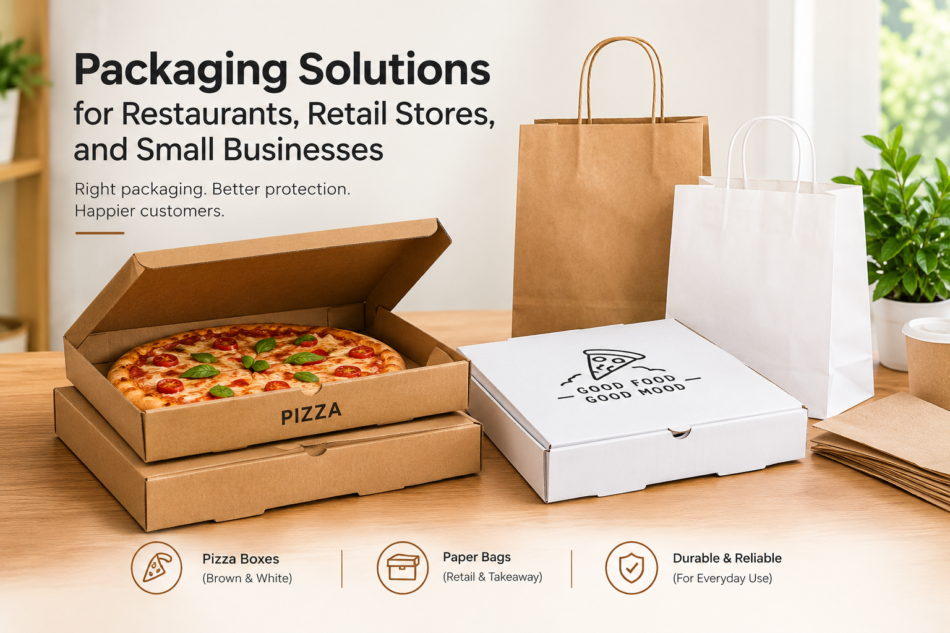
Packaging plays an important role in how customers experience a brand. Whether a business operates a clothing store, bakery, gift shop, cosmetics outlet, or retail showroom, the right packaging helps keep products organized and makes shopping more convenient. Paper bags have become a popular choice for businesses that want practical packaging with a neat and professional appearance.
Different businesses have different packaging requirements. Some prefer a clean and minimal look, while others choose a natural appearance or decorative designs that complement their products. Understanding these options makes it easier to select suitable bags for everyday shopping, special occasions, and business promotions.
Why Paper Bags Are a Useful Packaging Choice
Paper bags are widely used across retail and service industries because they are convenient to carry and can be available in different sizes, colors, shapes, and designs. Businesses can choose bags according to the type of products they sell, their customers’ preferences, and their overall brand presentation.
They can also help create a consistent shopping experience. A well-selected bag keeps products together, makes purchases easier to transport, and gives businesses another opportunity to present their brand professionally. Before choosing a particular style, companies should consider bag dimensions, paper quality, handle construction, and the weight of the items being packed.
White Paper Bags for a Clean and Professional Look
White paper bags are suitable for businesses that prefer simple, versatile packaging. Their neutral appearance works well with many brand identities, making them a practical option for boutiques, gift shops, bakeries, beauty stores, and other retail outlets.
Businesses looking for this style can explore the white paper bag collection to find options that may suit their packaging needs. White bags can complement colorful products and provide a clean background for labels, stickers, or branding elements, depending on the bag’s surface and printing compatibility.
When selecting white paper bags, businesses should consider the product dimensions and the required carrying capacity. For items such as clothing, accessories, small gifts, and packaged retail products, choosing an appropriate size helps prevent unnecessary movement inside the bag and creates a more organized presentation.
Brown Paper Bags for a Natural Appearance
Brown paper bags offer a classic appearance that suits many types of businesses. Their natural color works particularly well for stores that prefer understated packaging, including bakeries, cafés, grocery shops, takeaway businesses, and independent retailers.
For businesses comparing packaging styles, the brown paper bag range is worth exploring. Brown bags can complement kraft-inspired branding and simple printed designs, helping businesses maintain a consistent look across their packaging.
However, appearance is only one part of the decision. Businesses should also check the bag’s dimensions, paper thickness, handle design, and suitability for the intended product. Food-related businesses should verify that the selected bag meets the relevant requirements for direct or indirect food contact before using it for food packaging.
Designer Paper Bags for a Distinctive Brand Experience
For some businesses, packaging is more than a way to carry products. It is also part of the overall customer experience. Designer paper bags can help create a more distinctive presentation for fashion stores, gift retailers, lifestyle brands, boutiques, and businesses selling premium products.
Brands exploring decorative packaging can browse the designer paper bags collection. Different designs can help businesses coordinate packaging with seasonal promotions, special events, product launches, or their usual brand style.
The right design depends on the audience and the products being sold. A minimalist design may suit a contemporary retail store, while a more decorative style may be appropriate for gifts or festive purchases. Businesses should balance appearance with practical considerations such as durability, carrying comfort, and the size of the products.
How to Choose the Best Paper Bag for Your Business
Selecting the right paper bag becomes easier when businesses evaluate a few essential factors before placing an order.
1. Consider the Products You Sell
Start by identifying the size, shape, and weight of the products that will go inside the bag. Lightweight accessories may require a different bag from books, clothing, gift sets, or takeaway containers.
2. Choose a Suitable Appearance
White bags can provide a clean and simple presentation, brown bags offer a natural look, and designer bags can introduce more decorative detail. Choose an appearance that complements your products and brand identity.
3. Check Material and Construction
Paper quality, handle attachment, base construction, and overall dimensions can affect how a bag performs during everyday use. Review product specifications and select a bag appropriate for the expected load.
4. Think About Branding
Labels, logos, stickers, and printed elements can help packaging feel more consistent with your business. Confirm that the chosen bag’s surface and material are suitable for your preferred branding method.
5. Compare Cost and Quantity
Businesses with regular packaging requirements should compare the cost per bag, order quantity, storage space, and expected usage. Choosing a suitable option can help maintain consistency without ordering packaging that does not match actual demand.
Paper Bags Across Different Industries
Paper bags can serve a variety of business needs, depending on their specifications and intended use.
- Retail stores: Useful for carrying clothing, accessories, stationery, and other purchased items.
- Gift shops: Designer styles can complement gift wrapping and special-occasion purchases.
- Bakeries and cafés: Appropriate paper bags may be used for takeaway items, subject to food-contact requirements.
- Beauty and lifestyle brands: White or decorative bags can support a coordinated brand presentation.
- Small businesses: Different bag styles allow businesses to choose packaging that fits their budget, products, and customer expectations.
Regardless of the industry, the most suitable choice combines a relevant design with appropriate construction and dimensions.
Why Businesses Should Plan Their Packaging Carefully
Packaging decisions can influence daily operations as well as customer perception. Bags that are too small can make products difficult to carry, while bags that are unnecessarily large may increase material use and storage requirements. Choosing the right specifications helps businesses avoid these problems.
It is also helpful to maintain consistency across different product categories. A retailer might use white paper bags for everyday purchases, brown paper bags for selected products, and designer paper bags for gifts or special promotions. This approach allows a business to match packaging to different needs while keeping its overall presentation organized.
Final Thoughts
Paper bags offer businesses a flexible way to package products while maintaining a thoughtful and professional appearance. White paper bags suit clean, versatile presentations, brown paper bags provide a classic natural look, and designer paper bags can help create a more distinctive customer experience.
By comparing product dimensions, material quality, carrying capacity, appearance, and cost, businesses can make more informed packaging decisions. Exploring the different paper bag options available from Boxish can be a useful starting point for retailers and other businesses looking for packaging that matches their products and day-to-day requirements.
Frequently Asked Questions
1. What are white paper bags commonly used for?
White paper bags are commonly used in retail stores, boutiques, gift shops, and other businesses that prefer a clean and versatile packaging style.
2. Why do businesses choose brown paper bags?
Brown paper bags offer a natural, understated appearance and can suit retail, grocery, bakery, and other applications when the selected bag meets the intended use requirements.
3. When should a business consider designer paper bags?
Designer paper bags may be useful for gift shops, fashion retailers, lifestyle brands, and businesses that want packaging to complement a particular brand identity or special occasion.
4. How can I select the right paper bag size?
Consider the dimensions, weight, and shape of the items being packed. Check the bag’s measurements, material, handle construction, and recommended capacity before making a selection.
5. Are all paper bags suitable for food packaging?
No. Businesses should verify the bag’s specifications and applicable food-contact requirements before using it for food products, especially where the bag will directly touch food.


