 WhatsApp Us Now

Water dispensers are indispensable appliances in both homes and offices, delivering easy access to clean, refreshing cold or hot water on demand. These machines enhance convenience, ensuring you stay hydrated without the need for constant refilling or reliance on bottled water. However, like all mechanical devices, water dispensers are prone to wear and tear over time, with the compressor a critical component responsible for cooling the water being particularly susceptible to issues. When your dispenser fails to produce chilled water, makes unusual noises, or stops functioning altogether, addressing water dispenser repair promptly can help you decide if you can tackle the compressor repair yourself. Taking swift action to fix these issues can restore functionality and extend the appliance’s lifespan.
Understanding the Water Dispenser Compressor
The compressor is the heart of your water dispenser’s cooling system, responsible for circulating refrigerant to maintain cold water temperatures. When it malfunctions, you may notice warm water, unusual noises, or the unit not working at all. Knowing how the compressor functions is the first step in diagnosing issues and determining whether a DIY repair is feasible.
How the Compressor Works
The compressor compresses refrigerant gas, raising its pressure and temperature before sending it to the condenser. The refrigerant then cools down, absorbing heat from the water in the dispenser. This cycle ensures your water stays chilled. If the compressor fails, the cooling process stops, leading to lukewarm water output.
Common Compressor Issues
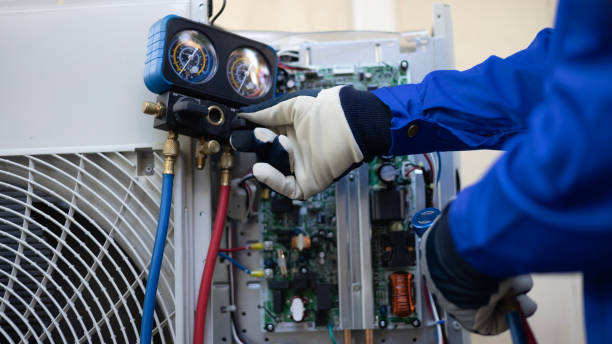
Compressors can fail due to several reasons, including electrical faults, refrigerant leaks, or mechanical wear. Some signs of trouble include:
- Unusual noises: Clicking, buzzing, or humming sounds may indicate a failing compressor.
- Warm water output: If the water isn’t cooling, the compressor might not be circulating refrigerant properly.
- Overheating: A hot compressor that shuts off frequently could be overworking or lacking proper ventilation.
Understanding these issues helps you decide whether to attempt a repair or seek professional appliance repair in Richmond.
Assessing the Feasibility of DIY Compressor Repair
Before diving into water dispenser repair, evaluate whether fixing the compressor yourself is practical. While some issues can be resolved with basic tools and knowledge, others require specialized skills and equipment. Let’s explore how to assess the problem and decide your next steps.
Diagnosing the Problem
Start by observing your dispenser’s symptoms. Is the compressor running but not cooling? Does it make strange noises or fail to start? Unplug the unit and inspect the compressor, located at the back or bottom of the dispenser. Check for visible damage, loose wires, or signs of overheating. If the issue seems minor, like a clogged condenser coil, cleaning it might resolve the problem.
Tools Needed for Diagnosis
To diagnose compressor issues, you’ll need:
- A multimeter to test electrical connections
- A screwdriver set for accessing the compressor
- A vacuum or brush for cleaning dust and debris
When to Seek Professional Help
If the compressor has a refrigerant leak or internal mechanical failure, DIY repair becomes challenging. Refrigerant handling requires specialized equipment and certifications due to environmental regulations. In such cases, searching for water dispenser repair near me or contacting a technician for appliance repair in Richmond is the safer option.
Safety Precautions for DIY Repairs
Working on a water dispenser compressor involves electrical components and potentially hazardous refrigerants. Always unplug the unit before starting any repair. Avoid touching exposed wires, and ensure proper ventilation if cleaning chemicals are used. If you’re unsure about any step, consult a professional to avoid injury or further damage to the unit.
Step-by-Step Guide to Basic Compressor Repairs
For minor compressor-related issues, such as dirty coils or loose connections, you can attempt repairs at home. This section provides a clear, step-by-step process to address common problems, ensuring your water dispenser runs smoothly.
Cleaning the Condenser Coils
Dust and debris on the condenser coils can cause the compressor to overheat or work inefficiently. To clean the coils:
- Unplug the dispenser and locate the coils (usually at the back or bottom).
- Use a vacuum or soft brush to remove dust and debris.
- Ensure proper airflow around the unit to prevent future buildup.
Regular cleaning can extend the compressor’s lifespan and improve cooling efficiency.
Checking Electrical Connections
Loose or faulty electrical connections can prevent the compressor from starting. Use a multimeter to test the voltage at the compressor terminals. If the readings are inconsistent, tighten any loose connections or replace damaged wires. Be cautious and ensure the unit is unplugged during this process. For effective appliance repair services, addressing electrical issues in your water dispenser early can prevent costly damage. Many homeowners rely on kitchen appliance maintenance to keep water dispensers and refrigerators running efficiently.
Testing the Compressor Relay
The compressor relay controls the power supply to the compressor. A faulty relay can prevent the compressor from starting. Remove the relay (typically a small box near the compressor), shake it gently, and listen for rattling sounds, which indicate a malfunction. Replace the relay if necessary, ensuring compatibility with your dispenser model.
Maintaining Your Water Dispenser for Longevity
Preventive maintenance is key to avoiding frequent water dispenser repair. Regular care can keep the compressor and other components in top condition, reducing the likelihood of major issues.
Routine Maintenance Tips
- Clean the drip tray and nozzles: Prevent mold and bacterial growth by cleaning these areas weekly.
- Check for leaks: Inspect water lines and connections regularly to avoid water damage.
- Ensure proper ventilation: Place the dispenser in a well-ventilated area to prevent compressor overheating.
Scheduling Professional Maintenance
Even if you handle minor repairs, periodic professional checkups can catch issues early. Technicians specializing in appliance repair in Richmond can perform thorough inspections, ensuring your dispenser operates efficiently.

Conclusion
Repairing a water dispenser compressor yourself is possible for minor issues like dirty coils or loose connections, but complex problems like refrigerant leaks require professional expertise. By understanding how the compressor works, diagnosing issues carefully, and performing regular maintenance, you can keep your water dispenser in top shape. For tasks beyond your skill level, don’t hesitate to search for water dispenser repair near me to find qualified technicians who can restore your unit’s functionality.
FAQs
What are the signs of a failing water dispenser compressor?
A failing compressor may cause warm water output, unusual noises like buzzing or clicking, or the unit not starting. These symptoms suggest issues with the compressor or its electrical components, requiring diagnosis and repair.
Can I fix a water dispenser compressor without professional help?
Minor issues like dirty condenser coils or loose connections can be fixed with basic tools and knowledge. However, complex problems like refrigerant leaks or internal compressor failure typically require professional assistance.
How often should I clean my water dispenser’s condenser coils?
Cleaning the condenser coils every six months is recommended to prevent dust buildup, which can cause the compressor to overheat. Regular cleaning improves efficiency and extends the unit’s lifespan.
Why is my water dispenser not cooling properly?
If your dispenser isn’t cooling, the compressor may be malfunctioning due to dirty coils, electrical issues, or refrigerant problems. Start by cleaning the coils and checking connections, and consult a professional if the issue persists.
How can I prevent water dispenser compressor issues?
Regular maintenance, such as cleaning coils, checking for leaks, and ensuring proper ventilation, can prevent compressor issues. Scheduling periodic professional maintenance also helps catch problems early.


