 WhatsApp Us Now
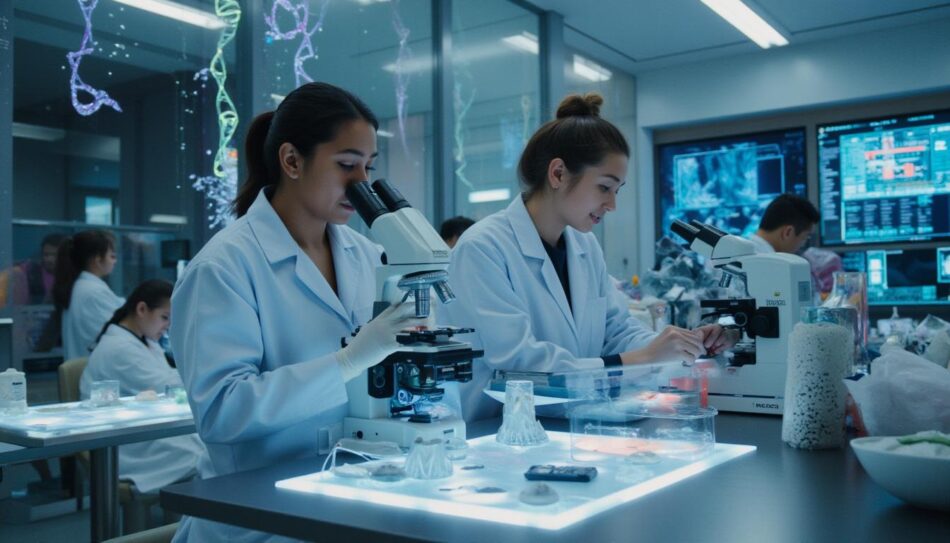
Biotechnology engineering programs are transforming the way we approach food security and environmental sustainability. From developing genetically modified crops that address malnutrition to designing biofuels and eco-friendly waste management solutions, biotechnology is shaping a future where science meets sustainability. Institutions like Dr. M.C. Saxena Group of Colleges (MCSGOC) play a pivotal role in preparing students for this dynamic field through cutting-edge education, research, and industry collaborations. This blog explores how biotechnology is revolutionizing food and environmental sciences while opening global career opportunities for aspiring engineers.
Biotechnology engineering programs, such as those offered by Dr. M.C. Saxena Group of Colleges (MCSGOC), are designed to equip students with the knowledge, skills, and practical experience necessary to drive progress in these critical areas. This blog explores how these programs are revolutionizing food and environmental sciences, paving the way for a sustainable future.
Understanding Biotechnology Engineering Programs
Definition and Scope
Biotechnology engineering is an interdisciplinary field that combines biology, chemistry, physics, and engineering to develop technologies and products that improve the quality of human life. The scope of biotechnology is vast, encompassing areas such as genetic engineering, bioinformatics, molecular biology, and process engineering.
Structure of Biotechnology Engineering Programs
At institutions like MCSGOC, biotechnology engineering programs are structured to provide a comprehensive education that balances theoretical knowledge with practical application. Typically, these programs include:
- Undergraduate (B.Tech): A four-year program focusing on core biotechnology subjects, laboratory techniques, and industry-relevant skills.
- Postgraduate (M.Tech): A two-year program emphasizing advanced topics, research methodologies, and specialization areas.
- Doctoral (Ph.D.): A research-intensive program aimed at developing expertise in specific areas of biotechnology.
Core Subjects and Skill Sets
Students enrolled in biotechnology engineering programs study a wide range of subjects, including:
- Molecular biology
- Genetic engineering
- Bioprocess engineering
- Bioinformatics
- Microbiology
- Biostatistics
- Environmental biotechnology
In addition to academic coursework, students develop critical skills such as problem-solving, analytical thinking, laboratory techniques, and data analysis, which are essential for success in the biotechnology industry.
Food Sciences and Biotechnology
Biotechnology plays a crucial role in enhancing food production, improving nutritional quality, and ensuring food safety. Here’s how biotechnology engineering is revolutionizing the food sector:
Improving Food Production and Security
With the global population projected to reach nearly 10 billion by 2050, ensuring food security is a paramount concern. Biotechnology offers innovative solutions to increase crop yields, enhance resistance to pests and diseases, and improve tolerance to environmental stresses.
Genetically Modified (GM) Crops
GM crops are engineered to possess desirable traits such as pest resistance, herbicide tolerance, and enhanced nutritional content. For example, Bt cotton, engineered to produce a bacterial toxin that deters pests, has significantly reduced the need for chemical pesticides. Similarly, Golden Rice, enriched with vitamin A, addresses nutrient deficiencies in developing countries.
Bio-fortification
Bio-fortification involves enhancing the nutritional content of crops through biotechnological methods. This approach helps combat malnutrition by increasing the levels of essential vitamins and minerals in staple foods. For instance, bio-fortified maize and sweet potatoes with higher levels of vitamin A are being cultivated in several regions.
Sustainable Agriculture
Biotechnology promotes sustainable agricultural practices by reducing the reliance on chemical inputs, minimizing environmental impact, and conserving natural resources. Techniques such as marker-assisted selection and precision farming enable the development of crops that require less water and fertilizer.
Food Processing and Packaging
Biotechnology also contributes to food processing and packaging by developing enzymes that improve food texture, flavor, and shelf life. For example, enzymes like amylases and proteases are used in bread-making and dairy processing. Additionally, biodegradable packaging materials derived from biopolymers help reduce plastic waste.
Case Studies
- India’s Green Revolution: The introduction of high-yielding varieties and biotechnological advancements significantly increased food production, making India self-sufficient in food grains.
- CRISPR in Agriculture: The CRISPR-Cas9 gene-editing technology is being used to develop crops with improved traits, such as drought tolerance and disease resistance.
5
Environmental Sciences and Biotechnology
Environmental sustainability is another critical area where biotechnology engineering programs are making a significant impact. Biotechnology offers innovative solutions for pollution control, waste management, and renewable energy production.
Environmental Challenges
Modern society faces numerous environmental challenges, including air and water pollution, solid waste accumulation, and climate change. Traditional methods of addressing these issues are often insufficient or environmentally harmful. Biotechnology provides eco-friendly alternatives that are both effective and sustainable.
Bioremediation
Bioremediation is the use of microorganisms to degrade or neutralize pollutants in the environment. For example, certain bacteria can break down oil spills, heavy metals, and organic waste, thereby cleaning up contaminated soil and water.
Waste Management
Biotechnology plays a vital role in waste management by converting organic waste into valuable products such as biogas, compost, and biofertilizers. Anaerobic digestion, a biotechnological process, is used to treat municipal and industrial waste, producing methane that can be used as a renewable energy source.
Biofuels and Renewable Energy
The quest for sustainable energy sources has led to the development of biofuels, which are derived from biomass. Bioethanol and biodiesel, produced from crops like corn and soybeans, serve as cleaner alternatives to fossil fuels. Advances in algal biotechnology are also paving the way for third-generation biofuels with higher energy efficiency.
Conservation of Biodiversity
Biotechnology aids in the conservation of biodiversity through techniques such as tissue culture, genetic conservation, and the development of seed banks. These methods help preserve endangered plant species and maintain genetic diversity in ecosystems.
Case Studies
- Oil Spill Cleanup: The Exxon Valdez oil spill in Alaska demonstrated the potential of bioremediation, where oil-degrading bacteria were used to clean up the spill.
- Algal Biofuels: Companies like Solazyme and Sapphire Energy are developing algal biofuels that offer a sustainable and scalable alternative to traditional energy sources.
4
Research and Innovation in Biotechnology Engineering
Research and innovation are the driving forces behind the advancements in biotechnology. Biotechnology engineering programs emphasize hands-on research, fostering a culture of curiosity and discovery among students.
Cutting-edge Labs and Research Projects
Institutions like MCSGOC provide state-of-the-art laboratories equipped with advanced instruments for molecular biology, genetic engineering, and bioinformatics. Students engage in research projects that address real-world problems, such as developing drought-resistant crops or designing biodegradable materials.
Collaborations
Collaboration between academia, industry, and government agencies is crucial for translating research into practical applications. Biotechnology engineering programs often partner with research institutions, biotech companies, and government bodies to facilitate knowledge exchange and technology transfer.
Biotechnology Startups
The rise of biotechnology startups has been fueled by the innovative ideas and entrepreneurial spirit of graduates from biotechnology engineering programs. These startups focus on areas such as personalized medicine, sustainable agriculture, and environmental solutions.
Case Studies
- Biocon Ltd.: Founded by Kiran Mazumdar-Shaw, Biocon is a leading biopharmaceutical company that emerged from academic research.
- String Bio: A startup that converts methane into protein-rich animal feed using biotechnological processes.
4
Career Opportunities through Biotechnology Engineering Programs
A degree in biotechnology engineering opens the door to a wide range of career opportunities in various sectors.
Industries Hiring Biotechnology Engineers
- Pharmaceuticals: Developing drugs, vaccines, and diagnostic tools.
- Agriculture: Creating genetically modified crops and bio-fertilizers.
- Food and Beverages: Enhancing food quality and safety.
- Environmental Services: Implementing bioremediation and waste management solutions.
- Healthcare: Advancing personalized medicine and regenerative therapies.
Research Careers
Graduates can pursue research careers in academic institutions, research organizations, and biotech companies. Opportunities exist in areas such as genomics, proteomics, and synthetic biology.
International Scope
Biotechnology is a global field with opportunities for international collaboration and employment. Countries like the USA, Germany, and Singapore offer attractive prospects for biotechnology professionals.
Salaries and Growth Prospects
Biotechnology engineers enjoy competitive salaries, with potential for rapid career advancement. The growing demand for biotechnological solutions ensures long-term job stability and growth.
Global Perspective: Biotechnology and Sustainable Development Goals (SDGs)
Biotechnology contributes significantly to achieving the United Nations Sustainable Development Goals (SDGs), particularly in the areas of zero hunger, clean energy, and climate action.
Zero Hunger (SDG 2)
Biotechnology enhances agricultural productivity and nutritional quality, helping to eradicate hunger and malnutrition.
Clean Energy (SDG 7)
The development of biofuels and renewable energy sources supports the transition to sustainable energy systems.
Climate Action (SDG 13)
Biotechnological interventions in waste management, carbon capture, and ecosystem restoration contribute to climate change mitigation.
Case Studies
- CRISPR for Crop Improvement: Gene-editing technologies are being used to develop climate-resilient crops that can withstand extreme weather conditions.
- Bio-based Plastics: Bioplastics derived from renewable resources reduce dependency on fossil fuels and lower carbon emissions.
4
The Role of MCSGOC in Biotechnology Education
Dr. M.C. Saxena Group of Colleges (MCSGOC) is a premier institution committed to providing high-quality education in biotechnology engineering.
Facilities and Infrastructure
MCSGOC boasts state-of-the-art laboratories, research centers, and modern classrooms that create an ideal learning environment. The institution invests in cutting-edge equipment and technology to ensure students receive hands-on training in the latest biotechnological techniques.
Faculty Expertise
The faculty at MCSGOC comprises experienced academicians and industry professionals who bring a wealth of knowledge and practical insights to the classroom. Their mentorship plays a crucial role in shaping the careers of aspiring biotechnology engineers.
Achievements and Alumni Success Stories
Graduates of MCSGOC have made significant contributions to the biotechnology industry, both in India and abroad. Alumni have secured positions in leading biotech companies, research institutions, and governmental agencies.
Industry Partnerships
MCSGOC maintains strong ties with industry partners, facilitating internships, collaborative research projects, and job placements for students.
Future of Biotechnology Engineering Programs
The future of biotechnology is bright, with emerging technologies and interdisciplinary approaches driving innovation.
Integration with AI and Nanotechnology
Artificial intelligence (AI) and nanotechnology are being integrated into biotechnology to enhance data analysis, drug delivery, and diagnostic accuracy. AI algorithms help analyze complex biological data, while nanotechnology enables targeted drug delivery systems.
CRISPR and Gene Editing
CRISPR-Cas9 technology continues to revolutionize genetic engineering, offering precise and efficient methods for editing genomes. This technology holds promise for treating genetic disorders, improving crop resilience, and developing new therapies.
Next-generation Careers
As biotechnology evolves, new career paths are emerging in areas such as synthetic biology, bioinformatics, and regenerative medicine. Biotechnology engineering programs must adapt to these changes by incorporating interdisciplinary training and fostering innovation.
Preparing Students for Global Leadership
Biotechnology engineers of the future must possess not only technical expertise but also leadership skills, ethical awareness, and a global perspective. Institutions like MCSGOC are committed to nurturing well-rounded professionals who can lead the next wave of biotechnological advancements.
5
Conclusion
Biotechnology engineering programs are at the forefront of addressing global challenges related to food security and environmental sustainability. Through innovative research, interdisciplinary education, and practical training, these programs equip students with the skills needed to drive positive change.
Dr. M.C. Saxena Group of Colleges (MCSGOC) exemplifies excellence in biotechnology education, offering students a platform to explore, innovate, and excel in the dynamic field of biotechnology. By choosing biotechnology engineering programs at MCSGOC, students embark on a journey that not only shapes their careers but also contributes to a sustainable and prosperous future for all.
Frequently Asked Questions (FAQ)
1. What are Biotechnology Engineering Programs?
Biotechnology engineering programs are structured academic courses that combine biology, chemistry, and engineering principles to develop sustainable solutions for healthcare, agriculture, food sciences, and environmental management. They usually include undergraduate, postgraduate, and doctoral degrees.
2. Why are Biotechnology Engineering Programs important?
These programs are crucial because they prepare students to address global challenges such as food security, pollution control, climate change, renewable energy, and healthcare innovation through advanced biotechnological applications.
3. How do biotechnology engineering programs impact food sciences?
They impact food sciences by enhancing crop yields, developing genetically modified crops, improving food processing methods, extending shelf life, and creating nutrient-rich foods through bio-fortification.
4. How do biotechnology engineering programs contribute to environmental sciences?
They contribute by introducing eco-friendly technologies like bioremediation, biofuels, biodegradable packaging, and waste-to-energy systems. These innovations help in pollution control and conserving biodiversity.
5. What are the core subjects in a Biotechnology Engineering Program?
Core subjects include molecular biology, microbiology, genetic engineering, bioprocess engineering, bioinformatics, biostatistics, environmental biotechnology, and immunology.
6. What career opportunities are available after completing biotechnology engineering programs?
Graduates can work in pharmaceuticals, agriculture, food processing, healthcare, environmental sciences, research, and even biotech startups. International career options are also abundant in countries like the USA, Germany, and Singapore.
7. What is the salary scope for biotechnology engineers?
Entry-level salaries in India range from ₹3.5 LPA to ₹6 LPA, while experienced professionals or those working abroad can earn between $60,000 and $100,000 annually, depending on specialization.
8. How are biotechnology engineering programs linked to Sustainable Development Goals (SDGs)?
They directly support SDGs like Zero Hunger (by increasing food productivity), Clean Energy (through biofuels), and Climate Action (via eco-friendly waste management and carbon capture technologies).
9. Which institutions in India are best for biotechnology engineering programs?
Several institutions offer quality programs, but Dr. M.C. Saxena Group of Colleges (MCSGOC) is recognized for its excellent infrastructure, experienced faculty, and industry tie-ups that give students global exposure.
10. How does MCSGOC support biotechnology students?
MCSGOC provides state-of-the-art labs, research facilities, experienced faculty guidance, internships, industry collaborations, and career placement support, preparing students for both academia and industry.
11. What kind of research can students undertake during biotechnology engineering programs?
Students can engage in research projects on genetic engineering, sustainable agriculture, biofuels, environmental cleanup (bioremediation), tissue culture, and drug discovery.
12. Are biotechnology engineering programs suitable for students interested in entrepreneurship?
Yes. With the rise of biotech startups in areas like bio-based plastics, sustainable food, and medical devices, students can start their own ventures with the knowledge gained from these programs.
13. What is the global scope of biotechnology engineers?
Biotechnology engineers are in demand globally, with opportunities in R&D, pharma, agriculture, bioinformatics, and environmental management. Countries like the USA, Canada, Germany, Japan, and Singapore offer high-paying roles.
14. How is biotechnology used in food packaging?
Biotechnology has led to the creation of biodegradable packaging materials made from bio-polymers and starch blends. These reduce plastic pollution and extend food shelf life.
15. What is the future of biotechnology engineering programs?
The future is shaped by integration with AI, CRISPR gene editing, nanotechnology, and synthetic biology. Students will find opportunities in personalized medicine, regenerative therapies, smart agriculture, and climate-resilient technologies.
16. Can biotechnology engineering help in combating climate change?
Yes. By developing carbon-neutral fuels, biodegradable materials, and microbial systems for carbon sequestration, biotechnology engineering plays a critical role in climate action.
17. Is biotechnology only about genetic engineering?
No. While genetic engineering is a major part, biotechnology also includes bioprocessing, environmental biotech, food technology, bioinformatics, microbiology, and industrial biotechnology.
18. What is the difference between biotechnology and biomedical engineering?
Biotechnology focuses on using living organisms and biological systems in industries like food, environment, and agriculture, while biomedical engineering focuses on designing medical devices, diagnostics, and healthcare solutions.
19. How does biotechnology support sustainable agriculture?
By developing pest-resistant crops, drought-tolerant plants, bio-fertilizers, and precision farming methods, biotechnology ensures higher productivity with lower environmental impact.
20. Why choose MCSGOC for biotechnology engineering programs?
Because Dr. M.C. Saxena Group of Colleges (MCSGOC) provides quality education, world-class labs, a research-driven environment, and strong industry placements, making it one of the best choices for students aspiring to excel in biotechnology.
Read More: How Computer Science Engineering Colleges Shape AI Careers



