 WhatsApp Us Now

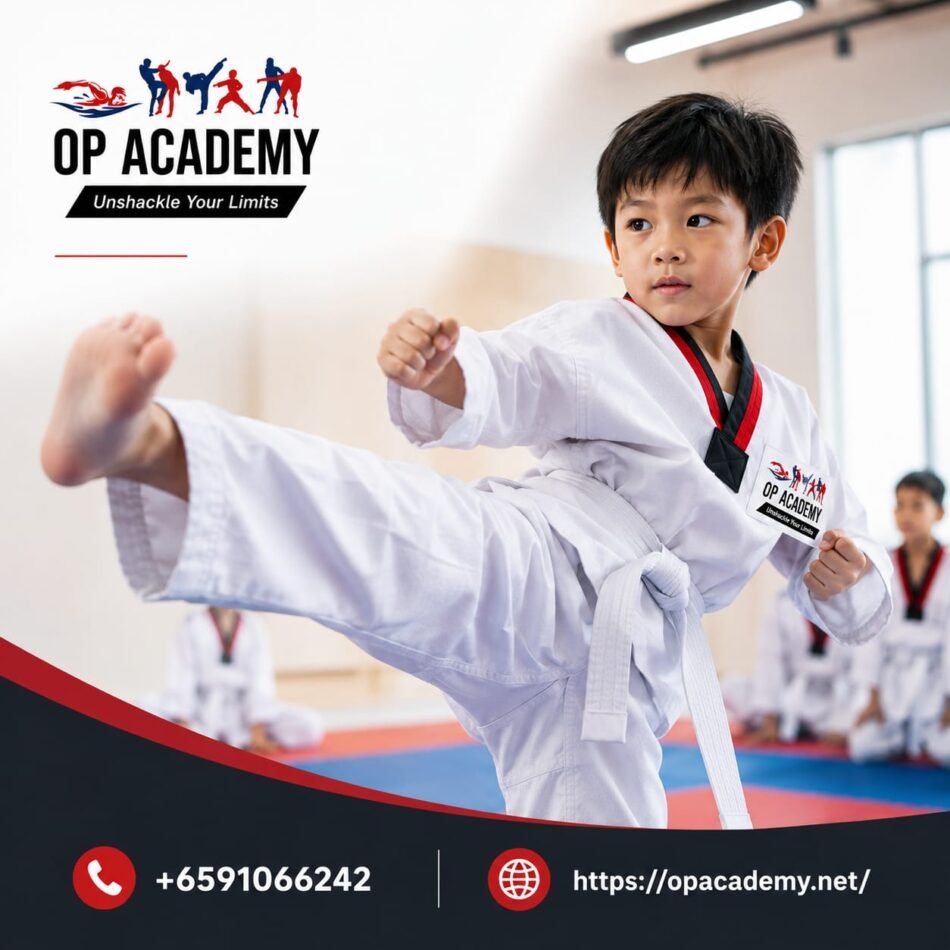
Beyond Kicks and Punches How Taekwondo Classes for Children Support Personal Growth
When parents look for extracurricular activities, the decision often comes down to a simple question: what will my child gain from spending time on this activity every week? Physical fitness is important, but many families also want their children to develop confidence, patience, responsibility and the ability to handle challenges without giving up too quickly.
Taekwondo classes for children in Singapore offer opportunities to work on these qualities through structured martial arts practice. Beyond learning kicks and hand techniques, children can practise listening, respecting others, controlling their movements and working towards achievable goals, making Taekwondo an option worth exploring for families seeking a more purposeful after-school activity.
Why Personal Development Matters During Childhood
Childhood is a period when children are learning how to respond to new situations, interact with others and manage expectations at home and in school. The activities they participate in can provide additional opportunities to practise these skills, especially when the learning environment offers clear guidance and encourages consistent effort.
No single extracurricular activity can develop every life skill or guarantee changes in behaviour. However, an appropriate martial arts programme can complement a child’s other experiences by providing regular opportunities to follow routines, practise techniques, receive feedback and learn from mistakes in a structured setting.
Learning to Keep Going When Something Is Difficult
Children sometimes become frustrated when a task takes longer than expected or when another person appears to learn more quickly. These moments are part of the learning process, and the way children respond can influence whether they continue practising or avoid challenges in the future.
Taekwondo involves repeating movements until children become more familiar with the techniques and improve their control. With suitable encouragement, they can learn to view mistakes as opportunities to adjust their approach, helping them practise patience and perseverance rather than expecting every new skill to come easily.
Understanding the Value of Consistent Effort
Progress in martial arts usually involves practice over time, not simply attending one lesson and expecting immediate mastery. Children may need to repeat basic movements, listen to corrections and make gradual adjustments before they become comfortable with a technique.
This process gives parents a practical opportunity to discuss effort, responsibility and realistic goal-setting. Rather than praising only the final result, recognising a child’s willingness to practise, listen and improve can help reinforce the value of consistent effort in other areas of life.
How Taekwondo Can Encourage Confidence and Self-Control
Confidence and self-control are often discussed together, but they involve different abilities. Confidence relates to a child’s belief that they can attempt a task or handle a situation, while self-control involves managing actions and responses even when emotions or excitement make that difficult.
Taekwondo can provide opportunities to practise both through instructor-led activities, controlled movements and clearly defined training expectations. The outcome depends on the individual child and the quality of the learning environment, but the combination of physical practice and behavioural guidance can make the experience meaningful beyond the techniques themselves.
Confidence Through Measurable Progress
Children may find it encouraging when they can recognise specific improvements, such as maintaining balance more effectively, remembering a movement sequence or following instructions with greater independence. These achievements provide concrete examples of progress that children can understand without needing to compare themselves with classmates.
For parents, this creates a useful way to discuss personal growth in terms of effort and learning. When children are encouraged to focus on their own development, they may feel more comfortable attempting unfamiliar tasks and accepting that improvement happens at different rates for different people.
Self-Control Through Clear Training Expectations
Taekwondo lessons require participants to follow instructions, practise techniques with control and respect the boundaries established for training. Children learn that physical movements should be performed appropriately and that listening to the instructor is part of participating safely.
These expectations can help reinforce the importance of pausing, paying attention and choosing appropriate actions. Parents should look for a programme that treats self-control as an essential part of martial arts education rather than encouraging aggression or presenting fighting ability as a solution to everyday disagreements.
Building Respect and Social Awareness Through Martial Arts
Children interact with people who may have different personalities, abilities and communication styles, making respect an important skill to practise. Group-based Taekwondo training can introduce situations where children need to share space, wait for their turn, follow common rules and recognise the role of other participants in the learning environment.
Such experiences can complement the guidance children receive from parents and teachers. Although martial arts participation does not automatically make every child more respectful or cooperative, consistent expectations and appropriate instruction can provide opportunities to practise these behaviours in a different setting.
Respect for Instructors and Training Partners
Respect in martial arts involves listening to instructions, treating others appropriately and recognising that everyone has a responsibility to contribute to a safe training environment. Children can learn that their actions affect the people around them, particularly when practising movements alongside classmates.
Parents should ask how instructors establish class rules and respond when children struggle to follow them. A supportive programme should combine clear boundaries with constructive guidance, helping children understand expectations rather than relying solely on punishment or intimidation.
Learning That Martial Arts Is Not About Bullying
Some parents worry that teaching a child martial arts could encourage aggressive behaviour, particularly if the child is fascinated by fighting scenes or action films. This makes the programme’s teaching philosophy an important consideration when choosing a suitable class.
Responsible martial arts education should emphasise self-control, respect, personal safety and avoiding unnecessary physical confrontation. Children should understand that techniques belong in appropriate training situations and that bullying, threats and physical aggression are not acceptable ways to resolve disagreements.
Physical Development Is Part of the Bigger Picture
Personal growth is important, but children also need regular opportunities to move and develop physical skills. Taekwondo combines footwork, kicking techniques, controlled hand movements and body positioning, offering activities that can support coordination, balance, flexibility and general fitness when delivered appropriately.
These movements require children to pay attention to their posture, timing and control while following the lesson’s instructions. Over time, consistent participation can help them become more familiar with physical activity and encourage a healthier routine alongside sufficient sleep, balanced nutrition and other forms of exercise.
Develop Coordination and Movement Skills
Different Taekwondo techniques require different combinations of balance, timing and body coordination. Beginners can start with fundamental movements and gradually progress according to their abilities, allowing them to build familiarity before attempting more demanding activities.
Parents should remember that children’s physical development varies according to age, experience and individual needs. The aim is to provide an appropriate training opportunity, not to expect every child to achieve the same level of flexibility, strength or technical ability within a fixed period.
Support an Active Lifestyle Outside School
A regular martial arts session can give children a structured reason to participate in physical activity during the week. For families trying to balance screen time with movement, an enjoyable extracurricular programme may become one part of a broader routine that includes outdoor play, family activities and other interests.
The key is to choose a schedule that complements rather than competes with schoolwork and rest. Children are more likely to sustain an activity when it fits their needs and family commitments, rather than feeling that every available hour must be filled with organised lessons.
Choosing Taekwondo Classes for Kids in Singapore
For parents comparing taekwondo classes for kids Singapore, personal development should be considered alongside practical factors such as location, fees, class timings and age eligibility. A programme that looks impressive online may not necessarily suit every child, so it is important to understand how the lessons are delivered and what families can realistically expect.
Ask about beginner instruction, supervision, training safety and the way instructors support children with different abilities. It is also worth checking how the school communicates expectations to parents, since clear information makes it easier to understand the programme before committing to regular attendance.
Find a Programme That Matches Your Child
Some children enjoy active group environments immediately, while others need time to become comfortable with a new instructor and classmates. Consider your child’s temperament, interests and readiness to follow instructions when discussing suitable classes with a martial arts school.
You can also ask whether introductory sessions are available and what your child should wear or bring. These practical details help families prepare properly and give children a better chance of approaching their first lesson with realistic expectations.
Explore Your Child’s Taekwondo Journey with OP Academy
Choosing an extracurricular activity is an investment of time, effort and family resources, so parents should feel confident that they understand the programme before enrolling. OP Academy is worth considering when exploring Taekwondo options for children in Singapore, and families can contact the academy to ask about available classes, suitable age groups, training arrangements and fees.
Instead of focusing only on the techniques children might learn, consider the wider experience you want them to have. A suitable programme should give your child opportunities to practise movement, listen to guidance, work towards personal goals and understand the importance of responsible behaviour.
Give Your Child More Opportunities to Grow with OP Academy
Your child may begin Taekwondo because they want to learn martial arts, become more active or try something different after school, but the experience can offer opportunities to practise much more than physical techniques. With suitable guidance and consistent participation, each lesson can become a chance to work on patience, coordination, confidence and respect while discovering new interests.
Ready to explore Taekwondo classes for children in Singapore? Contact OP Academy today to ask about its Taekwondo programme, available schedules and enrolment options. Give your child the opportunity to start learning, develop new skills and work towards personal goals through a structured martial arts experience with OP Academy. Take the first step today and find out which class may be suitable for your child.


