 WhatsApp Us Now
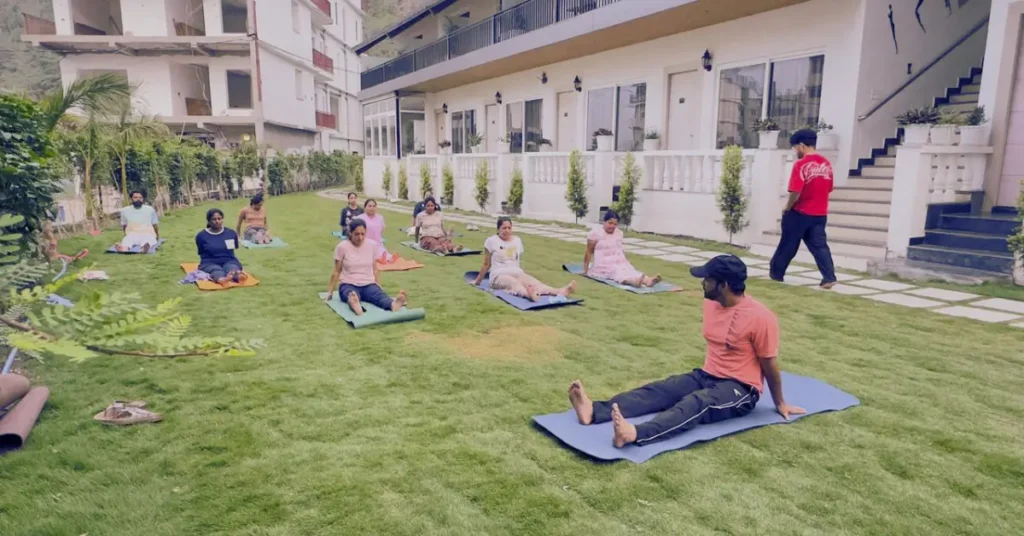
Thousands of spiritual seekers travel to the foothills of the Himalayas every year, but finding the Best Yoga Ashram in Rishikesh requires a deep understanding of what traditional yogic living truly entails. Set along the banks of the flowing Ganges River, these sanctuary spaces offer visitors a chance to pause their daily routines and immerse themselves in centuries-old practices of breathwork, physical postures, and quiet reflection. By looking beyond superficial promises and focusing on authentic lineage, dedicated daily structures, and peaceful natural surroundings, anyone can find a home for their spiritual growth.
The Pillars of Authentic Ashram Life
Living in a traditional spiritual sanctuary is very different from staying at a standard holiday resort. The environment is designed specifically to remove external distractions and foster internal awareness.
Daily Disciplines and Schedules
A typical day begins long before sunrise with the sound of a morning bell or quiet chanting. Residents gather in the main practice hall for morning meditation, followed by gentle physical postures and breath regulation exercises. Meals are simple, fresh, and served at regular intervals to support digestion and keep the mind clear throughout the day. Evening sessions usually include communal philosophy discussions, quiet study, or peaceful group vocalization before early sleeping hours.
The Role of Natural Environment
The natural surroundings play a massive role in calming a busy nervous system. The constant sound of flowing river water combined with fresh mountain air creates a natural buffer against urban stress. Walking along forest paths or sitting quietly on riverbanks allows practitioners to integrate what they learn during formal practice sessions.
Modern Benefits of Traditional Practice
While these techniques were developed long ago, their application is remarkably relevant to modern mental and physical health challenges.
Physical Vitality and Balance
Regular practice of traditional postures helps rebuild structural alignment, improve joint flexibility, and strengthen core muscle groups. Unlike high-intensity gym workouts, these controlled movements build strength without placing unnecessary strain on the heart or joints. Over time, practitioners notice improved posture, deeper natural breathing patterns, and better sleep quality.
Stress Reduction and Mental Clarity
Sustained focus on breathwork stimulates the vagal pathway, telling the nervous system that it is safe to relax. When lower stress levels become your baseline, decision-making becomes clearer, emotional reactions soften, and overall mental endurance increases significantly.
Choosing the Right Path for Your Needs
Every practitioner arrives with different goals, physical capabilities, and time constraints. Selecting the right environment ensures that your time spent learning is both safe and deeply rewarding.
Short Retreats Versus Long Commitments
Beginners often benefit from short, structured retreats lasting from three days to two weeks. These introductory stays provide a gentle taste of disciplined living without overwhelming the student. More experienced practitioners or those seeking a career shift often enroll in intensive residential programs lasting several months to gain formal teaching credentials.
Finding Genuine Guidance
When researching facilities like vedayogaashram or other historic centers, look closely at the teaching staff rather than just the physical amenities. True teachers emphasize patience, proper body alignment, and compassionate self-awareness over complex physical displays.
Conclusion
Immersing yourself in a dedicated spiritual environment offers a rare opportunity to reset your mind and body. By choosing a sanctuary that aligns with your personal values, you step onto a proven path toward lasting vitality, emotional balance, and genuine self-discovery.
