 WhatsApp Us Now

Modern automation systems rely on fast, reliable, and efficient electrical components to maintain consistent performance across industrial, commercial, and infrastructure applications. As automation technology continues to evolve, switching devices play an increasingly important role in controlling electrical loads with precision and reliability. Choosing advanced switching solutions helps improve operational efficiency, reduce maintenance requirements, and support uninterrupted system performance. Understanding the advantages of solid-state switching enables businesses to make informed decisions that contribute to safer, more productive, and future-ready automation environments.
What Is Solid-State Switching?
Solid-state switching is a technology that controls electrical circuits using semiconductor components instead of moving mechanical contacts. Since there are no physical contacts opening and closing during operation, these switching devices offer smooth, precise, and dependable performance.
This technology is widely used in modern automation because it supports frequent switching operations while minimizing wear and reducing maintenance needs.
Understanding a solid state relay
A solid state relay is an electrical switching device that uses semiconductor technology to turn electrical circuits on or off without mechanical movement. It receives a low-power control signal and safely switches higher electrical loads with speed and accuracy.
Because there are no moving contacts, this type of relay offers quiet operation, consistent performance, and a longer service life in many automation applications. It is particularly suitable for systems that require frequent and reliable switching.
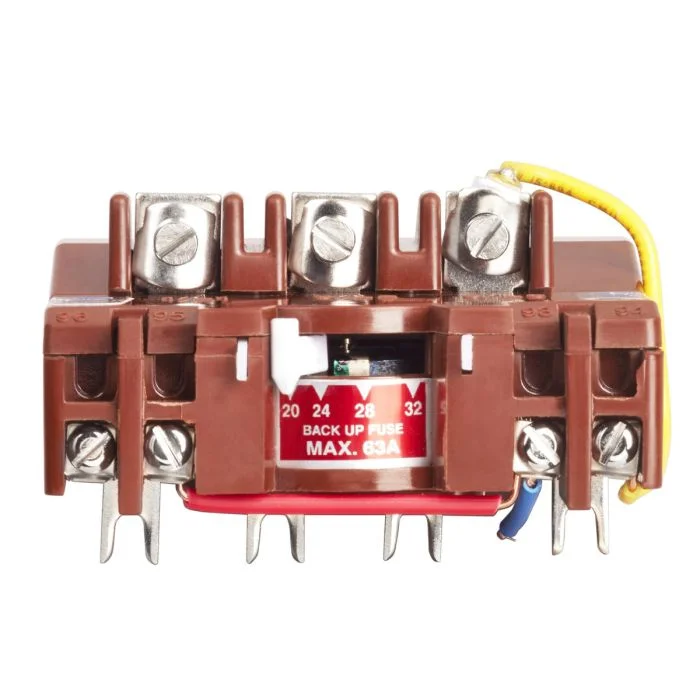
What Is an electronic relay?
An electronic relay is designed to control electrical circuits electronically, enabling efficient switching in automated systems. It is commonly used where dependable operation, quick response, and accurate control are important.
These relays support various automation functions, including equipment control, process management, and electrical isolation, making them valuable components in modern industrial environments.
Key Benefits of Solid-State Switching
Solid-state switching offers numerous advantages over traditional switching methods.
1. Faster Switching Performance
Solid-state technology provides rapid switching speeds that improve the responsiveness of automated equipment.
Benefits include:
- Quicker control actions
- Improved production efficiency
- Better synchronization between devices
- Reduced processing delays
2. Longer Operational Life
Without moving mechanical contacts, switching devices experience less physical wear during operation.
This contributes to:
- Longer equipment lifespan
- Lower maintenance requirements
- Reduced replacement frequency
- Improved operational reliability
3. Quiet Operation
Mechanical switching devices often generate audible clicking sounds during operation. Solid-state switching operates silently, making it suitable for environments where noise reduction is important.
4. Improved Reliability
Consistent switching performance supports stable automation processes and minimizes unexpected interruptions.
Reliable operation is especially valuable in production systems that operate continuously.
Applications of Solid-State Switching
Modern automation systems use advanced switching technologies across numerous industries.
Manufacturing Facilities
Production lines rely on precise electrical control for machinery, conveyors, and automated equipment.
HVAC Systems
Heating, ventilation, and air-conditioning systems use advanced switching devices to regulate electrical loads efficiently.
Industrial Process Control
Automation systems managing temperature, pressure, and production processes require dependable switching for accurate operation.
Building Automation
Modern buildings use automated electrical systems for lighting, energy management, and environmental control.
Factors to Consider When Selecting Switching Devices
Choosing the right switching solution depends on several important considerations.
Load Requirements
Always determine the electrical load before selecting a switching device.
Switching Frequency
Applications involving frequent operation benefit from switching technologies designed for continuous use.
Operating Environment
Temperature, humidity, dust, and vibration may influence long-term performance. Devices should be suitable for their intended environment.
System Compatibility
Ensure that switching devices integrate effectively with existing automation equipment and electrical control systems.
Common Mistakes to Avoid
Selecting unsuitable switching devices may reduce automation efficiency.
Avoid these common mistakes:
- Ignoring electrical load ratings
- Choosing devices without considering switching frequency
- Overlooking environmental conditions
- Delaying routine maintenance inspections
- Installing incompatible control components
Proper planning helps maximize both safety and operational performance.
Best Practices for Reliable Automation
Maintaining dependable automation systems requires more than selecting quality components.
Follow these recommendations:
- Inspect electrical systems regularly.
- Verify switching performance during scheduled maintenance.
- Replace damaged components promptly.
- Maintain accurate system documentation.
- Plan electrical upgrades as operational needs evolve.
Preventive maintenance helps improve long-term reliability and reduces unexpected downtime.
Supporting Future Automation Growth
Automation systems continue to expand as industries adopt advanced manufacturing technologies, energy-efficient operations, and intelligent control systems.
A properly selected solid state relay can improve high-frequency switching applications, while an appropriately chosen electronic relay supports dependable electrical control across various automation processes. Combining suitable switching technologies with careful system planning creates flexible electrical infrastructure capable of supporting future expansion and evolving operational requirements.
Conclusion
Solid-state switching has become an essential part of modern automation by providing faster operation, greater reliability, quieter performance, and reduced maintenance requirements. Selecting the right switching devices based on electrical load, operating conditions, and application needs helps improve productivity while supporting safe and efficient system performance. A well-designed automation system also allows easier expansion as technology continues to evolve. With more than 70 years of expertise in electrical and automation solutions, Lauritz Knudsen Smartshop continues to deliver dependable products that help industries build smarter, safer, and more efficient automation systems.


