 WhatsApp Us Now
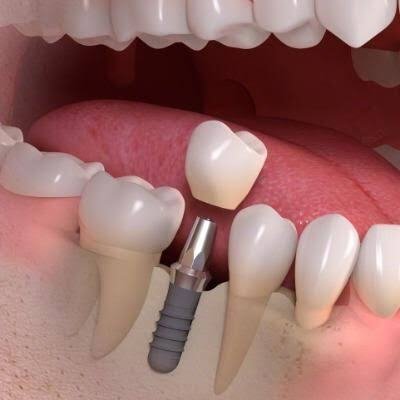
Missing teeth can have a significant impact on a person’s oral health, facial appearance, and overall confidence. Whether tooth loss occurs because of injury, severe decay, gum disease, or age-related factors, replacing missing teeth is essential for maintaining proper chewing function and preserving the health of the jawbone. Mandibular Implants in Islamabad have become one of the most reliable and advanced solutions for restoring missing lower teeth, offering patients a durable and natural-looking alternative to traditional dentures and bridges. With modern implant dentistry, many individuals can regain the comfort, stability, and confidence of having a complete smile.Dental implants have transformed restorative dentistry by providing a replacement that closely mimics the function and appearance of natural teeth. Unlike removable dentures, mandibular implants are anchored directly into the jawbone, creating a stable foundation that allows patients to eat, speak, and smile without worrying about movement or discomfort. While many people wonder whether implants are truly permanent, the answer depends on several factors, including the quality of the implant procedure, the patient’s oral health, and their commitment to long-term dental care.
Understanding Mandibular Implants
Mandibular implants are dental implants placed in the lower jaw, also known as the mandible, to replace one or more missing teeth. Each implant consists of a small titanium post that is surgically inserted into the jawbone. Over time, the implant naturally fuses with the surrounding bone through a biological process called osseointegration. Once healing is complete, a custom-made crown, bridge, or denture is securely attached to the implant, restoring both appearance and function.The lower jaw experiences significant pressure during chewing, making stability especially important. Mandibular implants provide exceptional strength and support, allowing patients to enjoy everyday activities without the inconvenience often associated with removable dental prosthetics.
Why Replacing Missing Teeth Is Important?
Many people underestimate the long-term consequences of losing a tooth, especially if the missing tooth is not immediately visible. However, even a single missing tooth can trigger a chain of oral health problems. Adjacent teeth may gradually shift into the empty space, affecting bite alignment and increasing the risk of uneven tooth wear. At the same time, the jawbone beneath the missing tooth begins to shrink because it no longer receives stimulation from the tooth root.As bone loss progresses, changes in facial structure may occur, making individuals appear older than they actually are. Difficulty chewing certain foods can also affect nutrition and overall health. Replacing missing teeth promptly with dental implants helps preserve the jawbone, maintain proper tooth alignment, and restore full oral function.
How Do Mandibular Implants Work?
The success of mandibular implants lies in their ability to function like natural tooth roots. During the implant procedure, the titanium implant is carefully placed into the jawbone under local anesthesia or sedation. Titanium is highly biocompatible, meaning the body accepts it without triggering harmful reactions.
Are Mandibular Implants Truly Permanent?
Dental implants are designed to be a long-term solution, and in many cases, the titanium implant itself can last a lifetime. Numerous clinical studies have demonstrated excellent long-term success rates, with many implants remaining functional for several decades.However, while the implant post may be permanent, the visible restoration attached to the implant may eventually require replacement due to normal wear and tear. Dental crowns generally last between ten and fifteen years or longer, depending on the material used, oral hygiene habits, and the amount of chewing pressure they experience.The longevity of mandibular implants depends on several important factors, including proper placement by an experienced implant specialist, adequate bone quality, excellent oral hygiene, regular dental checkups, and avoiding harmful habits such as smoking or chronic teeth grinding.
Who Is an Ideal Candidate for Mandibular Implants?
Most healthy adults with missing lower teeth can benefit from mandibular implants. Suitable candidates should have healthy gums, sufficient jawbone density to support the implant, and good overall oral health. Individuals with controlled medical conditions such as diabetes may also qualify after careful evaluation by their dental professional.Patients who have experienced bone loss are not automatically excluded from treatment. Advances in regenerative dentistry now allow many individuals to undergo bone grafting procedures that rebuild the jawbone before implant placement, making treatment possible even in challenging cases.A comprehensive consultation involving digital imaging and clinical examination helps determine whether implants are the best option for each patient.
Benefits of Choosing Mandibular Implants
One of the greatest advantages of mandibular implants is their remarkable stability. Unlike removable dentures, implants remain securely anchored in the jaw, eliminating slipping, clicking, or movement during speaking and eating. This stability significantly improves comfort and restores confidence in daily life.Implants also help preserve the natural jawbone by stimulating bone tissue during chewing. This prevents the bone deterioration commonly associated with missing teeth and helps maintain natural facial contours over time.Because implants function like natural teeth, patients can enjoy a varied diet without worrying about food restrictions. Hard fruits, vegetables, meats, and other nutritious foods become much easier to chew efficiently.Another important benefit is improved speech. Loose dentures sometimes interfere with pronunciation, while implant-supported restorations allow patients to speak clearly and naturally.From an aesthetic perspective, mandibular implants are custom-designed to match the size, shape, and color of surrounding teeth, creating a seamless and natural-looking smile.
Types of Mandibular Implant Restorations
Mandibular implants can replace a single missing tooth, several missing teeth, or even an entire lower arch. The type of restoration depends on the patient’s individual needs and the number of missing teeth.
Single-tooth implants replace one missing tooth without affecting adjacent healthy teeth. Implant-supported bridges replace several consecutive missing teeth while using fewer implants than individual replacements.patients missing all lower teeth, implant-supported overdentures provide excellent stability while remaining removable for cleaning. Alternatively, fixed full-arch implant restorations permanently attach an entire set of replacement teeth to multiple strategically placed implants, offering maximum comfort and function.These customized treatment options allow dentists to restore smiles regardless of the extent of tooth loss.
The Implant Procedure
The journey toward receiving mandibular implants begins with a comprehensive examination. Digital X-rays and three-dimensional CBCT scans evaluate bone quality, identify important anatomical structures, and guide precise treatment planning.If sufficient bone is available, the implant placement procedure is performed under local anesthesia. The titanium implant is positioned within the jawbone using advanced surgical techniques designed to minimize discomfort and promote rapid healing.Following implant placement, a healing period allows osseointegration to occur. During this time, the implant gradually becomes securely fused with the jawbone.Once healing is complete, the dentist attaches an abutment and places the final custom restoration, completing the process with a functional and aesthetically pleasing replacement tooth.
Recovery After Implant Placement
Recovery following mandibular implant surgery is generally smooth for most patients. Mild swelling, tenderness, and minor discomfort are common during the first few days but can usually be managed with prescribed medications and cold compresses.Most individuals resume normal daily activities within a short period while following specific dietary recommendations during the initial healing phase. Soft foods are typically advised until the surgical site begins to recover.Good oral hygiene remains essential throughout healing. Patients receive detailed instructions regarding brushing, rinsing, and follow-up appointments to ensure optimal healing and implant success.
Factors That Influence Implant Longevity
Although dental implants have impressive long-term success rates, their lifespan depends largely on patient care. Daily brushing and flossing help prevent plaque accumulation around the implant, reducing the risk of peri-implant disease.Routine dental examinations allow the dentist to monitor implant health and identify any concerns before they become significant problems. Professional cleanings remove deposits that cannot be eliminated through home care alone.Smoking is one of the most important risk factors affecting implant success because it reduces blood flow and delays healing. Patients who quit smoking often experience significantly better long-term outcomes.Individuals who grind or clench their teeth may benefit from wearing a custom night guard to protect both natural teeth and implant restorations from excessive forces.
Are There Alternatives to Mandibular Implants?
Several alternatives exist for replacing missing lower teeth, including removable dentures and fixed dental bridges. While these treatments remain valuable in certain situations, they have limitations compared to implants.Traditional dentures rest on the gums and may become loose over time as the jawbone shrinks. They often require adhesives and periodic adjustments to maintain comfort.Dental bridges replace missing teeth by using neighboring teeth as support. Although effective, preparing healthy adjacent teeth may remove natural tooth structure that would otherwise remain untouched.Mandibular implants avoid these disadvantages by replacing the missing tooth root while preserving surrounding teeth and supporting long-term bone health.
Long-Term Success Rates
Modern dental implant systems have demonstrated exceptional clinical success. Numerous long-term studies report success rates exceeding 95 percent when implants are placed under appropriate conditions and maintained with proper care.Advancements in implant design, digital treatment planning, surgical precision, and restorative materials continue to improve outcomes even further. As a result, implants are widely recognized as one of the most predictable and successful procedures in modern dentistry.Patients who maintain excellent oral hygiene and attend regular dental appointments often enjoy functional implants for several decades, with many lasting a lifetime.
Why Professional Expertise Matters?
Successful implant treatment requires careful planning and clinical expertise. Proper diagnosis, precise implant placement, and customized restoration design all contribute to long-term success.Experienced implant dentists use advanced diagnostic imaging, computer-guided surgical planning, and high-quality implant systems to maximize accuracy and minimize complications. They also evaluate each patient’s overall oral health to determine whether additional procedures such as bone grafting or periodontal treatment are necessary before implant placement.Choosing an experienced provider significantly increases the likelihood of achieving stable, functional, and aesthetically pleasing results.
Conclusion
Mandibular implants have revolutionized the way missing lower teeth are replaced by offering a durable, functional, and highly natural-looking solution. While no dental treatment can be guaranteed to last forever, the titanium implant itself is designed to serve as a permanent replacement for the natural tooth root, provided it is placed correctly and maintained with proper oral hygiene and regular professional care. The attached crown or restoration may eventually require replacement due to normal wear, but the implant foundation often remains healthy for decades.


