 WhatsApp Us Now
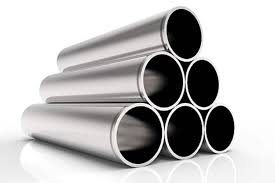
Alloy 20 pipes are widely used in industries where corrosion resistance is a priority. These pipes are made from a nickel-iron-chromium alloy with excellent resistance to acidic environments, making them highly valuable in industries like chemical processing, pharmaceuticals, and power generation. If you are looking for an alloy 20 pipe supplier, it is important to consider key factors such as product quality, certifications, and customer reviews. This blog will explore the applications of Alloy 20 pipes and how to choose the best supplier for your needs.
Applications of Alloy 20 Pipes
1. Chemical Processing Industry
Alloy 20 pipes are widely used in the chemical industry because they offer superior resistance to sulfuric acid and other corrosive chemicals. These pipes are often found in tanks, pipelines, and heat exchangers where strong acids are processed. Due to their corrosion resistance, they help prevent equipment failure and reduce maintenance costs.
2. Food and Beverage Industry
The food processing industry requires materials that do not react with food products. Alloy 20 pipes are ideal for handling food-grade acids and maintaining the purity of processed foods. They are used in pipelines that transport juices, dairy products, and other acidic substances without contamination.
3. Pharmaceutical Industry
In the pharmaceutical sector, maintaining a clean and sterile environment is critical. Alloy 20 pipes are used in manufacturing plants to transport liquids and chemicals that require a non-reactive material. Their smooth surface prevents bacterial buildup, ensuring product safety and compliance with industry standards.
4. Power Generation Plants
Power plants often deal with extreme temperatures and corrosive environments. Alloy 20 pipes are used in heat exchangers, boilers, and condensers where resistance to heat and corrosion is necessary. Their ability to withstand high pressures and varying temperatures makes them a preferred choice in this industry.
5. Marine and Offshore Industry
Seawater is highly corrosive, and traditional materials often degrade quickly in marine environments. Alloy 20 pipes offer excellent resistance to chloride-induced corrosion, making them suitable for offshore platforms, shipbuilding, and seawater desalination plants.
How to Find a Reliable Alloy 20 Pipe Supplier
Finding a trusted alloy 20 pipe supplier is essential to ensure the longevity and performance of your pipes. Here are some key factors to consider when choosing a supplier:
1. Check for Certifications
A reputable supplier should have industry certifications such as ISO, ASTM, or ASME. These certifications indicate that the supplier meets quality standards and follows industry best practices.
2. Verify Material Quality
Before purchasing, always verify the material specifications of the pipes. Ask for test reports and ensure the supplier provides products that meet the required standards. If you need an alloy 20 equivalent material, make sure the supplier offers a valid alternative that matches your project requirements.
3. Read Customer Reviews and Testimonials
Customer feedback is a good way to gauge the reliability of a supplier. Look for reviews from past buyers and check if they are satisfied with the product quality, delivery time, and customer service.
4. Compare Pricing and Availability
Price is an important factor, but it should not be the only consideration. Compare prices from different suppliers and check for additional services such as customization, fast delivery, and bulk order discounts.
5. Assess Technical Support and After-Sales Service
A good supplier should offer technical support and assistance in choosing the right pipe specifications. After-sales service is also important in case you need replacements or additional guidance after purchase.
Conclusion
Alloy 20 pipes are essential in industries that require corrosion-resistant materials. Their applications in chemical processing, pharmaceuticals, food industries, and marine sectors make them a valuable choice for many businesses. When looking for a trusted alloy 20 pipe supplier, always check for certifications, verify material quality, read customer reviews, and compare pricing. If you are considering an alloy 20 equivalent material, ensure it meets the necessary standards for your project. By following these steps, you can find a reliable supplier and ensure the success of your industrial applications.


